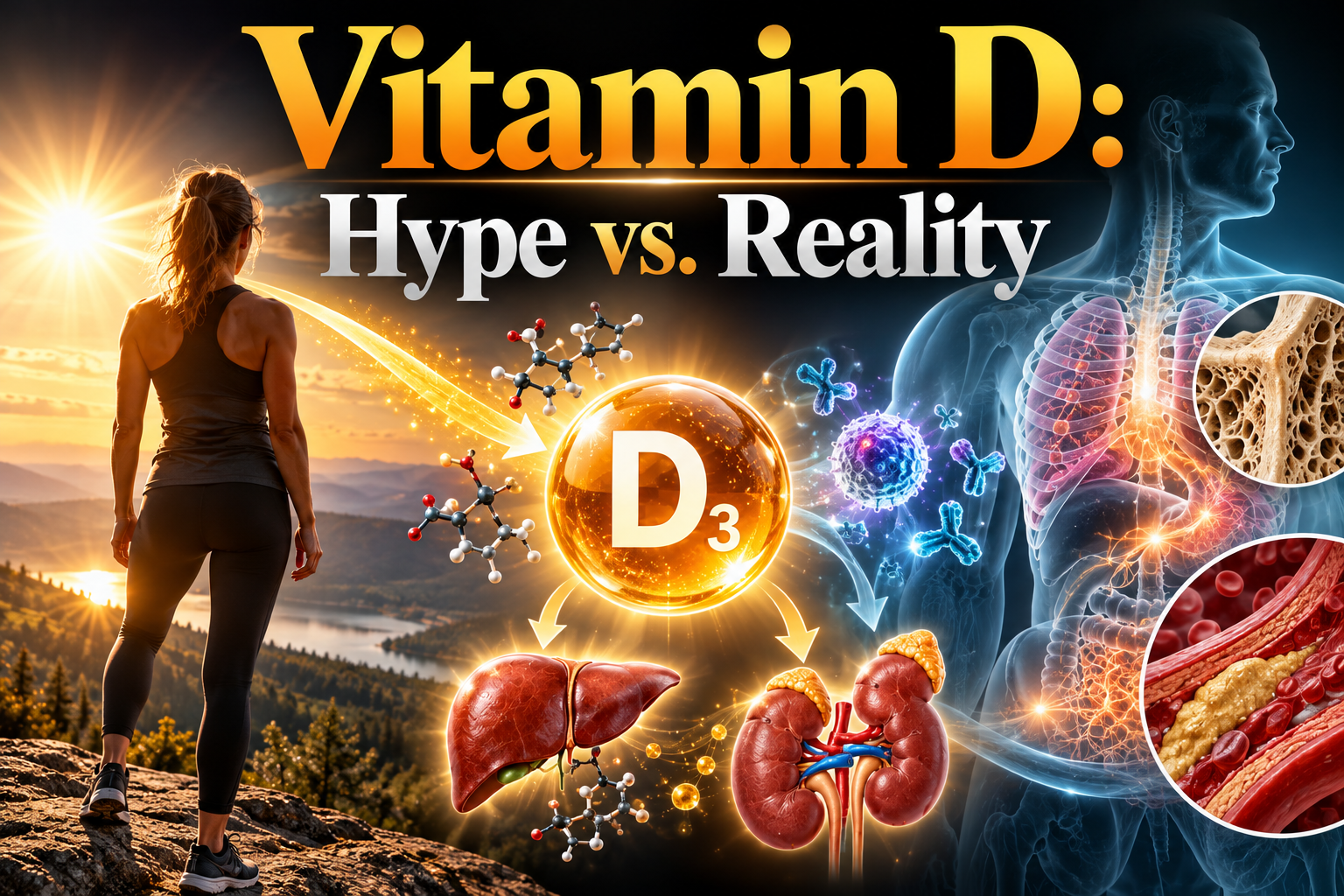
Vitamin D: Hype vs. Reality — What the Science Really Tells Us
Is higher vitamin D always better? A physician explains how vitamin D is made and activated, what your blood test measures, and what the research really shows
R2 Medical Clinic • 5 min read
Medically reviewed by Erik Natkin, DO — Founder, R2 Medical Clinic, Denver, Colorado
Last medically reviewed: October 2026
Vitamin D has become one of the most widely discussed nutrients in preventive, functional, and longevity medicine.
It has been promoted for nearly everything: stronger bones, improved immunity, reduced inflammation, increased testosterone, better metabolic health, cancer prevention, and even longer life.
Some of these claims are supported by compelling scientific research. Others are based on observational associations, biological theories, or studies that have not consistently demonstrated meaningful clinical benefits.
The controversy surrounding vitamin D is particularly interesting because conventional medicine and functional medicine often approach the subject differently.
Conventional recommendations generally emphasize preventing deficiency, maintaining skeletal health, and avoiding unnecessary supplementation.
Functional and integrative medicine frequently emphasize vitamin D’s broader biological activity, including immune regulation, cellular signaling, inflammation, and potential effects on biological aging.
These perspectives are not necessarily incompatible.
Vitamin D is essential for normal physiology, but the amount required to prevent deficiency-related disease may not necessarily be the concentration associated with every possible health outcome.
At the same time, demonstrating that vitamin D influences a biological process does not establish that increasing vitamin D concentrations will improve health.
The real question is not whether vitamin D is important. It is whether maintaining higher vitamin D concentrations produces meaningful health benefits—and, if so, what concentrations are actually optimal.
Answering that question requires understanding what vitamin D actually is, how the body produces and activates it, what we measure on a blood test, and an often-overlooked distinction:
The amount of vitamin D someone takes is not the same as the vitamin D concentration circulating in their blood—and neither is necessarily the same as the amount of active vitamin D hormone being produced. This is why appropriate bloodwork is essential.
What Exactly Is Vitamin D?
Despite its name, vitamin D is not a traditional vitamin.
It is a fat-soluble nutrient that also serves as the precursor to a biologically active steroid hormone.
Unlike most vitamins, which must primarily be obtained through diet, humans can synthesize vitamin D through a multistep pathway involving the skin, liver, and kidneys.
Understanding this pathway is important because taking vitamin D is only the beginning of the process.
The body must still absorb or produce it, transport it, metabolize it, activate it, and ultimately respond to it.
Problems anywhere along this pathway can affect vitamin D physiology.
Step 1: The Skin — Producing Vitamin D3
Vitamin D production can begin in the skin.
The skin naturally contains 7-dehydrocholesterol, a cholesterol-derived molecule.
When ultraviolet B (UVB) radiation from sunlight reaches the skin, it converts 7-dehydrocholesterol into previtamin D3.
Previtamin D3 then undergoes a temperature-dependent rearrangement to become:
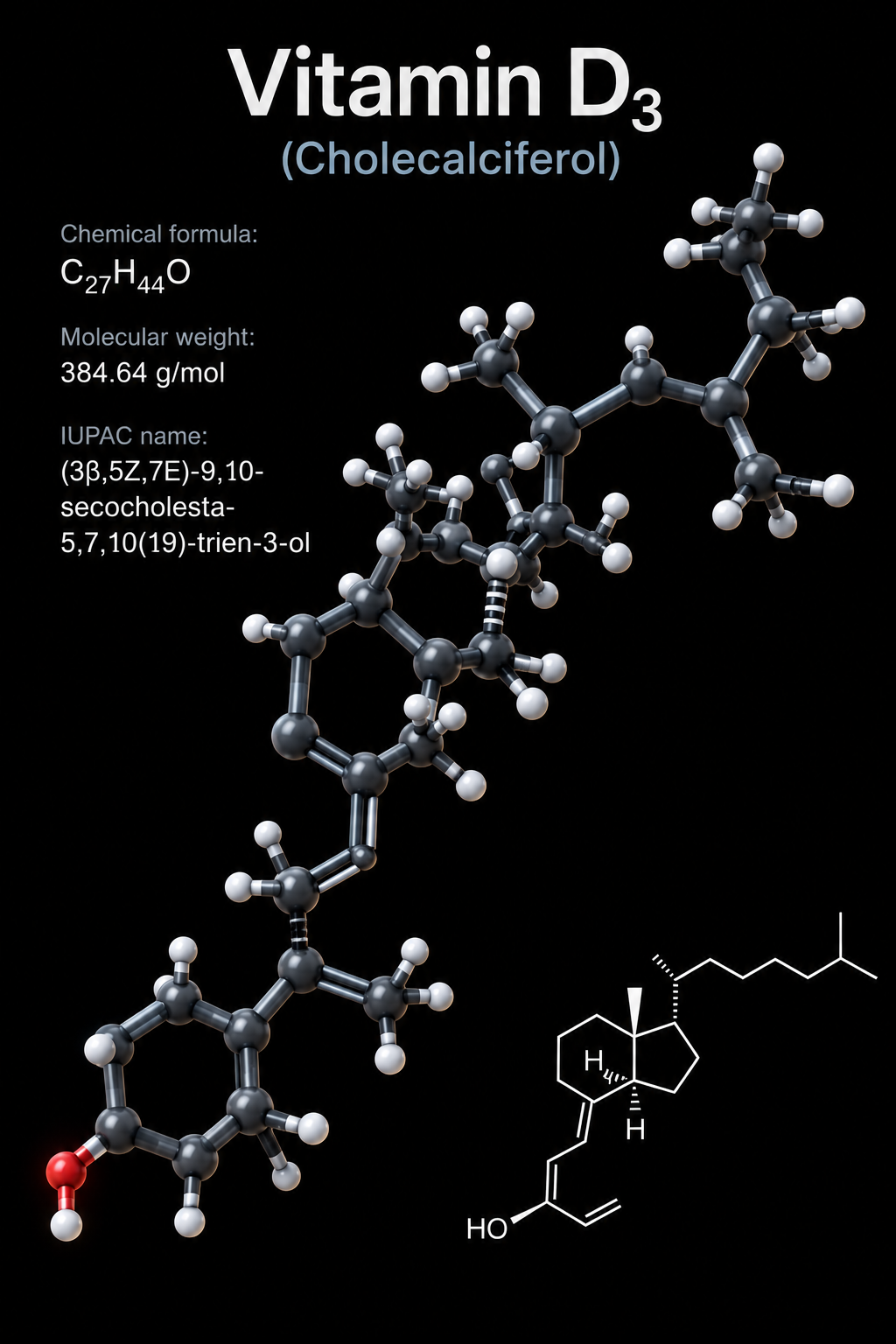
Vitamin D3, also called cholecalciferol. (same form D3 oral supplementation)
This is an important distinction.
Vitamin D3 is not the active vitamin D hormone.
It is a precursor that must undergo additional processing before becoming biologically active.
The amount of vitamin D3 produced by the skin can vary considerably depending on factors such as:
- Amount of UVB exposure
- Time of day
- Season
- Geographic latitude
- Skin pigmentation
- Age
- Clothing
- Sunscreen use
- Amount of skin exposed
Therefore, two people spending similar amounts of time outdoors may not necessarily produce identical amounts of vitamin D3.
Vitamin D3 Supplements Enter the Same Pathway
Vitamin D3 can also enter the body through food or supplementation.
Most commonly used vitamin D supplements contain cholecalciferol—the same vitamin D3 molecule produced following UVB exposure to the skin.
Another supplemental form, vitamin D2 or ergocalciferol, can also increase vitamin D status, although vitamin D3 generally produces a more sustained increase in circulating 25-hydroxyvitamin D.
Once absorbed through the gastrointestinal tract, supplemental vitamin D3 enters essentially the same metabolic pathway as vitamin D3 produced in the skin.
But swallowing vitamin D3 does not mean that the body has immediately received the active vitamin D hormone.
It has received the precursor.
That precursor still needs to be processed.
Step 2: The Liver — Producing the Vitamin D We Usually Measure
Vitamin D3 travels through the circulation to the liver, largely transported by vitamin D-binding protein.
In the liver, vitamin D3 undergoes hydroxylation, primarily involving the enzyme CYP2R1.
This produces:
25-hydroxyvitamin D [25(OH)D], also called calcidiol.
This is the major circulating form of vitamin D.
It is also the form generally measured when your physician orders a “vitamin D level.”
Therefore, if someone’s laboratory report says:
Vitamin D: 38 ng/mL
that number almost always refers to serum 25-hydroxyvitamin D, not vitamin D3 itself and not the active vitamin D hormone.
This distinction becomes very important when interpreting vitamin D research.
A supplement provides vitamin D3.
A conventional vitamin D blood test measures 25(OH)D.
Those are different molecules at different stages of the pathway.
Can Liver Problems Affect Vitamin D?
Yes.
Because the liver participates in converting vitamin D3 into 25(OH)D, significant liver dysfunction can interfere with normal vitamin D metabolism.
However, mild liver abnormalities do not necessarily prevent vitamin D activation. Clinically meaningful impairment of this conversion is more commonly associated with substantial liver disease.
Vitamin D status may also be affected by conditions that impair gastrointestinal absorption before vitamin D ever reaches the liver.
These can include certain disorders affecting intestinal or pancreatic function and other causes of fat malabsorption.
Step 3: The Kidneys — Producing Active Vitamin D
The process does not stop with 25-hydroxyvitamin D.
25(OH)D circulates to the kidneys, where it can undergo another hydroxylation step.
Primarily within the proximal renal tubules, the enzyme 1-alpha-hydroxylase (CYP27B1) converts 25(OH)D into:
1,25-dihydroxyvitamin D [1,25(OH)₂D], also called calcitriol.
Calcitriol is the biologically active hormonal form of vitamin D.
This is the molecule that binds to the vitamin D receptor and produces many of vitamin D’s downstream biological effects.
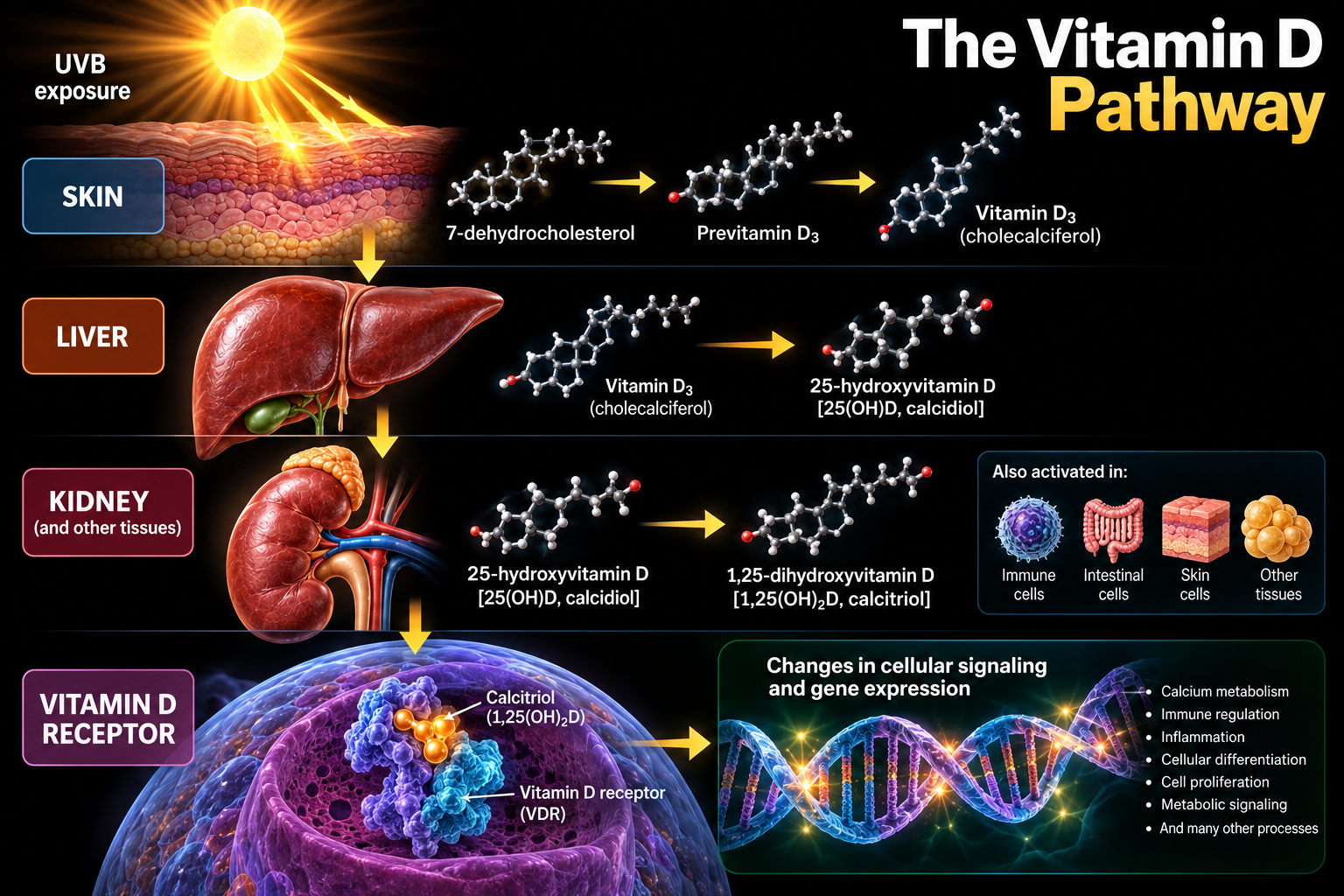
The pathway can therefore be summarized as:
UVB exposure
↓
Skin
7-dehydrocholesterol → previtamin D3 → vitamin D3 (cholecalciferol)
↓
Liver
vitamin D3 → 25-hydroxyvitamin D [25(OH)D, calcidiol]
↓
Kidney and certain other tissues
25(OH)D → 1,25-dihydroxyvitamin D [1,25(OH)₂D, calcitriol]
↓
Vitamin D receptor
↓
Changes in cellular signaling and gene expression
Taking Vitamin D3 Does Not Guarantee More Active Vitamin D
This is another important distinction.
Taking more vitamin D3 provides the body with additional precursor.
It does not necessarily guarantee a proportional increase in active calcitriol.
The body tightly regulates calcitriol production.
Important regulators include:
- Parathyroid hormone (PTH)
- Calcium
- Phosphate
- Fibroblast growth factor 23 (FGF23)
- Kidney function
This means the relationship between vitamin D3 intake, serum 25(OH)D, and active 1,25(OH)₂D is not simply linear.
Kidney disease provides a particularly important example.
As chronic kidney disease progresses, the kidneys may become less capable of converting 25(OH)D into calcitriol.
Changes in phosphate metabolism and increasing FGF23 can further suppress renal calcitriol production.
Therefore, a patient may have available 25(OH)D while still having impaired production of circulating active vitamin D hormone.
Likewise, significant liver dysfunction can interfere with the conversion of vitamin D3 into 25(OH)D before the vitamin D ever reaches the kidney activation step.
This reinforces an important concept:
Taking vitamin D3, increasing serum 25(OH)D, producing calcitriol, and ultimately activating vitamin D receptors are related events—but they are not the same biological event.
Vitamin D Activation Also Occurs Outside the Kidneys
The kidneys are the principal source of circulating calcitriol, but they are not the only tissues capable of activating vitamin D.
Several other cell types express CYP27B1 and can convert 25(OH)D into calcitriol locally.
These include certain:
- Immune cells
- Skin cells
- Intestinal cells
- Placental cells
- Other tissues
This local activation is particularly interesting because it may allow individual tissues to regulate vitamin D signaling for their own cellular functions.
That may help explain why vitamin D research has expanded far beyond calcium and bone metabolism into areas such as:
- Immune regulation
- Inflammation
- Cellular differentiation
- Metabolic signaling
- Autoimmune disease
- Cancer biology
- Cellular aging
Why Don’t We Usually Measure Active Vitamin D?
This raises an obvious question.
If calcitriol is the active hormone, why don’t we simply measure it instead of 25-hydroxyvitamin D?
Because circulating calcitriol is tightly regulated and does not reliably reflect the body’s vitamin D reserves or nutritional vitamin D status.
In fact, during vitamin D deficiency, calcitriol can remain normal or even become elevated.
As calcium absorption decreases, parathyroid hormone may increase.
PTH then stimulates renal 1-alpha-hydroxylase, increasing conversion of available 25(OH)D into calcitriol.
Therefore, someone can have significant vitamin D deficiency while maintaining a seemingly normal active vitamin D concentration.
For this reason, 25-hydroxyvitamin D is generally the preferred laboratory measurement for evaluating vitamin D status.
Measurement of 1,25-dihydroxyvitamin D is usually reserved for specific clinical situations involving abnormal calcium metabolism, kidney disease, granulomatous disorders, or abnormalities of vitamin D activation.
Vitamin D and Gene Regulation: Why Its Effects Extend Beyond Bones
Calcitriol produces many of its biological effects through the vitamin D receptor (VDR).
The VDR is a nuclear receptor expressed in numerous tissues throughout the body.
When calcitriol binds to the receptor, the resulting complex interacts with regulatory regions of DNA and influences gene transcription.
Vitamin D signaling participates in pathways involving:
- Calcium and phosphate metabolism
- Cellular differentiation
- Cell proliferation
- Immune regulation
- Inflammatory signaling
- Muscle physiology
- Cellular stress responses
This helps explain why vitamin D has attracted so much attention in preventive, functional, and longevity medicine.

However, there is an important distinction between biological activity and demonstrated clinical benefit.
The fact that vitamin D influences a biological pathway does not automatically mean that increasing vitamin D concentrations will improve health.
The effect may depend on baseline vitamin D status, genetics, underlying disease, receptor activity, other nutrients, and numerous additional physiological factors.
Vitamin D Dose Is Not the Same as Vitamin D Status
This brings us to one of the most important problems in vitamin D research.
Vitamin D studies are frequently described according to dose.
Researchers may compare participants receiving:
- 400 IU daily
- 2,000 IU daily
- 4,000 IU daily
- 10,000 IU daily
That variability may reflect:
- Baseline vitamin D concentration
- Gastrointestinal absorption
- Body weight and body composition
- Adipose tissue mass
- Genetics
- Vitamin D-binding protein
- Liver function
- Kidney function
- Medications
- Sun exposure
- Dietary intake
- Supplement adherence
- Seasonal variation
But dose is not the same thing as vitamin D status.
Two people taking exactly the same amount of vitamin D3 can develop substantially different serum 25-hydroxyvitamin D concentrations.
Genetic differences can also influence vitamin D synthesis, transport, metabolism, and signaling.
This means that:
5,000 IU in Patient A does not necessarily produce the same blood concentration—or physiological response—as 5,000 IU in Patient B.
Relevant genes include:
- DHCR7 — influences availability of vitamin D precursors
- CYP2R1 — participates in hepatic vitamin D hydroxylation
- GC — encodes vitamin D-binding protein
- CYP24A1 — participates in vitamin D breakdown
- VDR — encodes the vitamin D receptor
What Does the Dose-Response Research Show?
A randomized trial involving adults with obesity examined supplementation with:
- 1,000 IU vitamin D3 daily
- 5,000 IU daily
- 10,000 IU daily
After 21 weeks, the average increases in 25-hydroxyvitamin D were approximately:
| Daily Vitamin D3 | Average Increase in 25(OH)D |
|---|---|
| 1,000 IU | 12.4 ng/mL |
| 5,000 IU | 27.8 ng/mL |
| 10,000 IU | 48.1 ng/mL |
But there was considerable individual variation within each group.
In the 10,000 IU group, for example, the standard deviation of the increase was approximately 19.6 ng/mL.
In other words, knowing the dose did not allow researchers to precisely predict the blood concentration achieved by an individual participant.
This illustrates why simply asking:
“How much vitamin D are you taking?”
does not fully answer the more important clinical question:
“What vitamin D concentration does that dose produce in you?”
But there is another layer.
Even knowing someone’s 25(OH)D concentration does not necessarily tell us exactly how much active calcitriol is being produced locally within individual tissues or how strongly those tissues are responding through the vitamin D receptor.
Vitamin D physiology therefore exists along a continuum:
Dose → absorption → vitamin D3 → 25(OH)D → calcitriol → VDR signaling → biological response
Each step can vary between individuals.
Why This Matters When Interpreting Vitamin D Research
Suppose a clinical trial finds that 10,000 IU daily is associated with an adverse outcome.
It would be inappropriate to automatically conclude that a serum concentration of 60 ng/mL causes that outcome unless the achieved concentrations and their relationship with the outcome were specifically analyzed.
The reverse is also true.
If 2,000 IU daily reduces autoimmune disease incidence, that does not prove that 2,000 IU is the universally optimal dose.
Different participants may achieve very different serum concentrations from the same intervention.
However, achieved-concentration studies have limitations too.
Participants who naturally achieve higher vitamin D concentrations may differ in body composition, health status, outdoor activity, diet, genetics, or other factors that independently influence disease risk.
This is why the strongest vitamin D research should ideally consider:
Baseline vitamin D status + supplementation + achieved blood concentration + clinical outcome.
What Is the Optimal Vitamin D Concentration?
This remains one of the most controversial questions in vitamin D medicine.
Vitamin D status is generally evaluated using serum 25-hydroxyvitamin D.
In the United States, concentrations are usually reported in ng/mL.
International research frequently reports concentrations in nmol/L.
Confusing these units can dramatically change the interpretation of research.
The conversion is important:
1 ng/mL = 2.5 nmol/L
Therefore:
- 20 ng/mL = 50 nmol/L
- 30 ng/mL = 75 nmol/L
- 40 ng/mL = 100 nmol/L
- 50 ng/mL = 125 nmol/L
- 60 ng/mL = 150 nmol/L
- 100 ng/mL = 250 nmol/L
The Conventional Perspective: Approximately 20 ng/mL
The National Academies’ nutritional framework considers approximately 20 ng/mL sufficient for most healthy individuals.
Much of the evidence underlying this threshold involves:
- Calcium metabolism
- Bone mineralization
- Prevention of rickets
- Prevention of osteomalacia
But preventing deficiency-related bone disease is not necessarily the same thing as identifying the concentration associated with optimal immune, metabolic, or cellular function.
This distinction is one reason higher concentrations continue to be investigated.
The Integrative Perspective: Approximately 30–50 ng/mL
Many integrative clinicians favor concentrations between approximately 30 and 50 ng/mL.
Potential rationales include research involving:
- PTH regulation
- Immune function
- Bone metabolism
- Chronic disease associations
- Observational mortality data
However, there is no universally established threshold at which all of these biological processes become optimized.
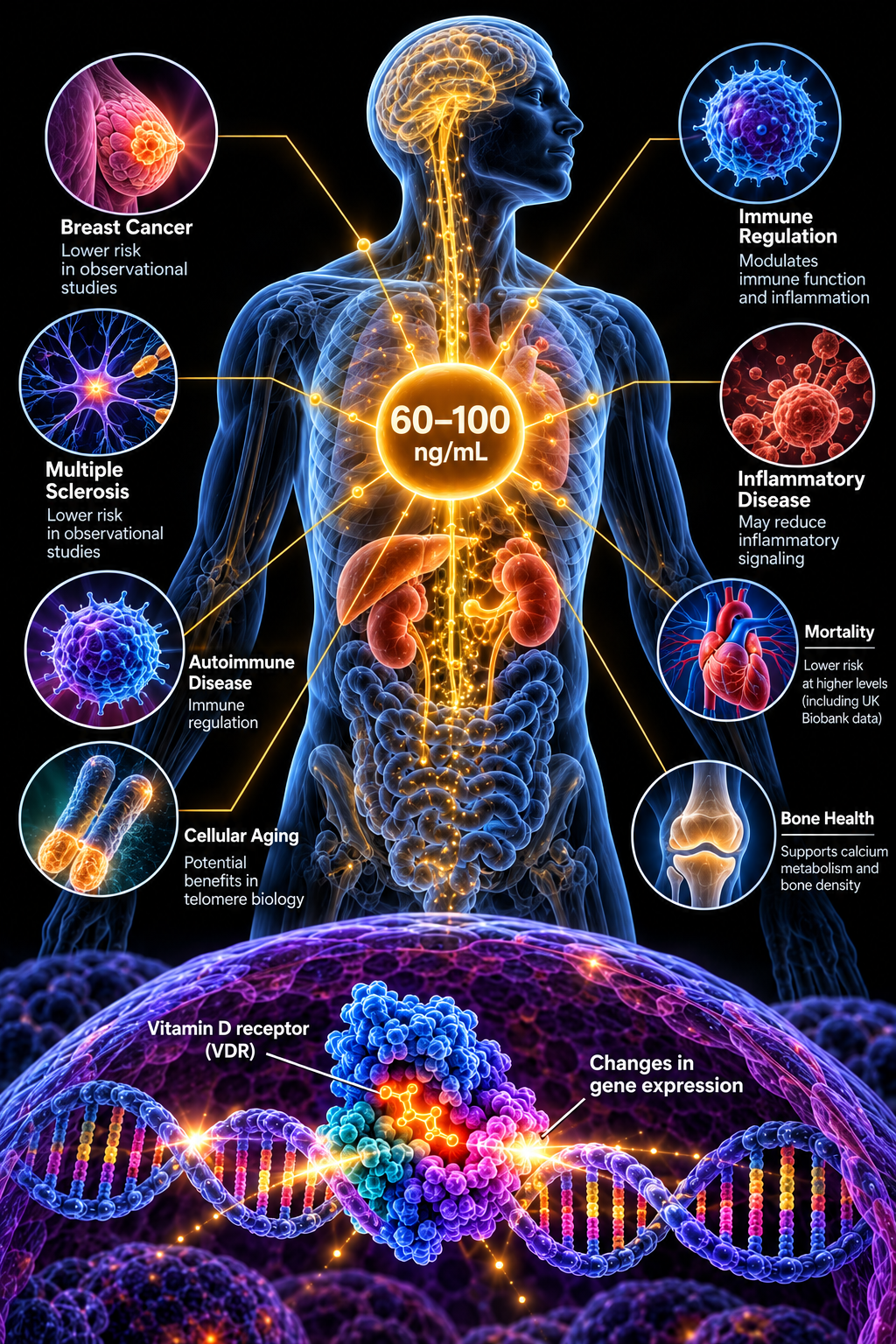
The Functional Medicine Perspective: 60–100 ng/mL
Some functional medicine practitioners recommend maintaining vitamin D concentrations between 60 and 100 ng/mL.
This position has been influenced by research involving:
- Breast cancer
- Multiple sclerosis
- Autoimmune disease
- Immune regulation
- Inflammatory disease
- Mortality
- Cellular aging
There is scientific evidence suggesting potential benefits from vitamin D concentrations above traditional deficiency thresholds.
But there is an important distinction:
Evidence supporting 40 ng/mL does not automatically support 60 ng/mL.
And evidence supporting 60 ng/mL certainly does not automatically establish that 100 ng/mL is better.
At present, there is insufficient evidence to establish 60–100 ng/mL as a universally optimal therapeutic range.
Vitamin D and Mortality: What Did the UK Biobank Research Find?
One of the most important investigations into vitamin D and mortality was published in Annals of Internal Medicine in 2022.
Researchers analyzed approximately 307,600 UK Biobank participants, including roughly 18,700 deaths during follow-up.
The researchers used nonlinear Mendelian randomization, using genetic variants associated with vitamin D concentrations to investigate whether low vitamin D may contribute causally to mortality rather than simply being associated with poorer health.
The relationship was nonlinear.
Mortality risk increased substantially at lower vitamin D concentrations.
The association was particularly pronounced below approximately:
50 nmol/L—or 20 ng/mL.
Associations were identified involving:
- All-cause mortality
- Cardiovascular mortality
- Cancer mortality
- Respiratory mortality
These findings provide evidence supporting the importance of avoiding significant vitamin D deficiency.
But they do not demonstrate that mortality continues declining as concentrations increase from 30 to 50 to 70 to 100 ng/mL.
This distinction is critical.
Evidence that low vitamin D is harmful is not automatically evidence that progressively higher vitamin D is progressively better.
Vitamin D and Cancer: Where Higher Concentrations Become Interesting
Some of the research supporting higher vitamin D concentrations comes from cancer epidemiology.
A particularly interesting 2018 analysis evaluated more than 5,000 women aged 55 and older.
Women with serum 25-hydroxyvitamin D concentrations of at least:
60 ng/mL
had approximately 80% lower observed breast cancer risk compared with women whose concentrations were below 20 ng/mL.
The adjusted hazard ratio was approximately 0.20.
That is a striking association and deserves attention.
Importantly, researchers examined measured vitamin D concentrations rather than simply supplement doses.
However, there were only 77 breast cancer cases, and participants were not randomized to maintain particular vitamin D concentrations.
Therefore, the study cannot establish that increasing someone’s vitamin D from 35 to 65 ng/mL will reduce her breast cancer risk by 80%.
Large randomized supplementation trials have also failed to demonstrate major reductions in overall cancer incidence.
The VITAL trial, involving more than 25,000 adults, did not demonstrate a statistically significant reduction in invasive cancer incidence with 2,000 IU vitamin D3 daily. Again, a study based on dose and not actual blood values.
Some secondary analyses and meta-analyses have suggested possible reductions in cancer mortality, but this remains an area of continuing investigation.
The takeaway: Higher vitamin D concentrations may be associated with lower risk of certain cancers, but maintaining 60 ng/mL or higher has not been proven to prevent cancer.
Vitamin D and Autoimmune Disease: One of the More Compelling Findings
Vitamin D has important immunoregulatory functions.
Vitamin D receptors and vitamin D-metabolizing enzymes are found within numerous immune cells, including:
- Macrophages
- Dendritic cells
- T lymphocytes
- B lymphocytes
Vitamin D signaling can influence cytokine production, immune-cell differentiation, antimicrobial responses, and inflammatory signaling.
The VITAL randomized trial provided particularly interesting clinical evidence.
Participants receiving vitamin D3 took 2,000 IU daily.
Over approximately 5.3 years:
- 123 participants receiving vitamin D developed confirmed autoimmune disease.
- 155 participants receiving placebo developed confirmed autoimmune disease.
This represented approximately a:
22% relative reduction in confirmed autoimmune disease incidence.
The takeaway: Vitamin D supplementation may influence autoimmune disease risk, but we still do not know what serum concentration provides the greatest benefit.
The absolute reduction was much smaller, but the finding remains clinically interesting because it came from randomized data.
Conditions included rheumatoid arthritis, polymyalgia rheumatica, autoimmune thyroid disease, and psoriasis.
However, the study tested a supplementation strategy.
It did not establish an optimal serum vitamin D concentration.
Vitamin D and Hashimoto’s Thyroiditis
Hashimoto’s thyroiditis is an autoimmune condition in which the immune system targets thyroid tissue.
A 2023 systematic review and meta-analysis of randomized trials involving more than 800 participants found that vitamin D supplementation was associated with reductions in:
- Thyroid peroxidase antibodies
- Thyroglobulin antibodies
Some thyroid function measurements also improved.
However, reduced antibody concentrations do not necessarily establish improvements in symptoms, long-term thyroid function, or medication requirements.
Vitamin D may influence autoimmune thyroid activity, but the clinical significance remains incompletely defined.
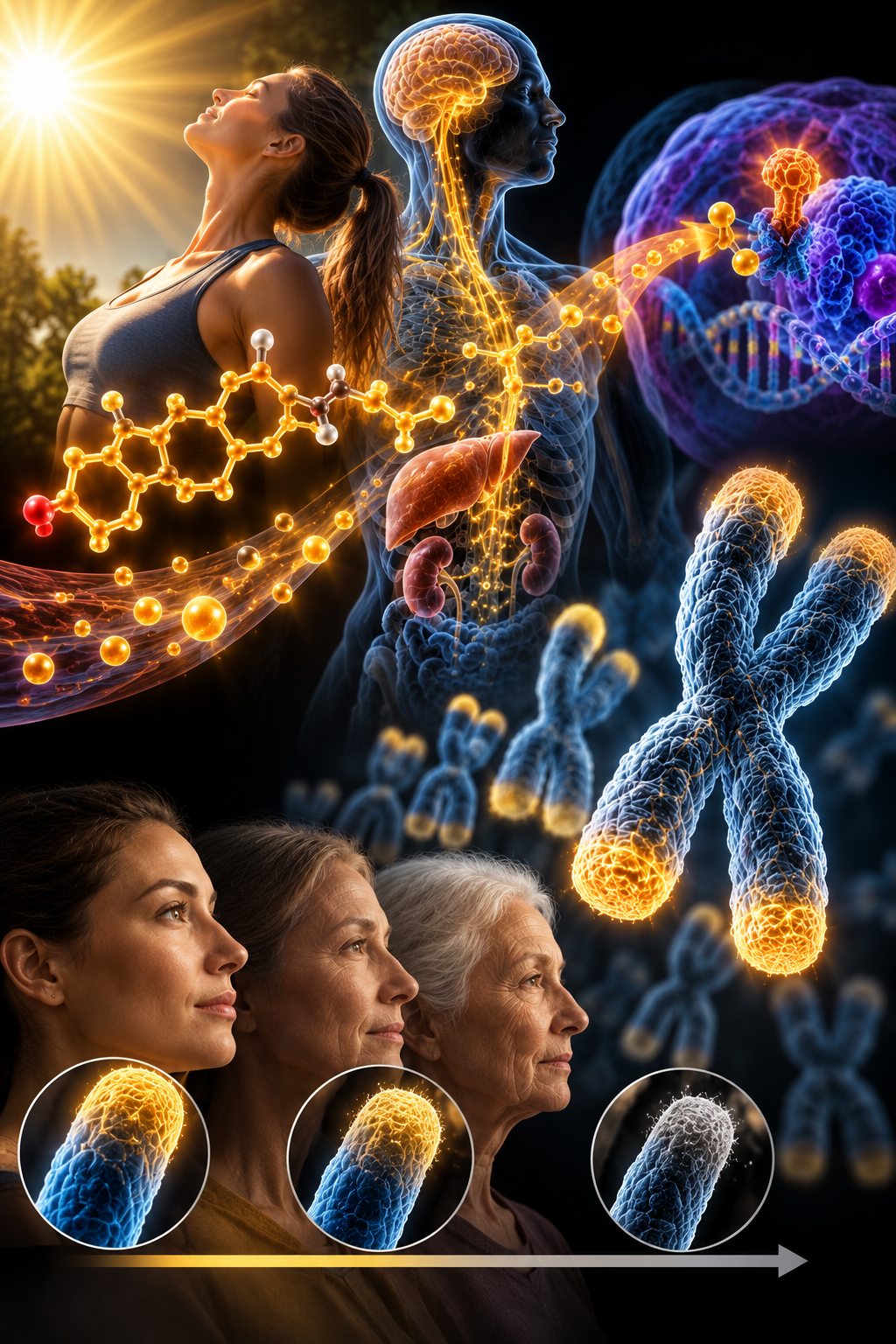
Vitamin D, Telomeres, and Biological Aging
One of the most intriguing recent developments involves telomere biology.
Vitamin D supplements may slow cellular aging
Telomeres are protective DNA-protein structures located at the ends of chromosomes.
They help maintain chromosome integrity.
As cells divide, telomeres generally become shorter.
Progressive telomere shortening is associated with cellular aging and can eventually contribute to cellular senescence.
However, telomere length represents only one component of biological aging.
It does not independently determine lifespan.
The 2025 VITAL Telomere Study
A randomized substudy of VITAL evaluated vitamin D supplementation and leukocyte telomere length.
Participants received 2,000 IU vitamin D3 daily or placebo.
Telomere length was measured at baseline, two years, and four years.
Vitamin D supplementation was associated with approximately:
140 base pairs less telomere shortening over four years.
This is particularly interesting because it suggests vitamin D may influence a biological process associated with cellular aging.
However, the study does not establish that vitamin D slows whole-body aging, improves healthspan, or extends lifespan.
It also does not tell us whether achieving 60 ng/mL provides greater telomere protection than achieving 30 or 40 ng/mL.
The takeaway: Vitamin D may influence telomere biology, but it has not been proven to slow human aging.
Vitamin D and Multiple Sclerosis
Vitamin D has one of its strongest epidemiological relationships with multiple sclerosis.
Higher vitamin D concentrations have repeatedly been associated with lower MS risk.
Some research suggests that concentrations above approximately 40 ng/mL are associated with substantially lower disease risk.
Vitamin D’s immunoregulatory activity provides biological plausibility for this relationship.
However, observational association does not establish that increasing vitamin D prevents MS.
Trials investigating vitamin D supplementation in patients with established multiple sclerosis have produced mixed results.
The evidence supports continued investigation but does not establish 60–100 ng/mL as a proven therapeutic target.
Vitamin D and Magnesium
Vitamin D does not function in isolation.
Its metabolism occurs within a larger network involving:
- Magnesium
- Calcium
- Phosphate
- Parathyroid hormone
- FGF23
- Vitamin K-dependent proteins
Magnesium participates in numerous enzymatic processes involved in vitamin D metabolism.
A randomized trial published in the American Journal of Clinical Nutrition demonstrated that magnesium supplementation influenced vitamin D metabolism differently depending on participants’ baseline vitamin D status.
Interestingly, magnesium did not simply raise vitamin D concentrations in everyone.
Its effects depended partly on the individual’s starting physiology.
This reinforces a broader theme:
Nutrient physiology is rarely as simple as adding more of a single nutrient.
Correcting magnesium deficiency may be important when present.
However, this does not mean everyone taking vitamin D requires magnesium supplementation.
What About Vitamin K2?
Vitamin K2 is frequently combined with vitamin D3, particularly in functional and integrative medicine.
There is a reasonable physiological basis for this combination. Vitamin D increases intestinal calcium absorption and influences proteins involved in bone metabolism. Vitamin K is required to activate, through a process called carboxylation, several proteins involved in determining how calcium is utilized within the body.
This has led to the common description that vitamin K2 helps “direct calcium into the bones and away from the arteries.” Although useful conceptually, this oversimplifies the physiology. K2 does not physically move calcium between tissues; rather, it helps activate proteins involved in regulating calcium deposition.
Two of the most important are:
- Osteocalcin, which participates in bone mineralization.
- Matrix Gla protein (MGP), which helps regulate inappropriate calcium deposition within blood vessels and other soft tissues.
Some studies suggest that vitamin K2 may improve markers of bone metabolism and potentially influence vascular calcification, but evidence demonstrating reductions in fractures or cardiovascular events remains limited.
Does K2 Improve Vitamin D Absorption?
Vitamin K2 is also sometimes claimed to improve the absorption or increase the blood concentration of vitamin D3.
At present, there is not strong clinical evidence demonstrating that K2 directly increases gastrointestinal absorption of vitamin D3 or reliably raises serum 25-hydroxyvitamin D concentrations.
Clinically, however, I have observed some patients achieve higher 25-hydroxyvitamin D concentrations after changing from vitamin D3 alone to a D3/K2 combination despite otherwise similar supplementation.
That observation is interesting, but it should be recognized for what it is: a clinical observation rather than established evidence of improved vitamin D absorption.
There could also be other explanations, including differences in supplement formulation, absorption, adherence, dietary intake, seasonal sun exposure, or normal biological variability.
For now, the stronger scientific rationale for combining vitamin D3 and K2 involves their complementary roles in calcium and bone metabolism, rather than evidence that K2 directly improves vitamin D3 absorption.
As with vitamin D itself, this is an area where biological plausibility and clinical experience continue to generate questions that have not yet been fully answered by clinical trials.
Vitamin D and Metabolic Health
Vitamin D receptors are present in tissues involved in glucose metabolism.
Researchers have investigated possible relationships involving:
- Insulin secretion
- Insulin sensitivity
- Inflammation
- Type 2 diabetes
Observational studies frequently identify lower vitamin D concentrations in people with obesity, insulin resistance, and diabetes.
However, obesity itself influences vitamin D distribution and circulating concentrations.
Therefore, low vitamin D does not necessarily cause obesity or insulin resistance.
The D2d randomized trial evaluated 4,000 IU vitamin D daily in adults with prediabetes.
The primary analysis did not demonstrate a statistically significant reduction in progression to diabetes.
Subsequent pooled analyses suggest vitamin D may modestly reduce diabetes progression in selected individuals with prediabetes.
Vitamin D may therefore play a supporting role in metabolic health, but it is not a substitute for exercise, nutrition, appropriate weight management, and other established interventions.
Vitamin D and Testosterone
Vitamin D’s hormone-like activity has generated considerable interest in testosterone optimization.
Some observational studies have found associations between lower vitamin D and lower testosterone concentrations.
Vitamin D receptors and vitamin D-metabolizing enzymes are also present within reproductive tissues.
However, randomized clinical trials have not consistently demonstrated meaningful increases in testosterone following vitamin D supplementation.
Correcting significant vitamin D deficiency may support normal physiology.
But vitamin D should not be considered an established treatment for testosterone deficiency.
Vitamin D and Cardiovascular Disease
Observational research has repeatedly associated lower vitamin D concentrations with greater cardiovascular risk.
Potential mechanisms involve:
- Inflammation
- Vascular function
- Blood pressure regulation
- Renin-angiotensin signaling
However, randomized supplementation trials have not consistently demonstrated reductions in cardiovascular events.
The VITAL trial did not show a significant reduction in major cardiovascular events with 2,000 IU vitamin D3 daily.
Again, this demonstrates why supplementation dose and vitamin D concentration should not automatically be treated as equivalent.
The study tells us what happened with that supplementation strategy in that population.
It does not establish that every serum vitamin D concentration has the same cardiovascular effect.
But there is also insufficient evidence that maintaining 60–100 ng/mL prevents cardiovascular disease.
Could Higher Vitamin D Concentrations Be Harmful?
Possibly.
Vitamin D toxicity is usually associated with excessive supplementation leading to hypercalcemia.
Severe toxicity generally occurs at substantially elevated serum 25-hydroxyvitamin D concentrations, often above approximately 150 ng/mL.
But toxicity and optimal physiology are not the same thing.
A concentration can be below the classical toxicity threshold without necessarily being beneficial.
There are three different questions:
Is the concentration sufficient?
Is the concentration optimal?
Is the concentration toxic?
These should not be confused.
The High-Dose Vitamin D Bone Density Trial
A randomized trial published in JAMA evaluated 311 healthy adults over three years.
Participants received:
- 400 IU daily
- 4,000 IU daily
- 10,000 IU daily
Higher-dose supplementation did not improve bone strength.
Instead, the higher-dose groups experienced greater reductions in volumetric bone mineral density.
But the blood concentrations are particularly relevant.
The study therefore raises legitimate concerns about chronic high-dose vitamin D supplementation.
However, participants were randomized according to dose rather than blood concentration.
By three years, average 25(OH)D concentrations were approximately:
- 31 ng/mL with 400 IU
- 53 ng/mL with 4,000 IU
- 58 ng/mL with 10,000 IU
The 10,000 IU group reached substantially higher concentrations earlier in the trial, averaging approximately 80 ng/mL around 18 months.
It does not prove that maintaining exactly 53, 58, or 80 ng/mL causes bone loss.
Likewise, it cannot be ignored when claiming that higher vitamin D concentrations are universally beneficial.
How Should Vitamin D Be Evaluated Clinically?
When vitamin D testing is clinically appropriate, the primary measurement is:
25-hydroxyvitamin D [25(OH)D].
These measurements can provide additional information about vitamin D and mineral metabolism.
Measurement of active 1,25-dihydroxyvitamin D is generally reserved for specific clinical circumstances rather than routine vitamin D assessment.
Depending on the circumstances, additional laboratory evaluation may include:
- Calcium
- Albumin
- Phosphate
- Parathyroid hormone
- Kidney function
- Magnesium
- Urinary calcium in selected patients
Treating Deficiency Is Not the Same as Optimizing Vitamin D
Consider three patients.
This patient has significant vitamin D deficiency.
Correcting the deficiency is supported by established physiology and clinical evidence.
This patient falls into a more controversial area.
Whether increasing the concentration provides additional benefit may depend on bone health, metabolic health, autoimmune disease, body composition, diet, sun exposure, and other individual factors.
This patient wants to increase the concentration to 75 ng/mL for longevity.
There are observational studies and mechanistic arguments that make higher vitamin D concentrations scientifically interesting.
However, we do not currently have convincing evidence that increasing this person’s concentration from 38 to 75 ng/mL will extend lifespan, prevent cancer, or improve healthspan.
That distinction matters.
Individualized medicine does not mean automatically pursuing higher laboratory values. It means determining whether changing that value is likely to improve a meaningful clinical outcome for that individual.
Frequently Asked Questions About Vitamin D
What is vitamin D3?
Vitamin D3 is cholecalciferol.
It is the form produced in the skin following UVB exposure and the form commonly found in vitamin D supplements.
Vitamin D3 is a precursor. It is not the active vitamin D hormone.
What does a standard vitamin D blood test measure?
It usually measures 25-hydroxyvitamin D [25(OH)D], also called calcidiol.
This is the major circulating form used to assess vitamin D status.
What is active vitamin D?
The biologically active hormone is 1,25-dihydroxyvitamin D [1,25(OH)₂D], also called calcitriol.
It is produced primarily in the kidneys and locally in certain other tissues.
Does taking vitamin D3 automatically increase active vitamin D?
Not necessarily.
Vitamin D3 must first be converted in the liver to 25(OH)D and then converted primarily in the kidneys to calcitriol.
These processes are regulated and can be affected by liver function, kidney function, PTH, calcium, phosphate, FGF23, and other physiological factors.
Why don’t we normally measure calcitriol?
Because calcitriol is tightly regulated and does not reliably reflect vitamin D nutritional status.
Someone can have low 25(OH)D while maintaining normal or even elevated calcitriol.
Does the same dose produce the same vitamin D level in everyone?
No.
Absorption, body composition, genetics, baseline vitamin D status, metabolism, medications, and other factors can substantially alter the response.
Is 20 ng/mL enough?
Approximately 20 ng/mL is considered sufficient for most healthy individuals based largely on established skeletal-health evidence.
Whether higher concentrations provide additional extraskeletal benefits remains an area of active research.
Why do some functional medicine physicians recommend 60–100 ng/mL?
These recommendations have been influenced by observational studies involving cancer, multiple sclerosis, immune function, autoimmune disease, and other outcomes.
However, there is insufficient evidence demonstrating that maintaining 60–100 ng/mL universally improves clinical outcomes.
Is 70 ng/mL toxic?
Not necessarily.
Classical vitamin D toxicity generally occurs at considerably higher concentrations and typically involves hypercalcemia.
But being below the toxicity threshold does not establish that 70 ng/mL is optimal.
Does vitamin D reduce mortality?
Significant vitamin D deficiency is associated with increased mortality, and UK Biobank genetic analyses support a potentially causal relationship at low concentrations.
However, those findings do not demonstrate that maintaining 60–100 ng/mL improves survival.
Can vitamin D reduce autoimmune disease?
The VITAL trial found approximately a 22% relative reduction in confirmed autoimmune disease among participants randomized to vitamin D supplementation.
The optimal serum concentration for this potential benefit remains unknown.
Can vitamin D slow aging?
A 2025 VITAL substudy found less leukocyte telomere shortening among participants receiving vitamin D3.
This is scientifically interesting but does not prove that vitamin D slows whole-body aging or extends lifespan.
The Bottom Line: Vitamin D Is More Complicated Than a Dose or a Number
Vitamin D is far more than simply a vitamin for bone health.
It participates in calcium metabolism, immune regulation, gene expression, cellular signaling, and numerous other biological processes.
Emerging research involving autoimmune disease, cancer, metabolic health, mortality, and telomere biology suggests that vitamin D deserves continued investigation beyond traditional skeletal health.
But vitamin D physiology is also more complicated than simply taking a supplement.
The pathway begins with vitamin D3 produced in the skin or obtained through supplementation.
That vitamin D3 must be absorbed and transported.
The liver converts it into 25-hydroxyvitamin D.
The kidneys and certain other tissues can then convert 25(OH)D into active calcitriol.
Calcitriol must subsequently interact with the vitamin D receptor to influence cellular activity.
Therefore:
Dose is not the same as blood concentration.
Blood concentration is not the same as active hormone production.
Active hormone production is not necessarily the same as biological response.
And most importantly:
Correcting deficiency is not necessarily the same thing as optimizing physiology.
The evidence strongly supports avoiding significant vitamin D deficiency.
There are also legitimate scientific reasons to investigate whether concentrations above traditional adequacy thresholds provide additional benefits for selected individuals or health conditions.
But the evidence becomes progressively less certain when universal targets of 60–100 ng/mL are recommended.
The goal should therefore not simply be to take more vitamin D or achieve the highest laboratory number possible.
The better question is:
What vitamin D status is appropriate for this individual, why are we trying to change it, and is there evidence that doing so improves the health outcome we actually care about?
A More Comprehensive Approach at R2 Medical Clinic
At R2 Medical Clinic in Denver, Colorado, we believe preventive, integrative, and longevity medicine should combine an understanding of human physiology with careful interpretation of scientific research.
Vitamin D illustrates why this approach matters.
A supplementation dose does not necessarily predict an individual’s blood concentration, and a blood concentration does not necessarily tell us the entire story about vitamin D activation or cellular response.
Our approach emphasizes individualized evaluation, appropriate laboratory testing, hormone and metabolic health, nutritional considerations, and evidence-informed treatment strategies.
Rather than relying solely on universal supplementation doses or arbitrary laboratory targets, we focus on understanding each patient’s physiology and determining whether an intervention is likely to improve meaningful health outcomes.
Optimal health is not simply about achieving higher numbers. It is about understanding what those numbers mean within the larger physiology of the individual patient.
References
- National Institutes of Health, Office of Dietary Supplements. Vitamin D: Fact Sheet for Health Professionals.
- Sutherland JP, Zhou A, Hyppönen E. Vitamin D Deficiency Increases Mortality Risk in the UK Biobank: A Nonlinear Mendelian Randomization Study. Annals of Internal Medicine. 2022;175:1552–1559.
- McDonnell SL, et al. Breast Cancer Risk Markedly Lower With Serum 25-Hydroxyvitamin D Concentrations ≥60 vs <20 ng/mL: Pooled Analysis of Two Randomized Trials and a Prospective Cohort. PLOS ONE. 2018;13:e0199265.
- Hahn J, et al. Vitamin D and Marine Omega-3 Fatty Acid Supplementation and Incident Autoimmune Disease: VITAL Randomized Controlled Trial. BMJ. 2022;376:e066452.
- Zhu H, et al. Vitamin D3 and Marine Omega-3 Fatty Acids Supplementation and Leukocyte Telomere Length: Four-Year Findings From the VITAL Randomized Controlled Trial. American Journal of Clinical Nutrition. 2025.
- 25-Hydroxyvitamin D Response to Graded Vitamin D3 Supplementation Among Obese Adults. Journal of Clinical Endocrinology & Metabolism. 2013.
- Sollid ST, et al. Large Individual Differences in Serum 25-Hydroxyvitamin D Response to Vitamin D Supplementation: Effects of Genetic Factors, Body Mass Index, and Baseline Concentration. Hormone and Metabolic Research. 2016;48:27–34.
- Dai Q, et al. Magnesium Status and Supplementation Influence Vitamin D Status and Metabolism: Results From a Randomized Trial. American Journal of Clinical Nutrition. 2018;108:1249–1258.
- Burt LA, et al. Effect of High-Dose Vitamin D Supplementation on Volumetric Bone Density and Bone Strength: A Randomized Clinical Trial. JAMA. 2019;322:736–745.
- Manson JE, et al. Vitamin D Supplements and Prevention of Cancer and Cardiovascular Disease. New England Journal of Medicine. 2019;380:33–44.
- Pittas AG, et al. Vitamin D Supplementation and Prevention of Type 2 Diabetes. New England Journal of Medicine. 2019;381:520–530.
- Demay MB, et al. Vitamin D for the Prevention of Disease: An Endocrine Society Clinical Practice Guideline. Journal of Clinical Endocrinology & Metabolism. 2024.
Medically reviewed by Erik Natkin, DO
Founder & Medical Director
R2 Medical Clinic
This information is for educational purposes only and should not replace professional medical advice. Consult with a qualified healthcare provider before starting any treatment.
Reviewed 10/08/2026