The Ins and Outs of TRT for Men: Benefits Explained
Testosterone replacement therapy benefits men with low T in multiple ways — more energy, better muscle tone, improved mood. R2 Medical Clinic in Denver
R2 Medical Clinic • 7 min read

As men age, they might experience symptoms such as fatigue, loss of energy, weight gain, decreased libido, and more. These could be signs of low testosterone, a condition that affects about 4 out of 10 men over the age of 45. Testosterone is the primary male hormone responsible for an array of physiological functions, including reproductive health, regulation of mood and sleep patterns, cognitive functions, cardiovascular health, and more. A deficiency in this critical hormone may not only impact your day-to-day life but also your long-term health.
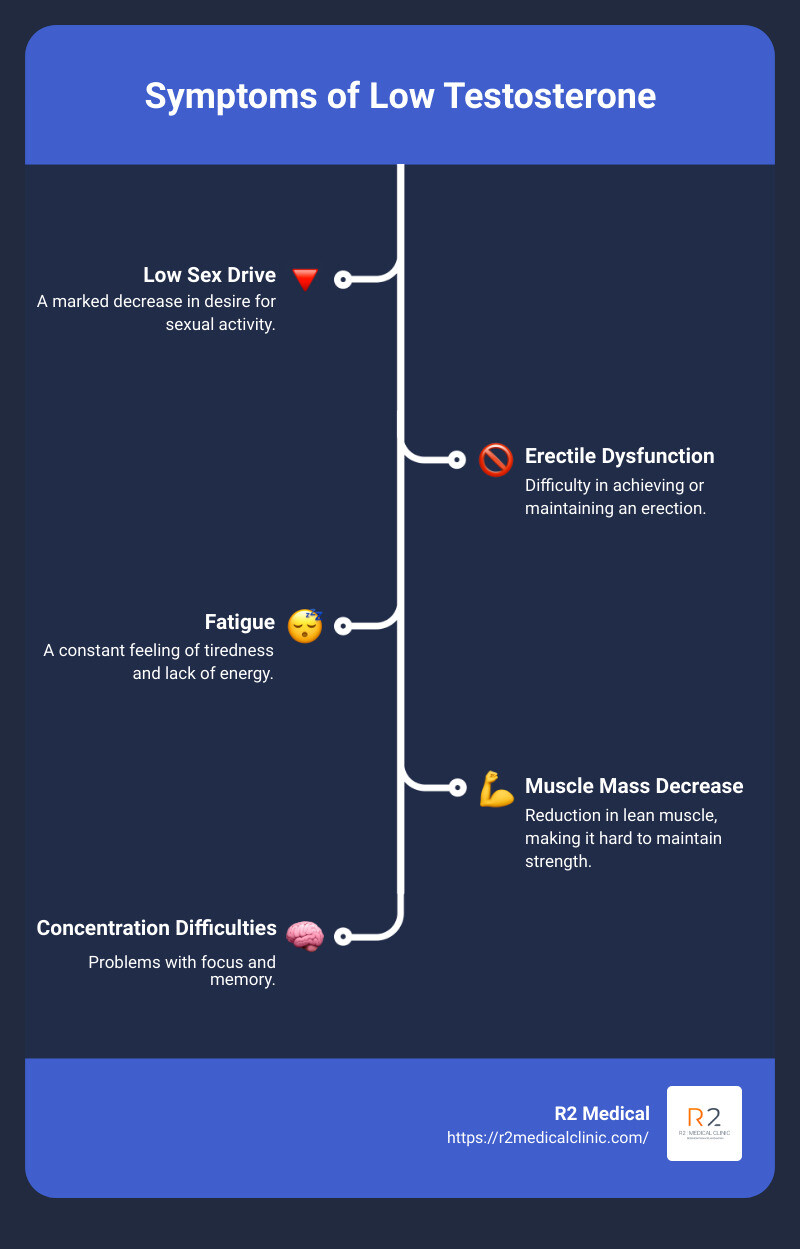
Key Symptoms of Low Testosterone: - Low sex drive - Erectile dysfunction - Fatigue and poor energy level - Decrease in lean muscle mass - Difficulty concentrating - Irritability - Increase in body fat
At R2 Medical, we recognize that understanding these symptoms and learning about treatment options might seem overwhelming. We are committed to demystifying this process and providing you with all the information you need about Testosterone Replacement Therapy (TRT)—a potential solution to low testosterone. We'll dive into the science behind TRT, explore its potential benefits and risks, and help you understand if it's the right path for you. So, join us as we navigate the ins and outs of TRT for men, simplifying complex topics, and guiding you towards a better understanding of your health.
The Science Behind TRT: How It Works and Who It's For
Testosterone Replacement Therapy (TRT) is a treatment option designed to restore the natural balance of testosterone - the primary male hormone responsible for many physiological functions, including mood regulation, sex drive, and bone density. But how does TRT work? And who qualifies for it? Let's take a closer look.
The Process of Diagnosing Testosterone Deficiency
The journey to TRT starts with a diagnosis of testosterone deficiency. This condition, commonly referred to as Low T, is typically diagnosed through blood tests. A reading below 300 ng/dL may indicate a deficiency. Symptoms such as decreased sex drive, difficulty maintaining an erection, mood swings, and increased body fat, can also signal Low T.
At R2 Medical Clinic, we emphasize a comprehensive approach to diagnosis. We take into account both your testosterone levels and your symptoms to determine if you have Low T. If diagnosed, you may become a candidate for TRT.
The Different Forms of TRT and How They Are Administered
If you qualify for TRT, there are several ways to administer the therapy. These include:
- Patches and Gels: These are applied to the skin daily. They are convenient but may cause skin rashes or accidental transfer of testosterone to others.
- Buccal Patch: This is placed on the upper gum twice a day. It's convenient but may lead to gum irritation.
- Injections: These are given every 2 to 10 weeks. They're inexpensive but may cause fluctuating testosterone levels.
- Subcutaneous Pellets: These are inserted under the skin every 3 to 6 months. They're convenient once in place but require minor surgery for each dose.
At R2 Medical Clinic, we'll work with you to choose the most suitable delivery method, considering your lifestyle and preferences.
Addressing Common Questions: Is TRT a Steroid? Can You Stop Once You Start?
Many people wonder if TRT is a steroid. While testosterone is technically a steroid hormone, TRT differs from anabolic steroids used for bodybuilding. TRT aims to restore normal testosterone levels, not exceed them.
Another common question is whether you can stop TRT once you start. TRT is typically a long-term treatment. If you stop treatment, your testosterone levels may drop, and symptoms may return. That's why it's crucial to discuss the commitment involved with your healthcare provider before starting TRT.
Testosterone Replacement Therapy is a powerful tool in managing the symptoms of Low T. As with any treatment, understanding the science behind it and its implications is vital. At R2 Medical Clinic, we're committed to guiding you through every step, ensuring you're informed and confident in your health decisions.
The Potential Benefits and Risks of TRT
As we delve deeper into the topic of TRT for men, it's crucial to understand both the benefits and risks associated with this treatment.
The Positive Effects of TRT: Energy Levels, Sex Drive, and More
Often, when men are considering TRT, they want to know how it will improve their quality of life. Testosterone has a complex impact on the body, influencing a vast array of bodily processes.
One of the most reported benefits of TRT is an improvement in energy levels. Many men undergoing this therapy report feeling more energetic and less fatigued. This increased vitality can significantly improve everyday living and overall well-being.
Sexual health is another area that often sees improvement with TRT. An enhanced sex drive and better erectile function are commonly reported benefits. In fact, TRT has shown a significant reduction in penile venous leakage, a common cause of erectile dysfunction in older males.
Moreover, TRT can have positive effects on muscle mass and body composition. This therapy helps regulate the body's fat composition and its ability to build muscle. This can lead to an increase in mean muscle strength and a decrease in fat mass.
Improved memory and mood are additional benefits associated with TRT. Higher levels of testosterone have been linked to a reduced risk of Alzheimer's disease and better spatial memory abilities. Additionally, it can lead to reduced anxiety and a better overall mood.
The Risks and Side Effects Associated with TRT
While the benefits of TRT can be significant, it's also important to be aware of potential risks and side effects. Most common side effects include skin issues such as rash, itching, or irritation where the testosterone is applied.
There are also several health conditions that can be worsened by TRT. These include benign prostatic hypertrophy (BPH), prostate cancer, sleep apnea, and blood clots.
Additionally, long-term use of TRT might be associated with an increased risk of heart attack or stroke. Therefore, discuss these risks with your healthcare provider before starting TRT.
The Long-Term Implications of TRT: What We Know and What We Don't
The long-term effects of TRT are not fully understood due to the lack of extensive studies. Some research suggests TRT may lower heart risk, while others suggest it might increase the risk.
The long-term effects of TRT on prostate cancer also need more research. While current studies have found no increase in prostate cancer risk among men who take testosterone compared to men who don't, more research is needed.
In conclusion, TRT can bring about significant changes in a man's life, improving energy levels, sex drive, muscle mass, and mental health. However, it also carries potential risks, which should be thoroughly discussed with your healthcare provider. At R2 Medical Clinic, we're committed to providing you with a comprehensive understanding of TRT, helping you make an informed decision about your health.
Making the Decision: Is TRT Right for You?
Making an informed decision about testosterone replacement therapy (TRT) involves understanding its potential benefits and risks, evaluating other health factors, and considering the alternatives.
The Importance of Personalized Treatment Plans in Hormone Therapy
Every individual has unique health needs and the same applies when considering TRT. At R2 Medical Clinic, we believe in the importance of personalized medicine in hormone therapy. Each patient's treatment plan may involve different methods, dosages, and follow-up based on their unique needs and response to therapy. An accurate assessment of your hormone levels, overall health, lifestyle, and specific symptoms plays a crucial role in creating a personalized treatment plan.
Alternatives to TRT: Natural Methods and Lifestyle Changes
Before resorting to hormone replacement therapy, it's worthwhile to explore natural methods and lifestyle changes that can help boost testosterone levels. This includes maintaining a balanced, nutritious diet, engaging in regular exercise, getting adequate sleep, and managing stress levels. In some cases, these lifestyle modifications can significantly improve symptoms associated with low testosterone.
Conclusion: Setting Realistic Expectations for TRT and Its Impact on Men's Health
TRT for men offers the potential to improve various symptoms of low testosterone, such as fatigue, decreased libido, and loss of muscle mass. However, it's crucial to have realistic expectations. TRT is not a fountain of youth or a quick fix. It's a treatment aimed at restoring hormone levels and improving quality of life.
Moreover, remember that TRT comes with potential risks and side effects, and it may not be suitable for everyone. Regular follow-ups with your healthcare provider to monitor your progress and adjust your treatment plan as needed are paramount to ensure the therapy's safety and effectiveness.
We at R2 Medical Clinic are committed to helping you navigate this decision with all the information and support you need. Our team of experts is here to guide you every step of the way, from initial assessment to personalized treatment plans and ongoing care.

For more information on TRT and other services we offer, visit our website.