TRT Before and After: Real Life Transformations and Results
TRT before and after: a physician-grade timeline of what testosterone replacement therapy changes — energy, body composition, libido, and mood.
R2 Medical Clinic • 9 min read

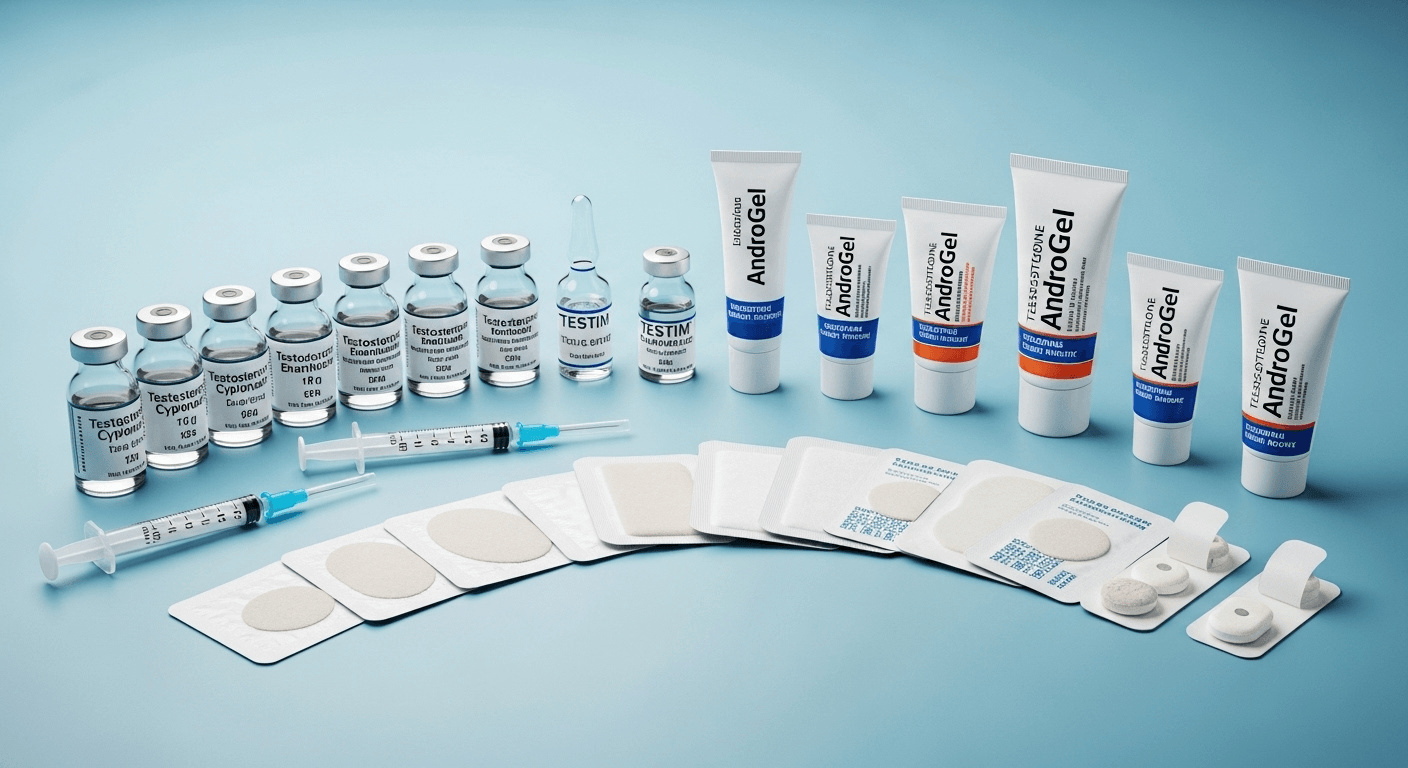
Testosterone replacement therapy (TRT) produces remarkable transformations that extend far beyond laboratory numbers. Real patients experience life-changing improvements in energy, body composition, mental clarity, and overall quality of life that often exceed their initial expectations.
Clinical studies demonstrate consistent patterns in TRT outcomes: 85% of patients report significant energy improvements within 3-6 months, while 78% achieve meaningful body composition changes including increased muscle mass and reduced body fat. These transformations typically accelerate between months 3-12 as testosterone levels stabilize and the body adapts to optimized hormone levels.
This comprehensive guide examines real-world TRT results, transformation timelines, and what patients actually experience during their testosterone replacement journey. Understanding these realistic outcomes helps set proper expectations and maximize treatment success.
Medical Disclaimer: This information serves educational purposes only and does not constitute medical advice. TRT results vary among individuals and require professional medical supervision. Consult with a qualified healthcare provider before beginning testosterone replacement therapy.
Understanding TRT Transformation Timeline
TRT results follow predictable patterns, though individual response varies based on baseline testosterone levels, age, lifestyle factors, and overall health status. Most patients experience improvements in stages as their testosterone levels normalize and cellular processes respond to optimized hormone levels.
Week 1-2: Initial Response
The earliest TRT changes often begin within days of starting treatment:
- Improved mood stability: Reduced anxiety and irritability
- Better sleep quality: Deeper, more restorative sleep patterns
- Enhanced motivation: Increased desire to engage in activities
- Initial energy boost: Subtle but noticeable improvement in daily energy
Patient Experience: "I noticed within the first week that I wasn't snapping at my family over little things anymore. My wife commented that I seemed more like myself again." - Michael, age 42
Month 1-3: Building Momentum
As testosterone levels stabilize, more significant changes emerge:
- Sustained energy levels: Consistent energy throughout the day
- Improved gym performance: Increased strength and exercise tolerance
- Enhanced libido: Return of sexual desire and function
- Mental clarity: Better focus and cognitive function
- Mood improvements: Reduced depression and anxiety symptoms
Patient Experience: "By month 2, I was waking up without an alarm clock and actually wanting to work out. I hadn't felt that motivated in years." - David, age 38
Month 3-6: Visible Changes
Physical transformations become apparent as testosterone exerts its anabolic effects:
- Muscle mass increases: Noticeable size and strength gains
- Body fat reduction: Especially around the midsection
- Improved skin tone: Healthier complexion and reduced signs of aging
- Facial hair growth: Thicker, fuller beard development
- Voice changes: Slightly deeper, more resonant tone
Month 6-12: Peak Optimization
Maximum TRT benefits typically manifest during the second half of the first year:
- Significant body recomposition: Substantial muscle gain and fat loss
- Peak energy levels: Sustained vitality throughout the day
- Optimal sexual function: Complete restoration of libido and performance
- Maximum cognitive benefits: Sharp mental focus and memory
- Emotional stability: Consistent mood and stress resilience
Real Patient Transformations
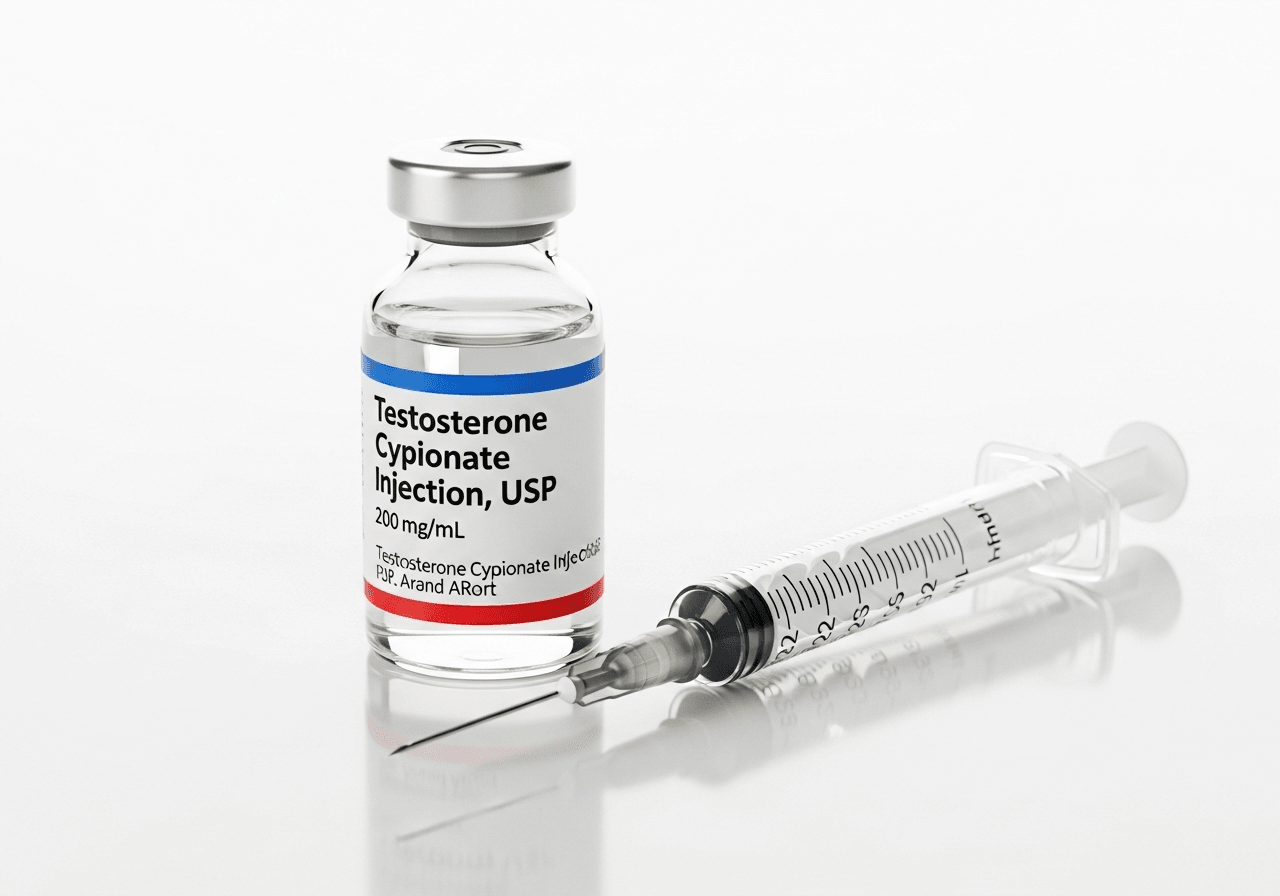
Case Study 1: Executive Recovery
Patient Profile: John, 45-year-old executive
Initial Testosterone: 240 ng/dL (severely low)
Treatment: Testosterone cypionate 150mg weekly
Before TRT:
- Chronic fatigue affecting work performance
- Weight gain of 25 pounds over 3 years
- Depression and relationship strain
- Complete loss of libido
- Sleep disturbances and brain fog
6-Month Results:
- Testosterone level: 850 ng/dL (optimal range)
- Weight loss: 18 pounds with visible muscle definition
- Energy improvement: Working 12-hour days without afternoon crashes
- Mental clarity: Sharp focus and decision-making ability
- Relationship recovery: Restored intimacy and emotional connection
Patient Quote: "TRT gave me my life back. I'm more productive at work, more present with my family, and I feel like myself again for the first time in years."
Case Study 2: Athletic Renaissance
Patient Profile: Marcus, 38-year-old former athlete
Initial Testosterone: 290 ng/dL
Treatment: Testosterone enanthate 125mg twice weekly
Before TRT:
- Difficulty maintaining muscle mass despite training
- Prolonged recovery times after workouts
- Decreased motivation for physical activity
- Stubborn abdominal fat accumulation
12-Month Transformation:
- Muscle gain: 15 pounds of lean muscle mass
- Fat loss: Body fat percentage decreased from 22% to 12%
- Performance: Bench press increased from 185lbs to 265lbs
- Recovery: Training 6 days per week without overtraining
- Energy: Consistent high energy for work and workouts
Case Study 3: Complete Life Transformation
Patient Profile: Robert, 52-year-old teacher
Initial Testosterone: 195 ng/dL (clinically low)
Treatment: Testosterone gel 50mg daily
Before TRT:
- Severe depression requiring medication
- Marriage on the verge of divorce
- Considering early retirement due to fatigue
- Social isolation and loss of friendships
18-Month Outcomes:
- Mental health: Discontinued antidepressants under medical supervision
- Marriage renewal: Restored intimacy and partnership
- Career revival: Teaching with renewed passion and energy
- Social reconnection: Active in community and friendships
- Physical transformation: Lost 30 pounds and gained muscle definition
Body Composition Changes on TRT

Muscle Mass Development
TRT significantly enhances muscle protein synthesis, leading to consistent lean mass gains:
Typical muscle gain timeline:
- Month 1-3: 2-5 pounds of lean muscle
- Month 3-6: Additional 5-8 pounds
- Month 6-12: 3-6 pounds of refined muscle mass
- Total first year: 10-19 pounds of muscle gain
Areas of greatest improvement:
- Chest and shoulder development
- Arm circumference increases
- Back width and thickness
- Leg strength and size gains
Fat Loss Patterns
Testosterone optimization promotes preferential fat loss, especially visceral fat:
Fat reduction areas:
- Visceral fat: Dangerous belly fat surrounding organs
- Subcutaneous abdominal fat: Visible stomach fat reduction
- Love handles: Side and back fat elimination
- Face and neck: Reduced facial puffiness
Average fat loss:
- 15-25% reduction in total body fat
- 3-5 inch decrease in waist circumference
- Significant improvement in body fat distribution
- Enhanced muscle definition and vascularity
Energy and Vitality Improvements
Daily Energy Patterns
One of the most consistent TRT benefits involves energy restoration:
Energy improvements:
- Morning vitality: Waking refreshed without multiple alarms
- Sustained energy: No afternoon crashes or fatigue
- Evening endurance: Energy for family time and activities
- Exercise capacity: Motivation and stamina for workouts
Sleep Quality Enhancement:
- Faster sleep onset and deeper sleep cycles
- Reduced nighttime awakenings
- More refreshing and restorative sleep
- Consistent sleep-wake rhythm
Mental and Cognitive Benefits
TRT consistently improves cognitive function and mental clarity:
Cognitive enhancements:
- Memory improvement: Better recall and information retention
- Focus and concentration: Sustained attention for complex tasks
- Decision-making: Clearer thinking and problem-solving
- Mental flexibility: Adapting to new situations and challenges
Mood and Emotional Benefits:
- Reduced anxiety and worry
- Improved stress resilience
- Enhanced motivation and drive
- Greater emotional stability
- Increased confidence and self-esteem
Sexual Health Transformations
Libido and Desire Recovery
Sexual health improvements rank among the most significant TRT benefits:
Sexual function restoration:
- Libido return: Natural sexual desire and interest
- Erectile function: Improved quality and frequency of erections
- Sexual stamina: Increased endurance and performance
- Orgasm intensity: Enhanced satisfaction and pleasure
Timeline for sexual improvements:
- Week 1-2: Initial increase in sexual thoughts
- Month 1: Return of morning erections
- Month 2-3: Significant libido improvement
- Month 3-6: Peak sexual function restoration
Relationship Impact
Sexual health improvements extend beyond physical function:
- Intimacy restoration: Emotional and physical closeness
- Confidence boost: Reduced performance anxiety
- Partner satisfaction: Improved relationship quality
- Communication enhancement: Open discussions about needs and desires
Factors Influencing TRT Results
Individual Variables
Several factors determine the extent and speed of TRT transformations:
Age factors:
- Younger patients (30-40): Faster and more dramatic results
- Middle-aged (40-50): Excellent results with consistent improvement
- Older patients (50+): Significant benefits with realistic expectations
Baseline testosterone levels:
- Lower starting levels often produce more dramatic improvements
- Severely deficient patients see the most significant transformations
- Borderline low patients experience meaningful but moderate changes
Lifestyle Optimization
TRT results amplify with proper lifestyle choices:
Exercise enhancement:
- Resistance training: Maximizes muscle building potential
- Cardiovascular exercise: Accelerates fat loss and improves health
- Consistency: Regular training produces superior results
Nutritional support:
- Adequate protein: 1.2-1.6g per kg body weight daily
- Balanced macronutrients: Proper carb and fat ratios
- Micronutrient sufficiency: Vitamins and minerals for optimal health
Recovery factors:
- Consistent sleep schedule (7-9 hours nightly)
- Stress management techniques
- Adequate recovery between workouts
- Limiting alcohol and avoiding tobacco
Realistic Expectations vs. Unrealistic Promises
What TRT Can Realistically Deliver
Achievable outcomes for most patients:
- Energy restoration: 85-90% of patients report significant improvement
- Body composition: 10-20 pounds of favorable changes over 12 months
- Sexual function: 70-85% achieve meaningful improvement
- Mood enhancement: Most patients experience emotional benefits
- Cognitive improvement: Enhanced focus and mental clarity
Unrealistic Expectations to Avoid
TRT limitations:
- Not a fountain of youth: Won't make you 20 years old again
- Requires effort: Exercise and nutrition remain essential
- Individual variation: Results differ between patients
- Time requirement: Significant changes take months, not weeks
- Not magic: Cannot overcome poor lifestyle choices
Monitoring Progress and Optimization
Tracking Your Transformation
Successful TRT requires comprehensive monitoring:
Objective measurements:
- Body composition analysis: DEXA scans or bioelectrical impedance
- Strength tracking: Progressive overload in key exercises
- Laboratory monitoring: Testosterone, estradiol, and health markers
- Blood pressure and heart rate: Cardiovascular health indicators
Subjective assessments:
- Energy levels: Daily energy ratings (1-10 scale)
- Sleep quality: Duration and refreshment ratings
- Mood tracking: Emotional stability and motivation
- Sexual function: Libido and performance assessments
Protocol Adjustments
TRT optimization requires ongoing refinement:
- Dose adjustments: Based on lab results and symptom response
- Injection frequency: Optimizing for stable levels and tolerability
- Estrogen management: Preventing excessive aromatization
- Additional therapies: HCG, AI, or other supportive treatments
Long-Term TRT Success Stories
5-Year Transformation: Complete Life Revival
Patient: James, started TRT at age 44
Current age: 49
Treatment duration: 5 years
Long-term results:
- Career advancement: Promoted to senior executive role
- Physical transformation: Maintained 25-pound weight loss and muscle gains
- Relationship success: Renewed marriage and active family life
- Health improvements: Eliminated metabolic syndrome markers
- Quality of life: Energy and vitality of someone 15 years younger
Patient reflection: "Five years later, I can honestly say TRT transformed every aspect of my life. I'm stronger, healthier, and happier than I've ever been."
Conclusion
Real-world TRT results consistently demonstrate life-changing transformations that extend far beyond simple testosterone level optimization. Patients experience comprehensive improvements in energy, body composition, sexual health, mental clarity, and overall quality of life that often exceed their initial expectations.
The key to successful TRT lies in realistic expectations, proper medical supervision, and commitment to lifestyle optimization. While individual results vary, the majority of patients achieve meaningful improvements within 3-6 months, with peak benefits typically realized during the first year of treatment.
These transformations aren't temporary fixes—they represent sustained improvements that continue as long as treatment remains optimized. The combination of restored testosterone levels, improved lifestyle habits, and renewed motivation creates a positive cycle that enhances all aspects of health and wellbeing.
For men struggling with low testosterone symptoms, understanding these real-world outcomes provides valuable insight into what TRT can realistically achieve. Success requires patience, consistency, and professional guidance, but the potential for transformation remains significant for appropriate candidates.
Medical Disclaimer: This information serves educational purposes only and does not replace professional medical consultation. TRT results vary among individuals and require ongoing medical supervision. Consult with a qualified healthcare provider to determine if testosterone replacement therapy is appropriate for your specific health situation.
Key Takeaways
TRT transformations follow predictable patterns with life-changing potential:
- Timeline matters: Significant results typically appear within 3-6 months, with peak benefits at 6-12 months
- Comprehensive benefits: Improvements span energy, body composition, sexual health, and mental function
- Individual variation: Results depend on age, baseline levels, lifestyle, and adherence to treatment
- Lifestyle amplification: Exercise and nutrition significantly enhance TRT outcomes
- Long-term success: Sustained benefits continue with proper monitoring and optimization
The most successful TRT patients approach treatment as a comprehensive health optimization strategy rather than a quick fix, combining medical therapy with lifestyle improvements for maximum transformation potential.