The Complete Beginner's Guide to Regenerative Health and Wellness
Regenerative health focuses on restoring your body's natural repair systems. R2 Medical Clinic in Denver introduces patients to PRP, stem cells, and
R2 Medical Clinic • 17 min read

Imagine waking up each day feeling more energized, resilient, and youthful, no matter your age. This is the promise of regenerative health and wellness, a holistic and science-backed approach designed to optimize your vitality and longevity. By focusing on prevention and rejuvenation, regenerative health and wellness empowers beginners to take control of their well-being, prevent chronic diseases, and enjoy a higher quality of life.
In this guide, you will find clear steps and expert insights to help you start your journey. Discover foundational principles, essential lifestyle changes, innovative therapies, and practical action plans for lasting results.
This guide is for informational purposes only and does not replace professional medical advice. Always consult your healthcare provider before making significant health changes.
Understanding Regenerative Health and Wellness
Imagine a future where your body’s natural ability to heal and thrive is at the center of your health journey. This is the promise of regenerative health and wellness—a modern approach that focuses on restoring optimal function, rejuvenating cells, and preventing disease before it starts.

Defining Regenerative Health and Wellness
Regenerative health and wellness refers to a holistic, science-driven philosophy that goes beyond symptom management. Instead of focusing only on treating illness, it aims to restore, repair, and optimize bodily systems at their core. This approach integrates mind, body, and environment, recognizing that true vitality is achieved when all aspects of health work together.
Unlike conventional wellness, which often addresses health in isolated parts, regenerative health and wellness takes a comprehensive view. It emphasizes prevention, early intervention, and the use of advanced therapies to rejuvenate cells and tissues. The field is rapidly growing, with global projections estimating the regenerative medicine market will reach $38.7 billion by 2025. Recent reports highlight even higher future growth, as seen in Regenerative Medicine Market Growth Projections.
This shift is fueled by new scientific discoveries and increasing awareness of the body’s innate ability to heal. Prevention, repair, and rejuvenation are at the heart of regenerative health and wellness, setting it apart as a forward-thinking approach.
Core Principles and Benefits
The foundation of regenerative health and wellness is built on several core principles:
- Cellular repair: Supporting the body’s ability to renew and regenerate cells.
- Hormonal balance: Optimizing hormones for energy, mood, and overall function.
- Inflammation reduction: Using nutrition and lifestyle strategies to combat chronic inflammation.
- Lifestyle integration: Merging science-backed practices into daily routines.
These principles have been shown to deliver measurable benefits. Evidence suggests regenerative health and wellness can boost energy, sharpen mental clarity, strengthen immunity, and slow the aging process. For example, stem cell therapies are increasingly used for joint repair, while hormone optimization supports vitality in both men and women. Anti-inflammatory nutrition, such as Mediterranean-style diets, further enhances cellular health.
Recent studies and expert insights confirm that these interventions are not just theoretical—they are producing real, positive changes for people seeking a proactive approach to well-being.
Who Can Benefit?
Regenerative health and wellness is not limited to a specific demographic. Adults striving for longevity, those experiencing chronic fatigue, and individuals recovering from injury all stand to benefit. This inclusive approach welcomes people of all ages and fitness levels, making it accessible to anyone motivated to take charge of their health.
Take, for instance, a midlife professional who adopted regenerative health and wellness strategies to combat persistent tiredness. Through targeted therapies and lifestyle changes, they regained energy and resilience. Others have used regenerative health and wellness to accelerate recovery after surgery or prevent chronic diseases before symptoms arise.
Ultimately, regenerative health and wellness empowers individuals to become active participants in their own health journey, unlocking potential for a more vibrant, resilient life.
This section is for informational purposes only and does not constitute medical advice. Please consult a qualified healthcare provider before making significant health changes.
Foundational Steps to Begin Your Regenerative Wellness Journey
Embarking on your regenerative health and wellness journey starts with a clear understanding of where you are and where you want to go. These foundational steps help you create a strong base, ensuring your path is both safe and effective. By focusing on assessment, goal setting, supportive environments, and guidance from professionals, you lay the groundwork for long-term success.

Assessing Your Baseline Health
Before making any significant lifestyle changes, it is crucial to assess your current health status. A comprehensive evaluation provides the data needed to personalize your regenerative health and wellness plan. Common assessments include blood panels, hormone testing, nutritional analysis, and body composition scans.
| Assessment Type | Purpose | Example Outcome |
|---|---|---|
| Blood Panels | Detect deficiencies, screen for chronic issues | Vitamin D deficiency, high cholesterol |
| Hormone Testing | Check hormonal imbalances | Low testosterone, thyroid issues |
| Nutritional Analysis | Identify dietary gaps | Magnesium or iron deficiency |
| Body Composition Scan | Measure muscle/fat ratio | High visceral fat, low muscle mass |
For instance, a 45-year-old beginner may discover through baseline testing that they have low vitamin B12 and elevated inflammation markers. This information is essential for developing a targeted regenerative health and wellness strategy.
Healthcare professionals play a key role in interpreting these results and crafting personalized recommendations. By starting with data, you avoid guesswork and set the stage for measurable improvement.
Setting Realistic Goals and Expectations
Defining clear, achievable goals is a cornerstone of regenerative health and wellness. Begin by identifying what you want to improve, such as sleep quality, energy levels, or weight.
Use the SMART method—specific, measurable, attainable, relevant, and time-bound—to structure your objectives. For example, a six-month plan might focus on increasing weekly physical activity, improving sleep duration, or reducing stress. Tracking progress with regular check-ins keeps you motivated and highlights areas for adjustment.
Remember that meaningful change takes time. Setting realistic expectations helps prevent frustration and supports a positive mindset throughout your regenerative health and wellness journey.
Building a Supportive Environment
A strong support system can make all the difference in your regenerative health and wellness outcomes. Engaging family, friends, or accountability partners increases your chances of sticking with healthy habits. Research shows that social support can boost long-term wellness success by up to 30 percent.
Create an environment that encourages positive choices. This might include preparing nutrient-rich meals together, joining group fitness classes, or sharing progress in a wellness community.
Consider exploring comprehensive wellness programs that offer structured guidance, peer support, and professional oversight. These programs often integrate nutrition, movement, and lifestyle coaching, providing a well-rounded approach to regenerative health and wellness.
Small changes in your environment, like keeping healthy snacks visible or setting up a dedicated relaxation space, reinforce your commitment and make healthy choices easier.
Legal Disclaimer on Medical Advice
This guide provides general information about regenerative health and wellness. It is not intended as medical advice or a substitute for consultation with qualified healthcare professionals.
Always consult your physician or a licensed practitioner before starting new wellness programs, making major lifestyle changes, or adopting therapies discussed here. Your safety and individual needs are paramount on your regenerative health and wellness journey.
Core Lifestyle Pillars for Regenerative Wellness
Building a foundation for regenerative health and wellness means focusing on daily habits that restore, protect, and energize your mind and body. By mastering these core lifestyle pillars, you can unlock your body's natural ability to repair, adapt, and thrive. Each pillar plays a unique role in your long-term vitality.

Nutrition for Cellular Renewal
Optimal nutrition forms the bedrock of regenerative health and wellness. Anti-inflammatory, nutrient-dense diets such as the Mediterranean or plant-forward approaches provide the building blocks for cellular repair. These diets feature abundant vegetables, fruits, whole grains, lean proteins, and healthy fats.
Antioxidants, healthy fats, and phytonutrients actively reduce oxidative stress and support cellular renewal. Omega-3 fatty acids, found in fatty fish, walnuts, and flaxseeds, are particularly powerful. In fact, diets rich in omega-3s are linked to a 20 percent lower risk of chronic disease, as detailed by Omega-3 Fatty Acids and Chronic Disease Risk.
Intermittent fasting and time-restricted eating have also gained traction within regenerative health and wellness. These practices give your body periods of rest for cellular cleanup and repair. For example, adopting a 16:8 fasting schedule can support metabolic health and longevity.
Sample Anti-Inflammatory Foods Table
| Food Group | Examples | Key Benefits |
|---|---|---|
| Vegetables | Kale, broccoli | Antioxidants, fiber |
| Healthy Fats | Olive oil, salmon | Omega-3s, heart health |
| Whole Grains | Quinoa, brown rice | B vitamins, energy |
Prioritizing whole, minimally processed foods is a cornerstone of regenerative health and wellness. Start by adding one new nutrient-dense food to your meals each week.
Movement and Exercise for Longevity
Movement is a catalyst for regenerative health and wellness at every age. Regular physical activity strengthens muscles, supports cardiovascular health, and improves balance and flexibility. Effective routines include resistance training, yoga, and high-intensity interval training (HIIT).
Research shows that exercise stimulates stem cell activity and can slow biological aging. Even moderate activity, such as brisk walking, yields significant benefits. According to the CDC, 150 minutes per week of moderate exercise reduces mortality risk by 30 percent.
Types of Regenerative Exercise
- Resistance training: Builds strength and supports joint health.
- Yoga: Enhances flexibility, reduces stress, and aids recovery.
- HIIT: Boosts metabolism and cardiovascular fitness in shorter sessions.
A 55-year-old adult who added two days of strength training and daily walks to their routine reported increased energy and better joint mobility. Consistency with movement helps you maintain the gains achieved through regenerative health and wellness.
Sleep Optimization and Recovery
Quality sleep is the unsung hero of regenerative health and wellness. During sleep, your body regulates hormones, repairs tissues, and strengthens the immune system. Inadequate rest disrupts these vital processes, leaving you fatigued and vulnerable.
Establishing a consistent bedtime, limiting screen time before sleep, and creating a dark, cool environment are effective sleep hygiene strategies. Aligning your sleep schedule with your natural circadian rhythm further enhances recovery.
Adults who prioritize 7 to 8 hours of sleep each night experience better metabolic health and sharper cognitive function, according to the Sleep Foundation. For example, a busy professional who improved their sleep routine saw a dramatic reversal in fatigue and mental clarity.
Track your sleep patterns using a journal or app, and adjust your routine if you notice signs of poor recovery. Rest is a non-negotiable pillar of regenerative health and wellness.
Stress Management and Mental Resilience
Chronic stress is a major obstacle to regenerative health and wellness. It triggers inflammation, accelerates aging, and undermines immune defenses. Managing stress requires both proactive and reactive strategies.
Mindfulness, meditation, and breathwork are scientifically validated techniques for reducing stress hormones. For instance, regular meditation can lower cortisol levels by 25 percent, according to recent research. Nature exposure and gentle movement, like tai chi or walking in green spaces, also support mental resilience.
Quick Stress-Busting Techniques
- Mindful breathing: Pause and take five slow, deep breaths.
- Guided meditation: Follow a 10-minute session online.
- Journaling: Write down worries to gain perspective.
Incorporating these practices daily helps fortify your mind and body against the effects of stress, a key component of regenerative health and wellness.
Environmental and Lifestyle Toxins
Reducing exposure to toxins is essential for regenerative health and wellness. Common offenders include processed foods, air pollution, and chemicals in plastics or personal care products. These toxins can disrupt hormones and hinder cellular repair.
Practical detox strategies start with clean eating, opting for filtered water, and choosing glass or stainless steel containers over plastic. For example, switching to glass storage can minimize exposure to endocrine disruptors, supporting hormone balance.
According to the NIH, lowering toxin exposure is linked to improved hormonal health. Regularly audit your home and work environment for hidden sources of toxins.
By making gradual changes, you can significantly reduce your toxic burden and empower your body's regenerative health and wellness potential.
Innovative Therapies and Medical Advances in Regenerative Health
Breakthroughs in regenerative health and wellness are rapidly transforming how individuals approach healing and longevity. From advanced cell-based therapies to targeted hormone optimization, these innovations offer hope for restoring function, reducing pain, and supporting healthy aging. Understanding these options can empower you to make informed decisions on your regenerative journey.
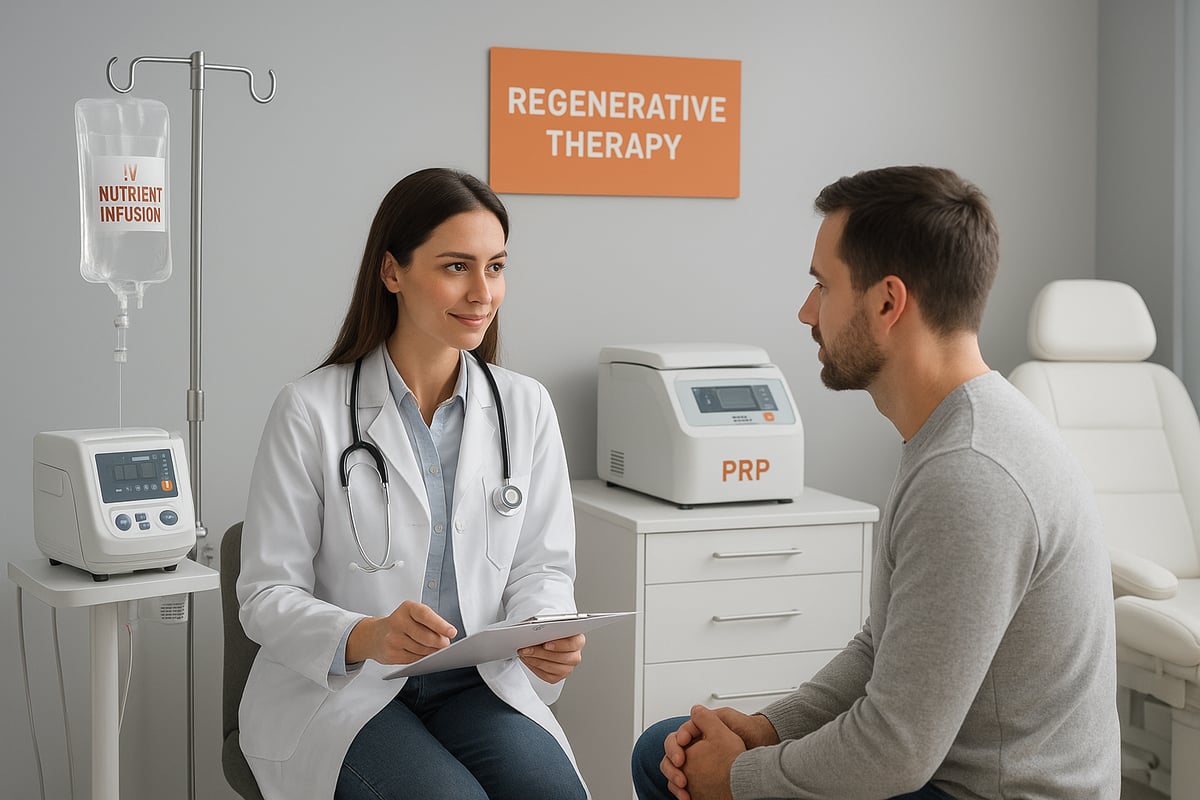
Overview of Cutting-Edge Therapies
The field of regenerative health and wellness is driven by therapies that focus on repairing and rejuvenating the body at a cellular level. These interventions often go beyond traditional symptom management, aiming to restore optimal function and promote lasting vitality.
Some of the most promising therapies include:
- Stem Cell Therapy: Uses undifferentiated cells to repair or replace damaged tissues. Applications range from joint regeneration to skin rejuvenation.
- Platelet-Rich Plasma (PRP) Therapy: Involves injecting concentrated platelets from your own blood into areas needing repair, stimulating healing for joints, tendons, and skin.
- Peptide Therapy: Utilizes specific protein fragments to enhance cellular repair, support immunity, and balance hormones.
- Hormone Optimization: Balances key hormones using bioidentical options for both men and women, addressing energy, mood, and metabolism.
- IV Nutrient Infusions: Delivers vitamins, minerals, and antioxidants directly into the bloodstream for rapid replenishment and improved cellular function.
| Therapy | Primary Benefit | Common Uses |
|---|---|---|
| Stem Cell Therapy | Tissue repair | Orthopedic, anti-aging |
| PRP | Enhanced healing | Joint pain, skin, hair |
| Peptide Therapy | Cellular renewal | Immunity, vitality |
| Hormone Optimization | Balance & energy | Menopause, andropause |
| IV Nutrients | Quick nutrient delivery | Fatigue, recovery |
These therapies are gaining acceptance as part of evidence-based regenerative health and wellness strategies, with ongoing research confirming their safety and effectiveness.
Accessibility and Safety Considerations
While regenerative health and wellness therapies are increasingly available, safety and efficacy depend on proper oversight. Not all providers offer the same level of expertise or follow rigorous protocols, so choosing the right clinic is essential.
To ensure safe access:
- Research Credentials: Look for clinics with licensed medical professionals and a track record in regenerative medicine.
- Ask About Protocols: Reputable providers follow strict guidelines for sourcing, processing, and administering therapies.
- Understand Risks: Each therapy carries unique risks and contraindications. Discuss your medical history and goals thoroughly with your provider.
- Prioritize Supervision: Medical supervision is crucial, especially for therapies involving injections or infusions.
- Stay Informed: Ask for information on the latest clinical evidence supporting each treatment.
Most importantly, consult with a qualified healthcare provider before beginning any regenerative health and wellness intervention. This ensures that therapies are safe, appropriate, and tailored to your individual needs.
Example: A Beginner’s Experience with PRP for Joint Pain
Consider the journey of a beginner exploring regenerative health and wellness for chronic knee pain. After an initial assessment and discussion of options, their provider recommended Platelet-Rich Plasma (PRP) therapy.
The process began with a simple blood draw. Platelets were concentrated using a specialized centrifuge, then carefully injected into the affected knee. The goal was to harness the body’s natural healing signals to repair joint tissue and reduce inflammation.
Within weeks, the patient noticed decreased pain and improved mobility. Unlike medications that only mask symptoms, PRP supports true tissue healing. For those interested in learning more, this PRP therapy for joint pain relief resource explains the science, benefits, and what to expect during treatment.
This example highlights how regenerative health and wellness therapies can offer life-changing results, especially when delivered by experienced professionals. Always seek individualized advice and consider all your options before starting any new therapy.
Legal Disclaimer: This content is for informational purposes only and does not constitute medical advice. Always consult a qualified healthcare provider before beginning any regenerative health and wellness therapy or making significant changes to your health regimen.
Step-by-Step Regenerative Health Plan for Beginners
Embarking on your regenerative health and wellness journey can feel overwhelming, but breaking it down into manageable steps makes the process approachable. By following a structured plan, beginners can take charge of their well-being and lay a foundation for lifelong vitality. Here is a comprehensive, step-by-step guide to help you get started.
Step 1: Schedule a Comprehensive Health Assessment
Before making changes, it is essential to understand your current health status. A comprehensive health assessment provides a baseline for your regenerative health and wellness plan. This typically includes blood panels, hormone testing, nutritional status checks, and body composition analysis.
Working with qualified healthcare professionals ensures that your assessment is thorough and personalized. For example, a 45-year-old beginner might discover nutrient deficiencies that, when addressed, lead to noticeable improvements in energy and mood.
- Blood tests for key biomarkers
- Hormone panels for balance
- Nutritional assessments for deficiencies
These insights help tailor your approach and set the stage for effective, individualized care.
Step 2: Create a Personalized Regenerative Wellness Plan
After your assessment, collaborate with professionals to design a plan that fits your goals and lifestyle. A personalized regenerative health and wellness strategy integrates nutrition, movement, sleep, and stress management.
Set clear, achievable goals using the SMART method—specific, measurable, attainable, relevant, and time-bound. For instance, you might aim to improve sleep quality or increase daily energy within six months.
- Define priorities (e.g., energy, weight, cognitive function)
- Outline actionable steps for each pillar
- Schedule regular check-ins to monitor progress
A tailored plan empowers you to make steady, sustainable changes.
Step 3: Implement Core Lifestyle Changes
Start integrating the foundational pillars of regenerative health and wellness into your daily routine. Focus on anti-inflammatory nutrition, regular physical activity, restorative sleep, and effective stress reduction.
Begin with small, manageable adjustments. Replace processed foods with whole, nutrient-dense options. Try different forms of exercise to find what you enjoy. For more on the impact of physical activity, see Exercise's Impact on Biological Aging.
- Meal prep for balanced nutrition
- Schedule workouts and active breaks
- Establish consistent sleep routines
Tracking your habits and celebrating small victories will reinforce your commitment.
Step 4: Explore Advanced Therapies (If Appropriate)
As you progress, consider advanced therapies that support cellular repair and rejuvenation. Options such as stem cell therapy, PRP, peptide therapy, and hormone optimization may be appropriate depending on your goals and health status.
It is vital to consult experienced professionals before pursuing these interventions. For a deeper understanding of how peptides can enhance regenerative health and wellness, explore Peptide therapy for regenerative health.
- Discuss options with your provider
- Evaluate risks, benefits, and evidence
- Prioritize therapies that align with your needs
Always ensure treatments are evidence-based and medically supervised.
Step 5: Monitor, Adjust, and Sustain Progress
Ongoing monitoring is key to long-term success in regenerative health and wellness. Schedule regular follow-ups, repeat key assessments, and adjust your plan as needed. Celebrate milestones to maintain motivation and track your improvements.
- Monthly or quarterly check-ins
- Update goals based on progress
- Seek feedback from your care team
Sustaining change is easier when you recognize achievements and remain flexible.
Common Challenges and Solutions
Every journey includes challenges. You may encounter plateaus, setbacks, or motivational dips as you adapt to a regenerative health and wellness lifestyle. Building a support network, joining accountability groups, or involving family can provide encouragement.
When obstacles arise, revisit your goals and remind yourself why you started. Seek professional guidance if you face persistent issues, and do not hesitate to adjust your approach.
- Identify triggers for setbacks
- Develop strategies for overcoming obstacles
- Leverage community support for accountability
Remember, progress is not always linear, but consistency leads to lasting results.
Legal Disclaimer: This guide is for informational purposes only and does not constitute medical advice. Always consult a qualified healthcare provider before making significant changes to your health routine or starting new therapies.
Expert Tips, Resources, and Future Trends in Regenerative Wellness
Starting your regenerative health and wellness journey can feel overwhelming, but expert guidance can make all the difference. Leading practitioners emphasize the importance of consistency and a proactive mindset. Begin by prioritizing daily habits that support cellular repair, such as balanced nutrition, regular movement, and restorative sleep.
Stress management is equally vital. Evidence shows that mindfulness, meditation, and breathwork significantly lower stress hormones. For example, regular meditation can reduce cortisol levels by 25 percent, as demonstrated in this study on meditation's effect on cortisol levels. Incorporating these practices into your regenerative health and wellness plan will set a strong foundation for lasting change.
Expert Insights for Beginners
To succeed in regenerative health and wellness, experts recommend a holistic approach. Focus on these key habits:
- Eat a nutrient-dense, anti-inflammatory diet.
- Engage in regular, varied exercise routines.
- Prioritize restorative sleep and good sleep hygiene.
- Practice daily stress management, such as meditation or breathwork.
- Minimize exposure to environmental toxins.
Adopt a growth mindset, viewing setbacks as opportunities to learn. Remember, the journey to optimal regenerative health and wellness is personal and requires patience. Seek support from professionals and stay updated with scientific advancements for best results.
Top Resources and Tools
Navigating regenerative health and wellness is easier with the right resources. Consider these top picks:
| Resource Type | Recommendation |
|---|---|
| Book | "Lifespan" by Dr. David Sinclair |
| Podcast | "FoundMyFitness" with Dr. Rhonda Patrick |
| Online Community | Reddit: r/Biohackers |
| App | MyFitnessPal (nutrition), Sleep Cycle (sleep) |
These tools help you track habits, access expert knowledge, and connect with like-minded individuals. Apps for nutrition, sleep, and activity tracking are especially useful for monitoring regenerative health and wellness progress and maintaining motivation.
Emerging Trends to Watch in 2025
The field of regenerative health and wellness is rapidly evolving. Key trends to monitor include:
- AI-driven personalized wellness plans based on genetic and biometric data.
- Advances in gene editing for disease prevention and longevity.
- Telemedicine and virtual coaching expanding access to regenerative experts.
- Breakthroughs in longevity research and anti-aging therapies.
Staying aware of these trends will empower you to make informed decisions and leverage the latest innovations in regenerative health and wellness.
Legal Disclaimer on Medical Advice
This guide is intended for informational and educational purposes only. It does not constitute medical advice or a substitute for consultation with qualified healthcare professionals. Always consult your healthcare provider before starting new regenerative health and wellness therapies or making significant changes to your health regimen.
As you start exploring the world of regenerative health and wellness, it’s natural to have questions about where to begin and how to tailor these powerful practices to your unique needs. That’s why taking the first step with expert guidance can make all the difference. At R2 Medical Clinic, you’ll find a team committed to helping you feel energized, resilient, and youthful—at any stage of life. If you’re ready to discover what personalized, science-backed care can do for your longevity and vitality, I encourage you to Schedule Your Free Consultation and take control of your wellness journey today.