Male Testosterone Supplements vs. TRT: What Denver Men Need to Know
OTC testosterone supplements rarely work as advertised. R2 Medical Clinic in Denver explains why physician-prescribed TRT outperforms supplements for treating
R2 Medical Clinic • 4 min read
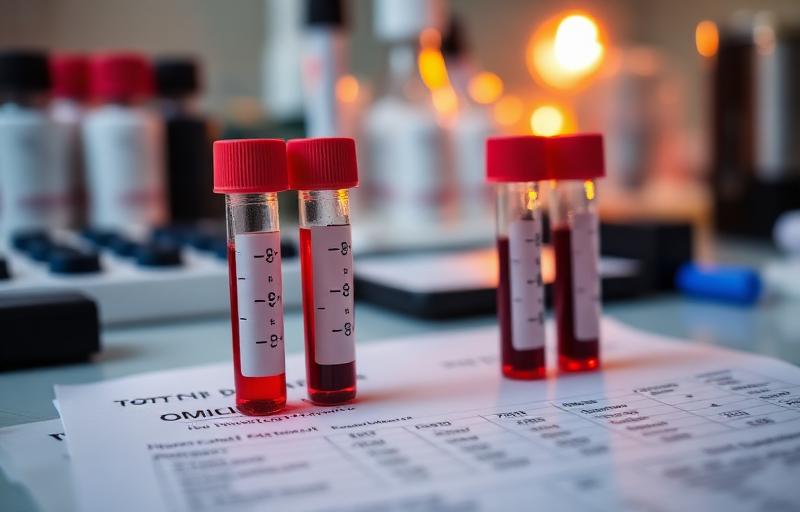
If you've ever walked the supplement aisle at a Denver health food store or scrolled through Amazon looking for a "testosterone booster," you've likely been overwhelmed by options — from zinc and ashwagandha to exotic herbal blends claiming to "naturally boost T." But do these supplements actually work? And when should a Denver man consider prescription TRT instead? R2 Medical Clinic in Denver, CO, breaks down the real difference between OTC testosterone supplements and medical-grade TRT.
The Truth About Over-the-Counter Testosterone Supplements
The testosterone supplement industry in the United States is a multi-billion-dollar market built on one core desire: men want their testosterone back. Companies capitalize on this by marketing products that promise to "naturally boost testosterone levels." But what does the science actually say?
What They Promise vs. What They Deliver
Most OTC testosterone boosters contain ingredients like:
- Zinc — An essential mineral that, if you're deficient, may support normal testosterone levels. However, extra zinc doesn't boost T if you're not deficient.
- Vitamin D — Supplementing if deficient may help maintain testosterone, but won't significantly raise levels in men who aren't deficient.
- Ashwagandha — Some studies suggest modest reductions in cortisol that may support testosterone, but the effect is modest and inconsistent.
- D-Aspartic Acid (DAA) — Some short-term studies show minor T-boosting effects; however, these are not clinically significant for men with low T.
- Fenugreek, Tribulus, Maca — Popular in supplements, but evidence for meaningful testosterone increases is weak.
The honest truth: for men with clinically low testosterone, OTC supplements are unlikely to restore levels to a functional range.
Real Testosterone vs. Testosterone Boosters
There is a fundamental difference between OTC "testosterone boosters" and prescription testosterone therapy:
- OTC supplements work on the premise of supporting the body's own testosterone production — which is already compromised in men with low T.
- Prescription TRT directly delivers pharmaceutical-grade testosterone into the body, bypassing the dysfunctional production mechanism entirely.
Why OTC Supplements Often Fall Short
If your testes are producing significantly less testosterone than your body needs — a medical condition called hypogonadism — no supplement will compensate adequately. The deficit is too large. You need direct supplementation with actual testosterone, prescribed and supervised by a physician.
The Science Behind Bioavailability
Prescription testosterone used in TRT (cypionate, enanthate, propionate) is highly bioavailable and precisely dosed. OTC supplements rely on botanical extracts and minerals with variable absorption, inconsistent quality, and modest physiological effects.
Who Needs Prescription Testosterone?
Men who have lab-confirmed testosterone below the normal range (typically below 300 ng/dL) and symptoms of low T (fatigue, low libido, loss of muscle mass, brain fog, mood changes) are typically candidates for medical TRT, not just supplements.
Testing Your Levels in Denver, CO
The only way to know whether you need prescription TRT is to get a comprehensive blood panel. R2 Medical Clinic in Denver makes this process simple: schedule a consultation, get your labs drawn, and review your results with a physician who can recommend the right path forward.
Why Denver Men Choose TRT at R2 Medical Clinic
At R2 Medical Clinic, Denver men get more than just a prescription — they get a physician-supervised protocol designed for their specific physiology.
Medical-Grade Testosterone Options
R2 Medical Clinic offers all major TRT delivery methods, including injections, creams, gels, and pellets — allowing you to choose the approach that fits your lifestyle.
Our four Denver-area locations — Denver, Wheat Ridge, Castle Rock, and Aurora — make it easy to access expert TRT care wherever you are in the Colorado Front Range.
🏥 Schedule your free consultation at R2 Medical Clinic in Denver — call us today or book online.
FAQ: Testosterone Supplements in Denver
Are OTC testosterone supplements a waste of money for Denver men?
What's the difference between a testosterone supplement and TRT?
How do I know if I need TRT instead of supplements?
Where can I get a testosterone test in Denver, CO?
Can I take OTC supplements while on TRT?
Medical Disclaimer: This content is for informational purposes only. OTC supplements are not FDA-approved to treat low testosterone. Consult with a physician at R2 Medical Clinic to determine if TRT is appropriate for you.
About the Author
Dr. Erik Natkin, DO | Founder & Medical Director, R2 Medical Clinic
Dr. Natkin is a Doctor of Osteopathic Medicine specializing in hormone optimization, regenerative medicine, and medical weight loss. He founded R2 Medical Clinic to bring physician-supervised, evidence-based health optimization to men and women throughout the Denver, Colorado area.