Safest Peptides for Muscle Growth: Safety, Side Effects & Options
Which muscle-growth peptides have the strongest safety record? A clinician's breakdown of side effects, lab monitoring, and which peptides to avoid.
R2 Medical Clinic • 8 min read
Peptides have become an increasingly discussed topic among fitness enthusiasts interested in muscle growth, recovery, and performance. Understanding what peptides are, how they work, and the safety considerations involved is essential before considering any peptide therapy. For those dealing with growth hormone deficiency, peptide therapy may be an option to discuss with a licensed medical provider.
What Are Peptides?
Peptides are naturally occurring amino acid chains that play various roles in the body, including roles in muscle growth and muscle repair. Peptides interact with the body's own signaling processes involved in muscle development. Whether peptide therapy is appropriate for you — and how it would fit alongside a balanced diet and a well-planned training regimen — should be evaluated and supervised by a licensed medical provider.
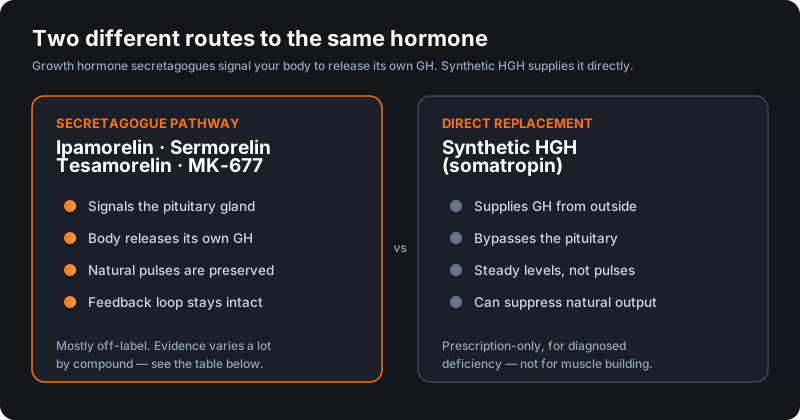
In this guide, we at R2 Medical will walk you through what is currently known about peptides studied in connection with muscle growth. We'll cover their biology, how they are thought to support muscle building and muscle regeneration, and the important safety and legal considerations involved. By the end of our guide, you'll have a clearer understanding of the role peptides may play in muscle growth, health, and athletic performance — and why medical supervision matters.
Peptides Commonly Discussed for Muscle Growth
Several peptides are frequently discussed in the context of muscle growth, recovery, and performance. Below are five of the most commonly mentioned. Note that some of these compounds are not FDA-approved, and any use should be considered only under the care of a licensed medical provider.
Ipamorelin: The Growth Hormone Releasing Peptide
Ipamorelin is a growth hormone-releasing peptide (GHRP) known for its ability to stimulate the production of human growth hormone in the body. It works by increasing insulin-like growth factor (IGF-1) levels, which is associated with muscle growth, body fat reduction, and energy levels. Ipamorelin also blocks the hormone that inhibits growth hormone production.
Reported effects of Ipamorelin:
- Stimulates natural growth hormone production
- Increases IGF-1 levels
- Associated with body fat reduction and lean muscle preservation
- Reported improvements in energy levels
- Reported improvements in recovery between training sessions
Tesamorelin: A Growth Hormone Releasing Hormone Analog
Tesamorelin is a growth hormone-releasing hormone analog and one of the few compounds in this category with FDA approval — though it is worth being precise about what for. It is approved to reduce excess abdominal fat in people with HIV-associated lipodystrophy, based on randomised controlled trials (Falutz et al., Journal of Acquired Immune Deficiency Syndromes, 2010). It is not approved as a muscle-building treatment.
What the research covers:
- Randomised controlled trial evidence in its approved indication
- Reductions in visceral fat in the studied population
- No approval, and no comparable trial evidence, for muscle building in healthy adults
MK-677: The Oral Growth Hormone Secretagogue
MK-677, also known as Ibutamoren, is a growth hormone secretagogue that stimulates the body's production of growth hormone and IGF-1 and reduces the breakdown of these hormones. MK-677 has also been studied for lipolysis properties and reported effects on sleep quality, which is important for muscle recovery and growth. MK-677 is an investigational compound that is not FDA-approved.
Reported effects of MK-677:
- Oral compound (studied in oral form)
- Sustained growth hormone elevation
- Reported improvements in sleep quality and recovery
- Studied for fat metabolism (lipolysis)
- Increased appetite
BPC-157: The Healing and Recovery Peptide
BPC-157 is a peptide discussed in connection with tissue healing and workout recovery. Early research suggests BPC-157 may influence growth hormone receptor expression in tendon fibroblasts, which is being studied in relation to healing and recovery. BPC-157 is not FDA-approved, and human research remains limited.
Reported effects of BPC-157:
- Studied for tissue healing and repair
- Discussed in connection with tendon and ligament health
- Studied for gut health and digestion
- Studied for anti-inflammatory properties
Collagen Peptides: For Joint Health and Muscle Recovery
Collagen peptides are well-known for their benefits for skin health, and they are also discussed in connection with muscle recovery. They provide the body with amino acids used to repair and rebuild muscle tissues, and they contribute to joint health. Collagen peptides may support recovery when combined with strength training and proper nutrition.
Reported benefits of collagen peptides:
- Support for muscle recovery and reduced soreness
- Support for joint health and mobility
- Better skin elasticity and appearance
- Support for connective tissue strength
- Natural amino acid profile
At R2 Medical, we offer peptide therapy options tailored to your unique needs and goals. Any peptide use should be part of a medically supervised plan alongside a balanced diet and regular exercise.
Peptide Safety: The Importance of Medical Supervision
Consulting with a Medical Professional
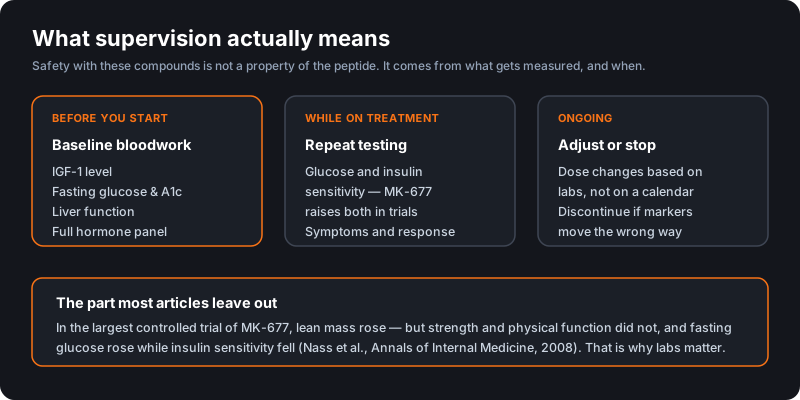
The first and most crucial step before considering peptides is consulting with a medical professional. At R2 Medical Clinic, we provide personalized peptide therapy plans tailored to your specific needs and goals. Our licensed healthcare professionals determine whether peptide therapy is appropriate for you and, if so, oversee every aspect of the treatment. All dosing must be determined by a licensed medical provider — everyone's body responds differently to peptides, and what works for one person may not work for another.
Our comprehensive consultation process includes:
- Complete medical history assessment
- Current fitness goals evaluation
- Baseline hormone level testing
- Provider-directed treatment planning
- Ongoing monitoring and adjustments
Understanding the Side Effects of Peptides
Misuse or abuse of peptides can lead to potential side effects and health risks. Side effects can vary depending on the type of peptide used and the individual's body chemistry. This is why peptides should only be used under the direction of a licensed medical provider and obtained from reputable sources.
Potential side effects may include:
- Injection site reactions (redness, swelling)
- Water retention (temporary)
- Increased hunger with certain peptides
- Fatigue during initial adjustment period
- Changes in blood sugar levels
The Importance of Quality in Peptide Supplements
The quality of peptide products plays a significant role in their safety and effectiveness. Peptides from unreliable sources may not have undergone rigorous testing, potentially leading to less effective results or increased risk of side effects. At R2 Medical Clinic, we ensure that the peptides we use meet high pharmaceutical standards.
Quality assurance measures include:
- Third-party laboratory testing
- Pharmaceutical-grade manufacturing
- Proper storage and handling protocols
- Batch tracking and quality control
- Regular potency and purity verification
What the evidence does and does not show
Growth hormone pathways reliably increase lean body mass. In controlled trials they have not reliably increased strength or physical performance — a systematic review in the Annals of Internal Medicine found that growth hormone raised lean mass without improving strength or performance, while adverse events increased (Liu et al., 2008). On a page about safety, that distinction matters: added size is not the same as added capability.
The Legal Aspects of Peptide Use
The legality of peptides for muscle-building purposes varies by country and jurisdiction. Some peptides are FDA approved for specific medical uses, while others are sold as research chemicals or used off-label. In the United States, a number of peptides discussed for muscle growth are not approved by the FDA, and their status in sports and bodybuilding is restricted or unsettled. Therefore, it's crucial to ensure that any peptide you consider is legal and prescribed for you. At R2 Medical Clinic, peptides are prescribed only by licensed physicians where medically appropriate.
In conclusion, the safety and legality of peptide use depend on medical supervision — with dosing determined and prescribed by a licensed provider — and obtaining peptides from a reputable source. Always consult with a healthcare professional before starting any new treatment, including peptides. At R2 Medical Clinic, we are here to provide guidance and support.
Peptides, Nutrition, and Exercise: A Complete Approach
Recap of Peptides Discussed for Muscle Growth
As we discussed, peptides like Ipamorelin, Sermorelin, Tesamorelin, MK-677, BPC-157, and collagen peptides are among those most commonly discussed in connection with muscle growth, and they differ considerably in how much human evidence sits behind them. They are thought to work by stimulating the production of growth hormones, supporting healing and recovery, and providing other effects being studied in relation to muscle growth. These peptides are most appropriately considered as part of a comprehensive, medically supervised approach to fitness and health.
The Role of Nutrition and Exercise in Conjunction with Peptides
Peptides are not a magic bullet for muscle growth. Any potential benefit depends on a foundation of a balanced diet and regular exercise. Protein, complex carbohydrates, and healthy fats are key components of a muscle-building diet. These nutrients provide the body with the energy and building blocks needed for muscle growth and protein synthesis. Regular strength training and resistance training are also crucial as they provide the stimulus necessary for muscle hypertrophy and development.
Essential nutritional components:
- High-quality protein sources
- Complex carbohydrates for energy and recovery
- Healthy fats for hormone production
- Adequate hydration for optimal performance
- Micronutrients and vitamins for metabolic support
At R2 Medical Clinic, nutrition counseling is available as part of a broader assessment of metabolic and hormone health.
Final Thoughts on Peptides and Muscle Growth
In conclusion, peptide therapy may offer benefits for some individuals, particularly when combined with proper nutrition and regular exercise. Peptides are being studied for their roles in muscle growth, athletic performance, and workout recovery. Responsible use of peptides requires medical supervision — dosing and administration must always be determined by a licensed medical provider — and obtaining them from a reputable source. We at R2 Medical Clinic are committed to providing personalized peptide therapy plans that prioritize your safety while helping you work toward your goals.
If you're interested in the potential of peptide therapy, contact us today. Our providers can evaluate whether peptide therapy is appropriate for your fitness goals.
Ready to Start Your Health Journey?
Our medical team is here to help you work toward your health and wellness goals through personalized treatment plans. Whether you're looking to support muscle growth, improve body composition, or enhance your overall athletic performance, our providers can determine whether peptide therapy is appropriate for you, with all treatment decisions made and supervised by a licensed medical provider.
Contact R2 Medical Clinic today at (720) 640-2333 to schedule your peptide therapy consultation.
Located in Denver, Colorado, R2 Medical Clinic is your trusted partner for physician-supervised peptide therapy and comprehensive hormone optimization programs.
Medical Disclaimer: This information is for educational purposes only and is not intended to replace professional medical advice. Several peptides discussed in this article are not FDA-approved. Peptide therapy should only be undertaken under the supervision of a qualified healthcare provider, and all dosing must be determined by a licensed medical provider. Results may vary based on individual factors including age, health status, and adherence to treatment protocols.
Frequently asked questions
What is the safest peptide for muscle growth?
The safest peptide depends on your labs, health history, goals, and medication profile. R2 Medical Clinic evaluates protocols only after a medical review and baseline bloodwork. The peptides we publish detailed information on are Ipamorelin, Sermorelin, Tesamorelin, MK-677, and BPC-157.
How do muscle growth peptides compare to anabolic steroids?
They work differently: peptides signal natural hormone and tissue-repair pathways, while anabolic steroids introduce external hormones that can suppress normal endocrine function and carry documented cardiovascular risks. That difference in mechanism is not the same as a proven difference in safety — peptides in this category are far less studied, and most are prescribed off-label. They still require proper prescribing, sourcing, dosing, and monitoring.
How long does it take to see results from peptides?
Many patients notice recovery, sleep, or training-capacity changes within a few weeks. Body composition and visible muscle changes usually require consistent training, nutrition, and several months of monitored treatment.
Do peptides work without exercise?
Peptides are not a substitute for progressive resistance training, adequate protein, sleep, and recovery. They are most useful when they support an already structured training and nutrition plan.
Can I combine multiple peptides for better muscle growth results?
Combining peptides is done in supervised clinical settings, but the evidence for any specific combination outperforming a single agent is limited. Treatment decisions should be based on individual labs, goals, and health history rather than on protocols circulated online.
Where can I get safe peptides for muscle growth in Colorado?
R2 Medical Clinic offers physician-supervised peptide therapy at three locations across the Denver metro area: Denver (South Bellaire), Arvada-Wheatridge, and Castle Rock. All protocols begin with a medical consultation and baseline bloodwork.
References
Every source below was verified against PubMed. Links go to the original record.
- Nass R, et al. Effects of an oral ghrelin mimetic on body composition and clinical outcomes in healthy older adults: a randomized trial. Ann Intern Med. 2008. PMID: 18981485
- Bramnert M, et al. Growth hormone replacement therapy induces insulin resistance by activating the glucose-fatty acid cycle. J Clin Endocrinol Metab. 2003. PMID: 12679422
- Jeffcoate W, et al. Growth hormone therapy and its relationship to insulin resistance, glucose intolerance and diabetes mellitus: a review of recent evidence. Drug Saf. 2002. PMID: 11945115
- Jørgensen JO, et al. Growth hormone and glucose homeostasis. Horm Res. 2004. PMID: 15539799
- Pascual-Corrales E, et al. Growth hormone and glycemic metabolism. Vitam Horm. 2026. PMID: 41912300
- Murphy MG, et al. Effect of alendronate and MK-677 (a growth hormone secretagogue), individually and in combination, on markers of bone turnover and bone mineral density in postmenopausal osteoporotic women. J Clin Endocrinol Metab. 2001. PMID: 11238495
- Sevigny JJ, et al. Growth hormone secretagogue MK-677: no clinical effect on AD progression in a randomized trial. Neurology. 2008. PMID: 19015485
- Copinschi G, et al. Prolonged oral treatment with MK-677, a novel growth hormone secretagogue, improves sleep quality in man. Neuroendocrinology. 1997. PMID: 9349662
- Campbell GA, et al. Oral ghrelin receptor agonist MK-0677 increases serum insulin-like growth factor 1 in hemodialysis patients: a randomized blinded study. Nephrol Dial Transplant. 2018. PMID: 28340044
- Sigalos JT, et al. The Safety and Efficacy of Growth Hormone Secretagogues. Sex Med Rev. 2018. PMID: 28400207
- Liu H, et al. Systematic review: the safety and efficacy of growth hormone in the healthy elderly. Ann Intern Med. 2007. PMID: 17227934
- Liu H, et al. Systematic review: the effects of growth hormone on athletic performance. Ann Intern Med. 2008. PMID: 18347346
- McGuire FP, et al. Regeneration or Risk? A Narrative Review of BPC-157 for Musculoskeletal Healing. Curr Rev Musculoskelet Med. 2025. PMID: 40789979
- Vasireddi N, et al. Emerging Use of BPC-157 in Orthopaedic Sports Medicine: A Systematic Review. HSS J. 2025. PMID: 40756949
- Badran AS, et al. Body composition, hepatic fat, metabolic, and safety outcomes of Tesamorelin, a GHRH analogue, in HIV-associated lipodystrophy: A meta-analysis of randomized controlled trials. Obes Res Clin Pract. 2026. PMID: 41545261
- Choules MP, et al. NMR reveals an undeclared constituent in custom synthetic peptides. J Pharm Biomed Anal. 2020. PMID: 31671336
- Frude E, et al. A focused netnographic study exploring experiences associated with counterfeit and contaminated anabolic-androgenic steroids. Harm Reduct J. 2020. PMID: 32532347
- Baggish AL, et al. Cardiovascular Toxicity of Illicit Anabolic-Androgenic Steroid Use. Circulation. 2017. PMID: 28533317
- Mingxing L, et al. Adverse Effects of Anabolic Androgenic Steroid Abuse in Athletes and Physically Active Individuals: A Systematic Review and Meta-Analysis. Subst Use Misuse. 2025. PMID: 39945139
- Windfeld-Mathiasen J, et al. Cardiovascular Disease in Anabolic Androgenic Steroid Users. Circulation. 2025. PMID: 39945117