Peptide Therapy: A Physician’s Guide to the Evidence, Potential Benefits, Risks & Limitations
A physician's guide to peptide therapy — FDA-approved vs. compounded peptides, evidence quality, potential benefits, risks and who should proceed with caution.
Erik Natkin, DO • 15 min read
Medically reviewed by Erik Natkin, DO — Founder, R2 Medical Clinic, Denver, Colorado
Last medically reviewed: September 2026
Peptide therapy has become increasingly visible in discussions about recovery, body composition, metabolism, sexual health, immune function and healthy aging.
But the term “peptide therapy” covers a very broad category.
Some peptide-based medications have been extensively studied, approved by the U.S. Food and Drug Administration, and used in conventional medicine for years. Others have limited human evidence, are investigational, or may be available only through specific compounding pathways.
Those distinctions matter.
At R2 Medical Clinic, our approach is to evaluate peptide therapy based on the individual patient, the specific peptide, the quality of available evidence, the intended clinical goal, potential risks, regulatory status and reasonable expectations.
The question should not simply be:
“Do peptides work?”
A better question is:
“Which peptide are we discussing, what does the evidence actually show, and is its potential benefit worth the uncertainty and risk for this individual patient?”
What Is a Peptide?
Peptides are short chains of amino acids.
Amino acids are also the building blocks of proteins, but peptides are generally smaller and often function as biological signaling molecules.
The human body naturally produces many peptides that help regulate important physiologic processes. Depending on the peptide, these processes may involve:
- Hormonal signaling
- Metabolism
- Appetite and satiety
- Growth and tissue signaling
- Immune function
- Inflammation
- Sexual function
- Gastrointestinal function
- Numerous other cellular processes

Because peptides can interact with specific receptors and biological pathways, researchers have developed many peptide-based medications. Peptides therefore are not inherently experimental. Some are established medications. Others are still being investigated.
Peptides Are Already Part of Conventional Medicine
When people hear the phrase “peptide therapy,” they sometimes assume peptides belong entirely to alternative or experimental medicine.
They do not.
Peptide-based drugs are already used across numerous areas of medicine, including metabolic, endocrine and other disorders. Modern peptide therapeutics have become an important category of pharmaceutical development, with many clinically established agents and many more under investigation.
The important issue is therefore not whether something is a peptide. It is:
- Which peptide is being used?
- For what purpose?
- What evidence supports that use?
- Is it FDA-approved for that indication?
- What do we know about safety?
Not All Peptide Therapies Have the Same Level of Evidence
This is probably the most important concept for patients considering peptide therapy. Peptides can fall into very different evidence categories.
FDA-Approved Peptide Medications
Some peptide medications have undergone formal FDA review for specific medical indications. FDA approval means that the agency has evaluated evidence regarding safety, effectiveness, manufacturing quality and labeling for the approved use.
That does not mean an approved peptide has no risks. It means there is a substantially stronger regulatory and evidence foundation for its approved indication.
Peptides Studied in Humans but Not FDA-Approved for a Particular Use
Some peptides have human studies but do not have FDA approval for the purpose for which they are sometimes promoted. Evidence may consist of:
- Small clinical trials
- Early-phase studies
- Studies involving a different condition
- Limited observational data
- Short-term research
This evidence can be scientifically interesting without establishing that a therapy is proven or appropriate for routine clinical use.
Peptides Supported Primarily by Animal or Laboratory Research
For other peptides, much of the available evidence comes from cell studies, animal models, mechanistic research and preclinical experiments. These studies can help researchers understand how a peptide might work. But a treatment that produces an interesting effect in a laboratory or animal model does not necessarily produce the same effect—or the same safety profile—in humans.
Peptides With Very Limited Clinical Information
Some peptides marketed online or discussed on social media have little meaningful human safety or efficacy data. In these situations, uncertainty itself becomes an important risk.
What Does “Evidence-Based” Mean in Peptide Therapy?
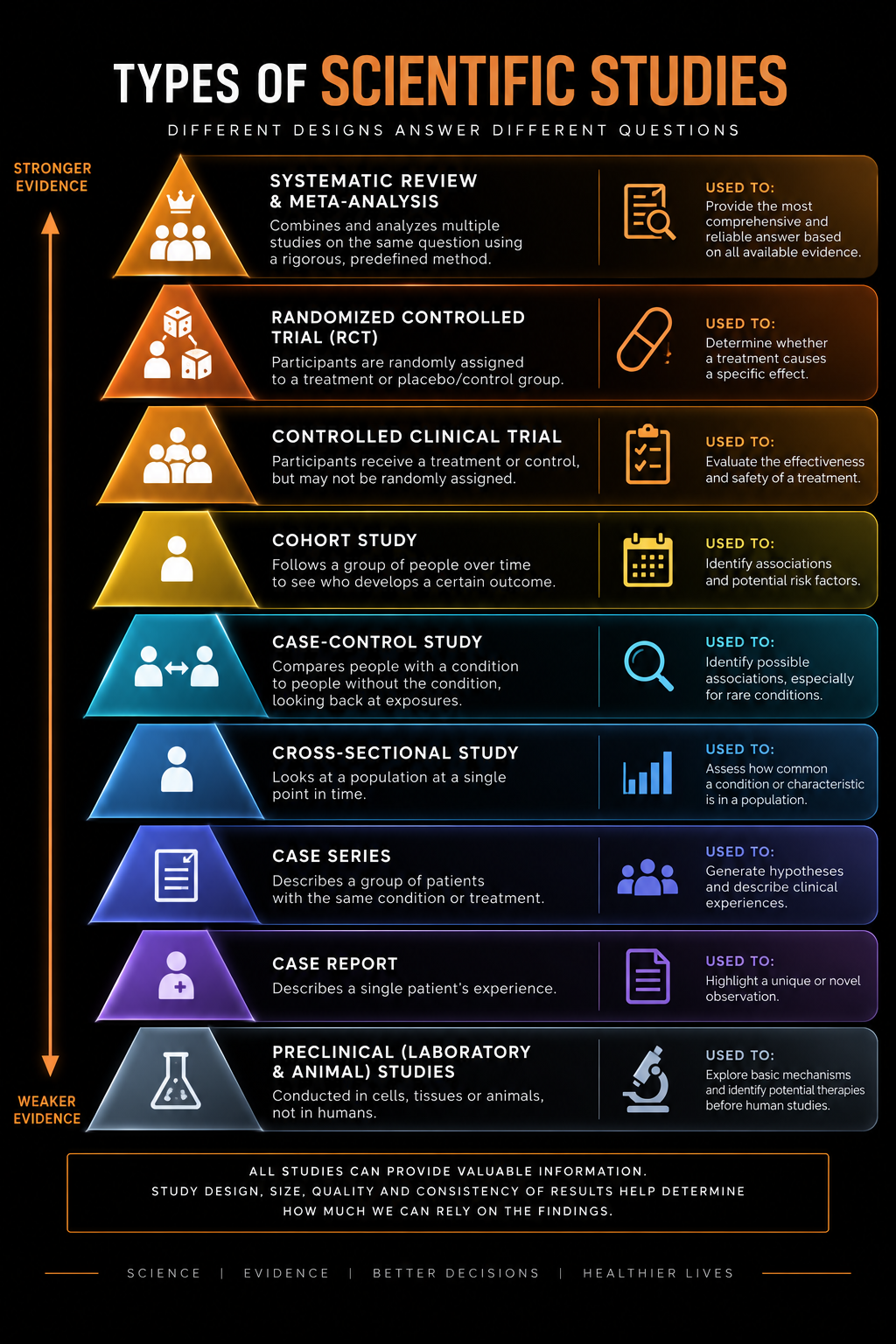
Evidence is not simply a question of whether a study exists. The quality of the study matters. When evaluating a peptide, important questions include:
- Has it been studied in humans?
- How many people were studied?
- Was the study randomized and controlled?
- Was the peptide compared with placebo or standard treatment?
Was the outcome clinically meaningful? How long were patients followed? Has the finding been reproduced? Were adverse effects carefully assessed?
A single animal study and a large randomized human trial should not be treated as equivalent evidence. This is why peptide therapy needs more nuance than “research shows it works.”
Why Are Peptides So Interesting Medically?
Peptides can interact with biological targets with considerable specificity. That makes them attractive candidates for drug development. Researchers have investigated peptide therapeutics for applications involving endocrine disease, metabolic disease, cancer, cardiovascular disease, neurologic disease, inflammation, tissue repair, reproductive medicine and other areas of medicine.
Reviews of modern peptide therapeutics describe both considerable potential and significant challenges, including stability, delivery, manufacturing and clinical translation. (Nature)
Potential Benefits Depend on the Specific Peptide
It is misleading to discuss the “benefits of peptides” as though every peptide produces the same effect. They do not. Potential effects depend entirely on:
- The peptide
- The receptor or pathway involved
- Dose
- Route of administration
- Patient population
- Underlying condition
- Duration of treatment
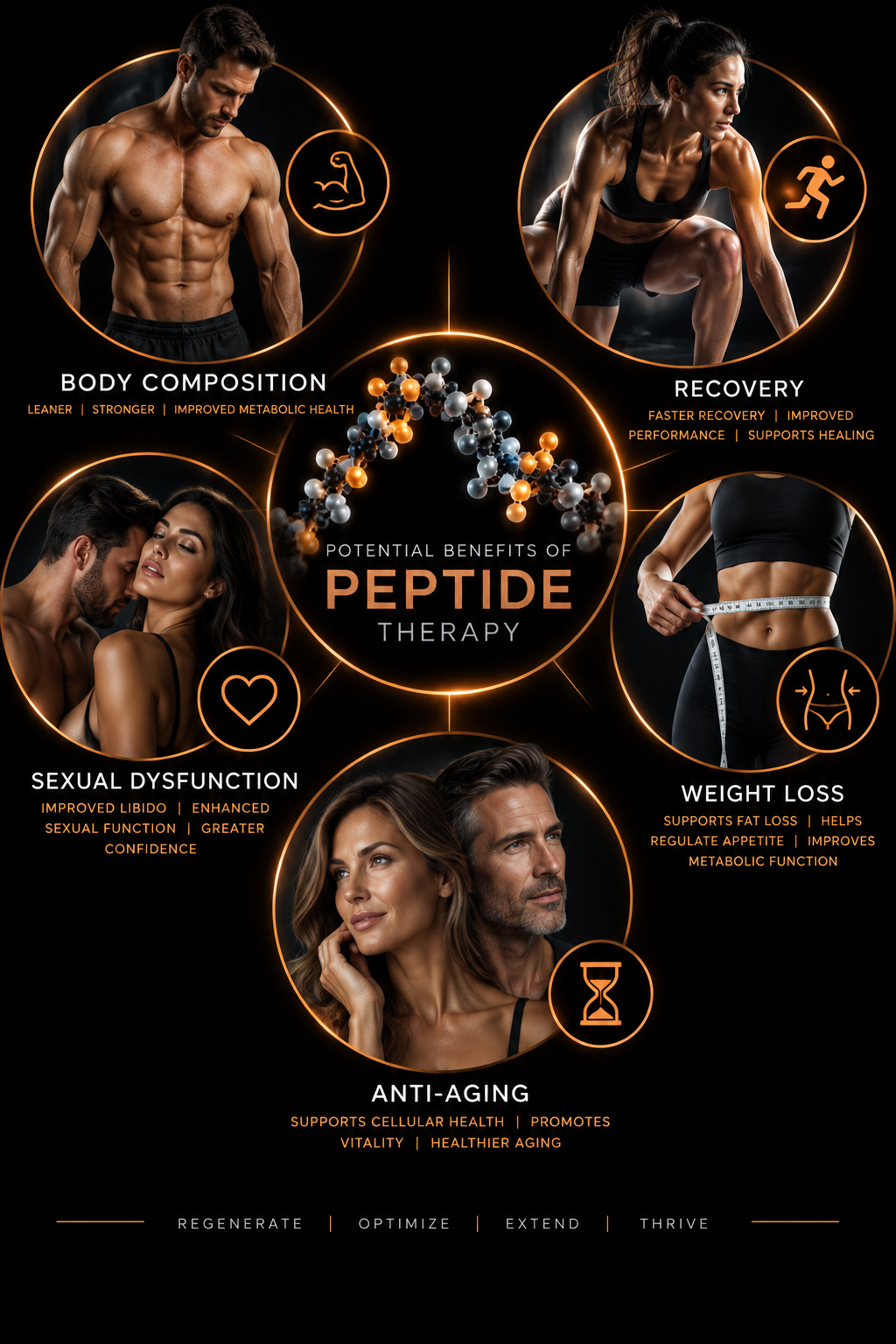
Depending on the specific peptide, areas being studied or treated may involve hormonal signaling, body composition, appetite and metabolic function, tissue repair, sexual function, immune signaling, inflammatory pathways and other physiologic processes.
The phrase “peptide therapy” therefore describes a category of treatments—not a single therapy.
Peptide Therapy and Body Composition
Some peptides affect pathways related to growth hormone signaling, metabolism or appetite. This has generated substantial interest in potential applications involving lean body mass, fat distribution, exercise recovery and body composition.
However, evidence varies tremendously among individual compounds. Some peptide medications have established medical indications involving specific metabolic or endocrine conditions. Other peptides promoted for muscle growth or fat loss may have only limited clinical research.
Patients should be skeptical of claims that a peptide will automatically build muscle, melt fat, reverse aging or transform body composition without considering the strength of the human evidence.
Peptides and Recovery
One of the most heavily marketed areas of peptide therapy is tissue recovery. Certain experimental peptides have attracted interest because preclinical studies suggest possible effects involving angiogenesis, growth-factor signaling, inflammation, collagen or connective tissue, and tissue repair.
However, preclinical findings do not automatically establish clinical benefit after tendon, ligament, muscle or other injuries. A 2026 review of injectable peptide therapy in orthopaedic and sports-medicine settings specifically examined the gap between growing use and the variable quality of available evidence.
For many proposed recovery peptides, high-quality human trials remain limited. That uncertainty should be explained clearly to patients.
Peptides and Growth Hormone Signaling
Some peptides influence the body’s growth-hormone axis. Depending on the compound, a peptide may affect signals involved in growth hormone production or release. This can potentially affect downstream markers and physiologic processes related to body composition, metabolism, tissue growth and other growth-hormone-dependent pathways.
But stimulating a physiologic pathway does not automatically mean treatment is appropriate for every patient. Potential benefits need to be weighed against potential adverse effects and the quality of evidence supporting the intended use.
Peptides and Sexual Function
Certain peptide medications or peptide-based compounds have been investigated for sexual function. Again, evidence and regulatory status vary depending on the specific treatment and indication.
Sexual dysfunction also has many potential causes, including vascular disease, hormonal abnormalities, medications, neurologic disease, psychological factors, relationship factors and other medical conditions. Peptide therapy should therefore not substitute for an appropriate evaluation of the underlying cause.
Peptides and “Anti-Aging”
The term anti-aging is frequently used in peptide marketing. It should be approached carefully. Aging is an extraordinarily complex biological process involving numerous systems. No peptide has been shown to stop human aging.
A peptide may influence a pathway associated with metabolism, hormone signaling, inflammation or tissue biology. That is very different from demonstrating that the treatment reverses aging or extends healthy human lifespan. Patients should distinguish between mechanistic theories and clinically demonstrated outcomes.
What Are the Risks of Peptide Therapy?
Potential risks vary by peptide. They may include:
- Injection-site reactions
- Headache
- Nausea or gastrointestinal symptoms
- Fluid retention
- Changes in blood glucose
- Hormonal changes
- Changes in appetite
- Blood pressure effects
- Allergic reactions
- Immune responses
- Unintended effects on other biologic pathways
- Drug interactions
- Unknown long-term effects
- Cancer exacerbation
Some risks may not yet be well characterized when human studies are limited. That is an important point: lack of documented harm is not the same as evidence of safety.
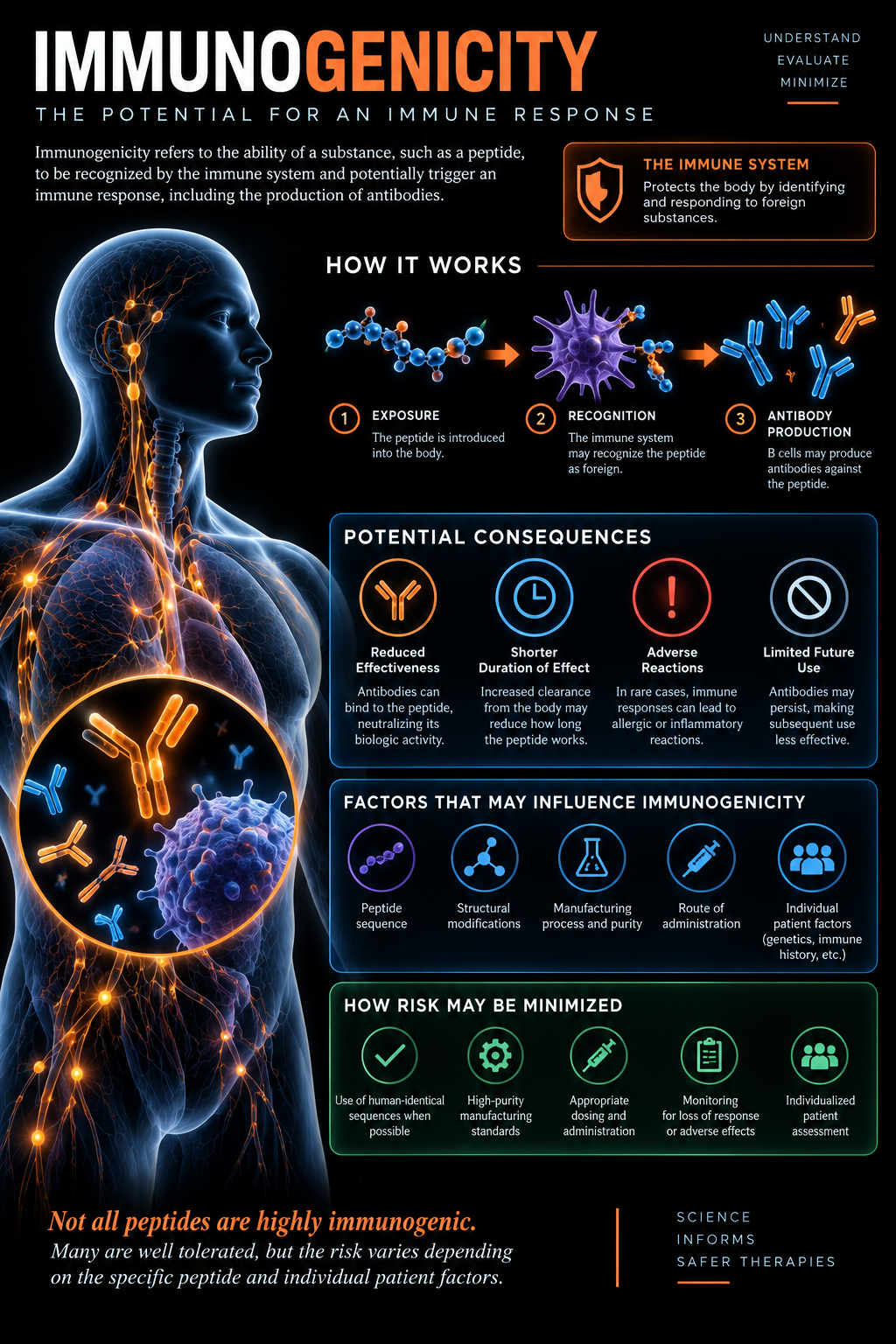
Immunogenicity: An Important Peptide-Specific Concern
Peptides can potentially stimulate immune responses. This is referred to as immunogenicity. Factors that can influence this risk include:
- Peptide structure
- Aggregation
- Impurities
- Manufacturing process
- Route of administration
- Formulation
FDA has specifically raised immunogenicity and impurity concerns for several bulk peptide substances used in compounding, including certain injectable peptides.
This illustrates why peptide quality and manufacturing matter—not just the name printed on a vial.
FDA-Approved vs. Compounded Peptides
This distinction is extremely important. Compounded medications are not FDA-approved. FDA does not review compounded drugs for safety, effectiveness or manufacturing quality before they are marketed in the same manner as FDA-approved medications. (U.S. Food and Drug Administration)
That does not mean all compounded medications are inappropriate. Compounding has legitimate roles in medicine when an individual patient’s needs cannot be met by an available FDA-approved product. However, patients should understand the difference.
What Does Compounding Mean?
Compounding generally involves preparing a medication tailored to an individual patient’s medical need. Depending on the circumstances, this may involve changing:
- Dose
- Formulation
- Delivery system
- Ingredients
Federal law places restrictions on the bulk substances that may be used in compounding under Sections 503A and 503B of the Federal Food, Drug, and Cosmetic Act. FDA continues to evaluate certain bulk substances and has identified significant safety concerns with some proposed compounds.
The legality and availability of a compounded peptide can therefore change as regulatory policy evolves.
Why Pharmacy Quality Matters
With compounded injectable medications, the quality of the pharmacy is especially important. Potential issues can include sterility, potency, purity, contamination, peptide degradation, aggregation and incorrect concentration.
Patients should know where their medication comes from and understand whether they are receiving an FDA-approved or compounded product. Peptide therapy purchased from unverified internet vendors or labeled “research use only” presents an entirely different level of concern.
“Research Use Only” Is Not the Same as a Prescription Medication
Many peptides can be purchased online from companies marketing them as laboratory research chemicals. These products may state: “Not for human consumption.”
A product being available for purchase online does not establish that it is appropriate, sterile, correctly dosed or safe for injection into a human being. Patients should be extremely cautious about self-administering peptides obtained through unregulated or research-chemical sources.
Does a Compounded Peptide Mean It Has Been Proven Effective?
No. Compounding describes how a medication is prepared. It does not establish effectiveness. A compounded medication may contain an ingredient with strong evidence, limited evidence or very little human evidence. The evidence for a therapy needs to be evaluated separately from its compounded status.
Why Human Studies Matter
Animal and laboratory research are essential to medical discovery. But many promising therapies fail when tested in humans. Reasons may include different biology, different metabolism, dose differences, unexpected toxicity, lack of meaningful clinical effect and poor pharmacokinetics.
For this reason, patients should understand whether claims about a peptide come from human clinical trials or preclinical research. The distinction is crucial.
Considering peptide therapy? R2 Medical Clinic offers physician-led peptide therapy evaluation in Denver, Wheat Ridge/Arvada and Castle Rock, built around individualized assessment of evidence, risk and clinical goals.
Schedule a consultation or call (720) 640-2333.
How Should a Patient Evaluate a Peptide Claim?
Before considering a peptide, ask: What is the exact peptide? What is the proposed mechanism? Has it been studied in humans? How many human studies exist? What clinical outcome was measured? Was the result clinically meaningful? What are the known risks? What remains unknown? Is the product FDA-approved? If compounded, why is compounding medically appropriate? What alternative treatments have stronger evidence?
Those questions are far more useful than simply asking: “Is this peptide good?”
Should Peptide Therapy Replace Conventional Treatment?
Generally, no. A peptide should not replace an established, evidence-based therapy simply because it sounds newer or more innovative. Treatment should begin with identifying and addressing the underlying etiology whenever possible.
For example, recovery from a musculoskeletal injury may still require an accurate diagnosis, physical therapy, appropriate loading and rehabilitation, surgical evaluation when necessary, and time. Likewise, body-composition goals still require attention to nutrition, adequate protein intake, resistance training, sleep, metabolic health, and other contributing factors.
Hormonal factors may also contribute to symptoms, changes in body composition, sexual dysfunction, energy, or other health concerns. When a clinically significant hormonal etiology is identified, appropriate hormone therapy or other established treatment should be considered based on the patient’s symptoms, medical history, laboratory findings, risks, and treatment goals rather than substituting peptide therapy for treatment of the underlying hormonal condition.
Peptide therapy, when appropriate, should therefore be viewed as one potential component of a broader, individualized treatment plan—not as a replacement for appropriate diagnosis, lifestyle interventions, hormone therapy when indicated, or other established medical treatments.
Who May Not Be an Appropriate Candidate?
Contraindications vary by peptide. Potential concerns can include pregnancy, breastfeeding, active malignancy, certain endocrine disorders, significant liver or kidney disease, uncontrolled metabolic disease, specific medication interactions and other medical conditions.
Because peptides act through different pathways, there is no universal contraindication list for “peptide therapy.” Each compound requires its own risk assessment.
How Should Peptide Therapy Be Monitored?
Monitoring should depend on the peptide and the reason it is being used. Possible monitoring may include symptoms, treatment response, adverse effects, blood pressure, blood glucose, hormonal markers, metabolic markers and other peptide-specific laboratory testing.
Monitoring should answer two basic questions: Is the treatment producing a meaningful benefit? And is it causing harm? If there is no meaningful benefit, continued treatment should be reconsidered.
What If I Feel Better on a Peptide?
Patient-reported improvement matters. But it should still be interpreted carefully. Symptoms can change because of natural recovery, placebo effects, simultaneous lifestyle changes, other medications, training changes, improved sleep and time.
Clinical improvement is important, but it does not by itself prove a particular biological mechanism. That is why evidence and clinical response should both be considered.
What If There Are No Human Studies?
Then the uncertainty should be stated plainly. It may be scientifically reasonable to discuss a peptide with promising preclinical research. But the patient should understand that human effectiveness may be unknown, optimal dosing may be uncertain, short-term safety may not be well established, and long-term risks may be unknown.
Informed consent means understanding not only what we know—but also what we do not know.
Is Peptide Therapy “Natural”?
Not necessarily. Some peptides are identical or similar to compounds naturally produced by the human body. Others are modified or synthetic. And even if a molecule occurs naturally, administering it pharmacologically can produce effects very different from normal physiologic production.
The term “natural” should not be used as a substitute for evidence of safety.
Is Peptide Therapy Safe?
There is no single answer because peptide therapy is not one treatment. Some FDA-approved peptide medications have extensive safety information. Other peptides have much more limited human data.
Safety therefore depends on which peptide is used, why it is used, dose, route, patient characteristics, medication quality, pharmacy quality, monitoring and duration of treatment. The more limited the evidence, the greater the uncertainty.
Peptide Therapy Requires More Than Enthusiasm
Peptide therapeutics are a legitimate and rapidly developing area of medicine. They are also an area where scientific promise, clinical evidence and marketing claims are frequently mixed together. That makes careful evaluation especially important.
At R2 Medical Clinic, our approach is: identify the clinical goal → evaluate the specific peptide → review the quality of human evidence → understand FDA and compounding status → discuss potential benefits and known risks → acknowledge what remains unknown → monitor treatment response and safety.
The goal is not to label peptides as universally good or bad. It is to evaluate each therapy on its own merits. Some peptide medications have strong evidence and established medical applications. Others remain promising but incompletely studied. Still others may have far more marketing behind them than human clinical evidence.
Good peptide medicine begins by knowing the difference. If you would like an evaluation, schedule a consultation at any of our three Denver-metro locations.
Related Peptide Therapy Resources
Peptide Therapy for Body Composition and Recovery: What Does the Science Actually Show?
Your Health Is More Than a Subscription: Why Quality Medical Care Matters
Frequently Asked Questions About Peptide Therapy
Are peptides FDA-approved?
Are compounded peptides FDA-approved?
Does that mean compounded peptides are illegal?
Are peptides steroids?
Can peptides build muscle?
Can peptides help injuries heal faster?
Are peptides safe because they are made from amino acids?
Are peptide side effects permanent?
Should peptides be taken indefinitely?
Can peptides replace exercise and nutrition?
How can I tell if a peptide has good evidence?
About the Medical Reviewer
Erik Natkin, DO, is the founder of R2 Medical Clinic, a physician-led medical practice serving Denver, Wheat Ridge/Arvada and Castle Rock, Colorado. His clinical practice includes individualized hormone optimization, physician-supervised medical weight management, peptide therapy and other areas of wellness medicine.
This article is intended for educational purposes and does not constitute individualized medical advice. Some peptide therapies discussed in medical and wellness settings are investigational, compounded or not FDA-approved for a particular use. Potential benefits, risks, evidence quality and regulatory status vary substantially by specific peptide. Treatment decisions should be individualized between a patient and a qualified healthcare professional.
Medical References
- Wang L, et al. Therapeutic Peptides: Current Applications and Future Directions. Signal Transduction and Targeted Therapy. 2022.
- Mayfield CK, et al. Injectable Peptide Therapy: A Primer for Orthopaedic and Sports Medicine Physicians. American Journal of Sports Medicine. 2026.
- U.S. Food and Drug Administration. Compounding and the FDA: Questions and Answers.
- U.S. Food and Drug Administration. Certain Bulk Drug Substances for Use in Compounding May Present Significant Safety Risks.
- U.S. Food and Drug Administration. Bulk Drug Substances Used in Compounding Under Section 503A of the FD&C Act.
- Naik R, et al. Review of Clinical Pharmacology Information for Peptides Found in US FDA Drug Labeling. Journal of Clinical Pharmacology. 2025.