Erectile Dysfunction Isn’t Always About Testosterone
Why ED is more than a testosterone problem: hormones, the autonomic nervous system, blood flow, nerves, medications and anxiety, and how a full evaluation guides treatment.
Erik Natkin, DO • 30 min read
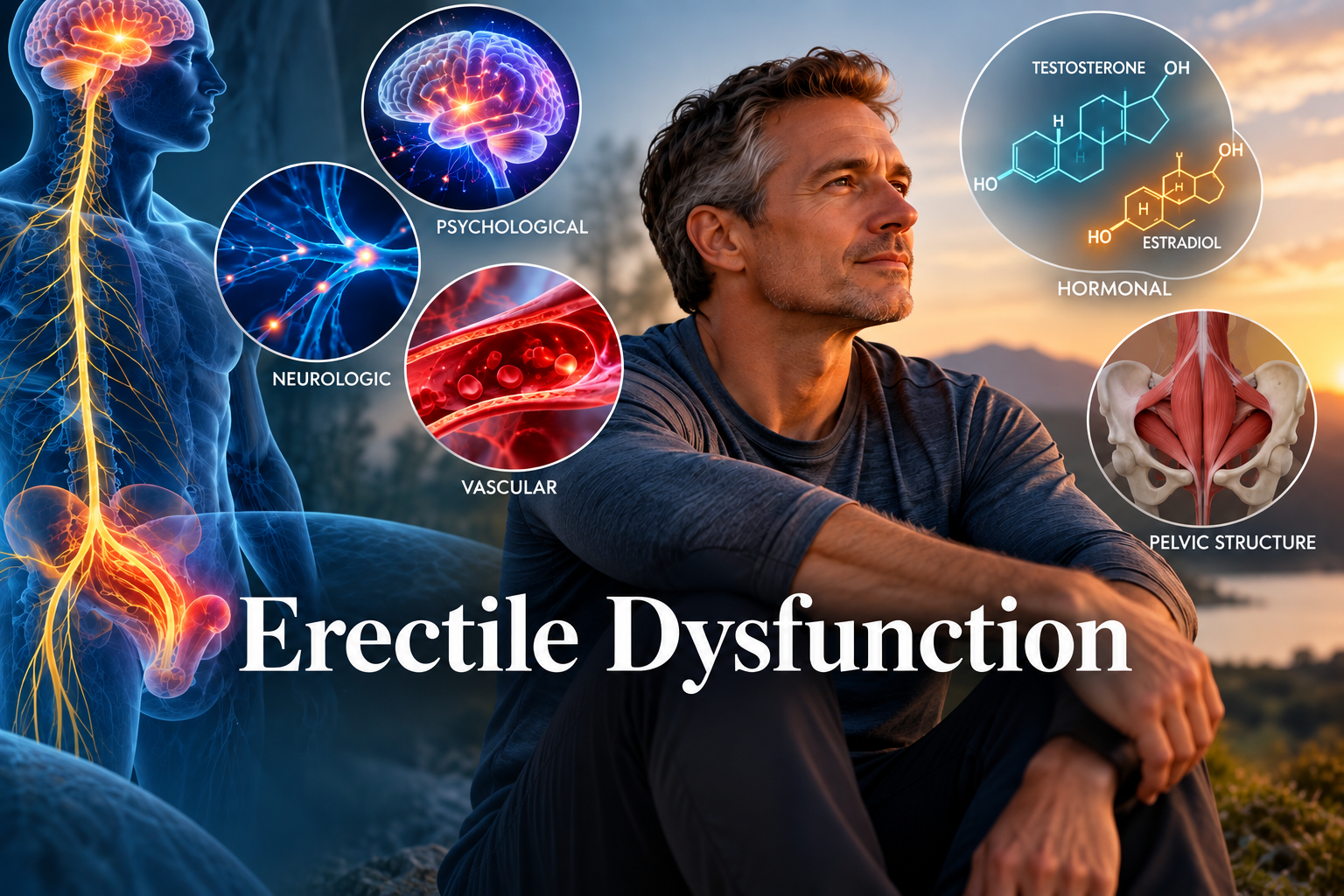
Medically reviewed by Erik Natkin, DO — Founder, R2 Medical Clinic, Denver, Colorado
Last medically reviewed: October 2026
When a man develops erectile dysfunction, one of the first questions he may ask is:
“Is my testosterone low?”
Sometimes it is.
But testosterone is only one part of male sexual physiology—and it is not the only hormone that matters.
Testosterone, estradiol, prolactin, thyroid hormones, and other endocrine signals can all influence sexual function. At the same time, erectile function depends on much more than hormones.
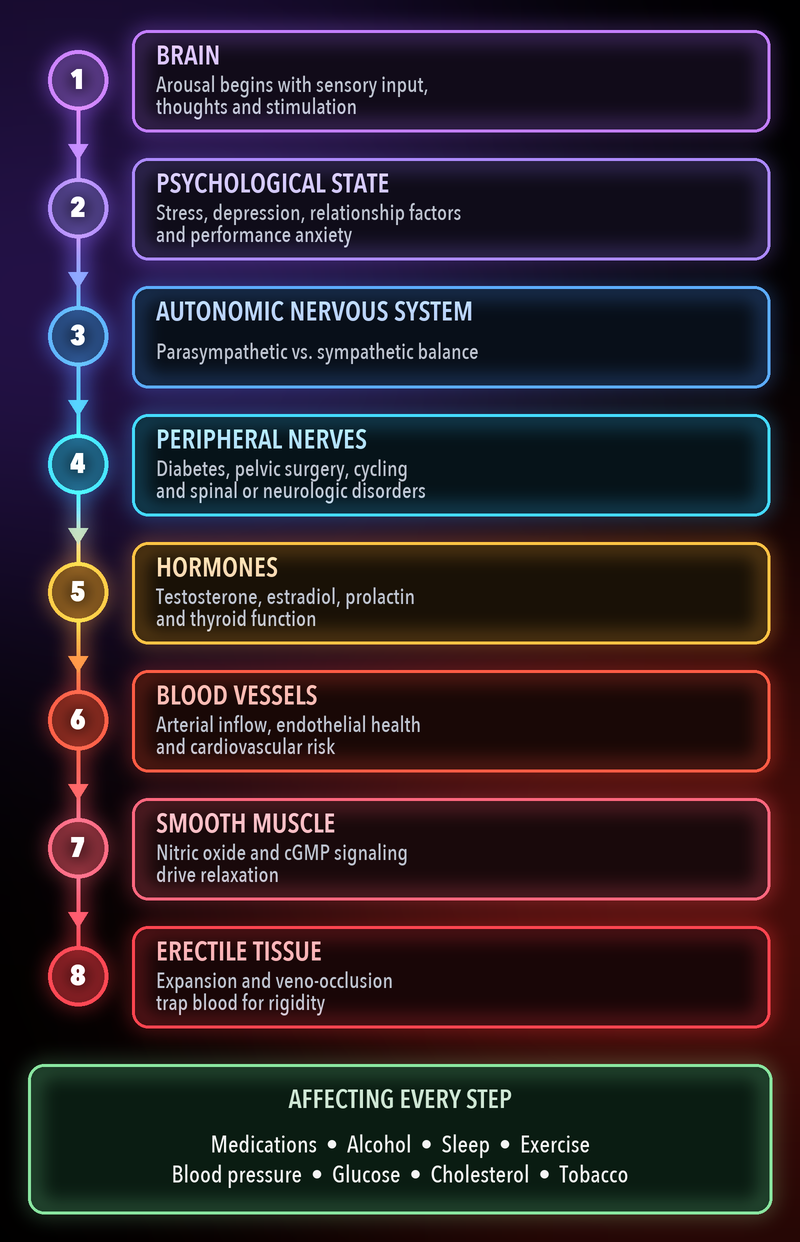
A normal erection requires coordinated interaction between the brain, psychological state, autonomic nervous system, peripheral nerves, hormones, blood vessels, smooth muscle, and erectile tissue.
A problem anywhere within that system can interfere with erectile function.
This is why some men with low testosterone have relatively normal erections, while other men with completely normal testosterone levels struggle with significant erectile dysfunction.
It is also why simply increasing testosterone—or manipulating estrogen—does not necessarily correct ED.
Libido and Erectile Function Are Not the Same Thing
One of the most important distinctions in evaluating sexual dysfunction is the difference between sexual desire and erectile function.
Libido describes sexual interest or desire.
Erectile function is more complex.
Sexual arousal begins in the brain, where sensory input, sexual thoughts, emotions, relationship dynamics, stress, anxiety, and previous experiences can influence the signals that ultimately produce an erection.
Those signals travel through the nervous system and trigger vascular changes within the penis that increase blood flow and produce rigidity.
Hormones influence this entire system, but they are only one component.
These are related problems, but they are not interchangeable.
Importantly, erectile dysfunction should not always be divided neatly into either “physical” or “psychological.”
A man can therefore have:
- Low libido with normal erections
- Normal libido with poor erections
- Both low libido and erectile dysfunction
- Normal testosterone with erectile dysfunction
- Low testosterone without significant erectile dysfunction
- Hormonal abnormalities involving estradiol, prolactin, or thyroid function that affect sexual function
In many men, the two interact.
A mild physical change in erectile function can create performance anxiety. That anxiety can change autonomic nervous-system activity, making an erection more difficult to obtain or maintain. The next unsuccessful experience can then increase anxiety further, creating a self-reinforcing cycle.
What Actually Creates an Erection?
Although erections involve many systems, the final physical response requires a coordinated neurologic and vascular sequence.
Sexual stimulation may begin with touch, visual stimulation, thoughts, emotional connection, or other forms of arousal.
The brain processes these signals and, when conditions favor sexual arousal, sends signals through the autonomic nervous system to the erectile tissue.
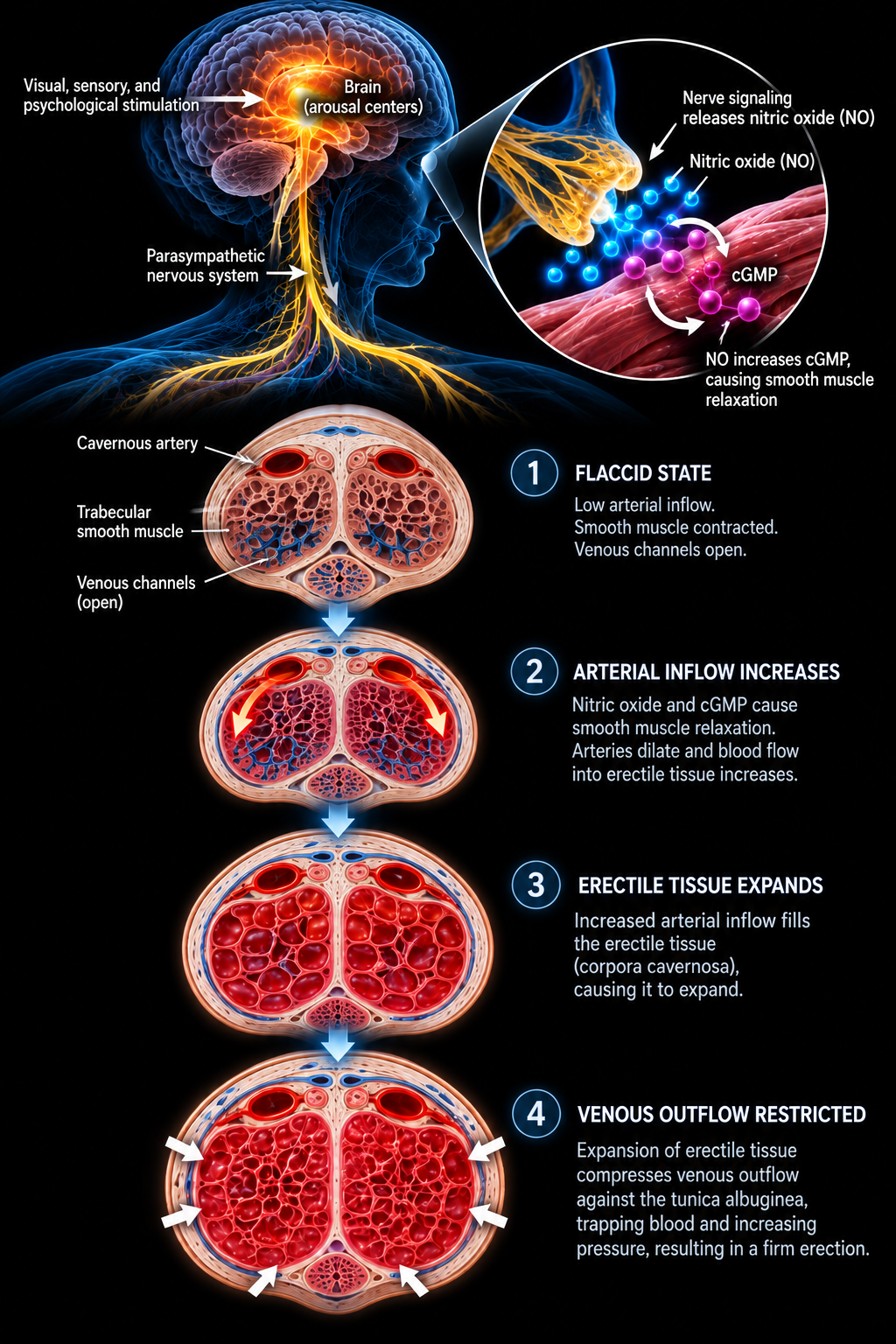
Within the penis, nerve signaling promotes the release of nitric oxide (NO).
Nitric oxide activates signaling pathways that increase cyclic guanosine monophosphate, commonly abbreviated cGMP.
This causes smooth muscle within penile arteries and erectile tissue to relax.
But this process does not occur independently of the brain or autonomic nervous system.
Understanding the balance between the parasympathetic and sympathetic nervous systems helps explain why.
As those tissues relax:
Arterial blood flow increases → erectile tissue expands → venous outflow becomes restricted → pressure rises → the erection becomes firm.
Parasympathetic vs. Sympathetic: The Autonomic Balance of Sexual Function
The autonomic nervous system regulates many processes that occur without conscious control, including heart rate, blood pressure, digestion—and important aspects of sexual function.
Both are necessary for normal sexual function.
But they perform different roles.
It has two major divisions relevant to erections:
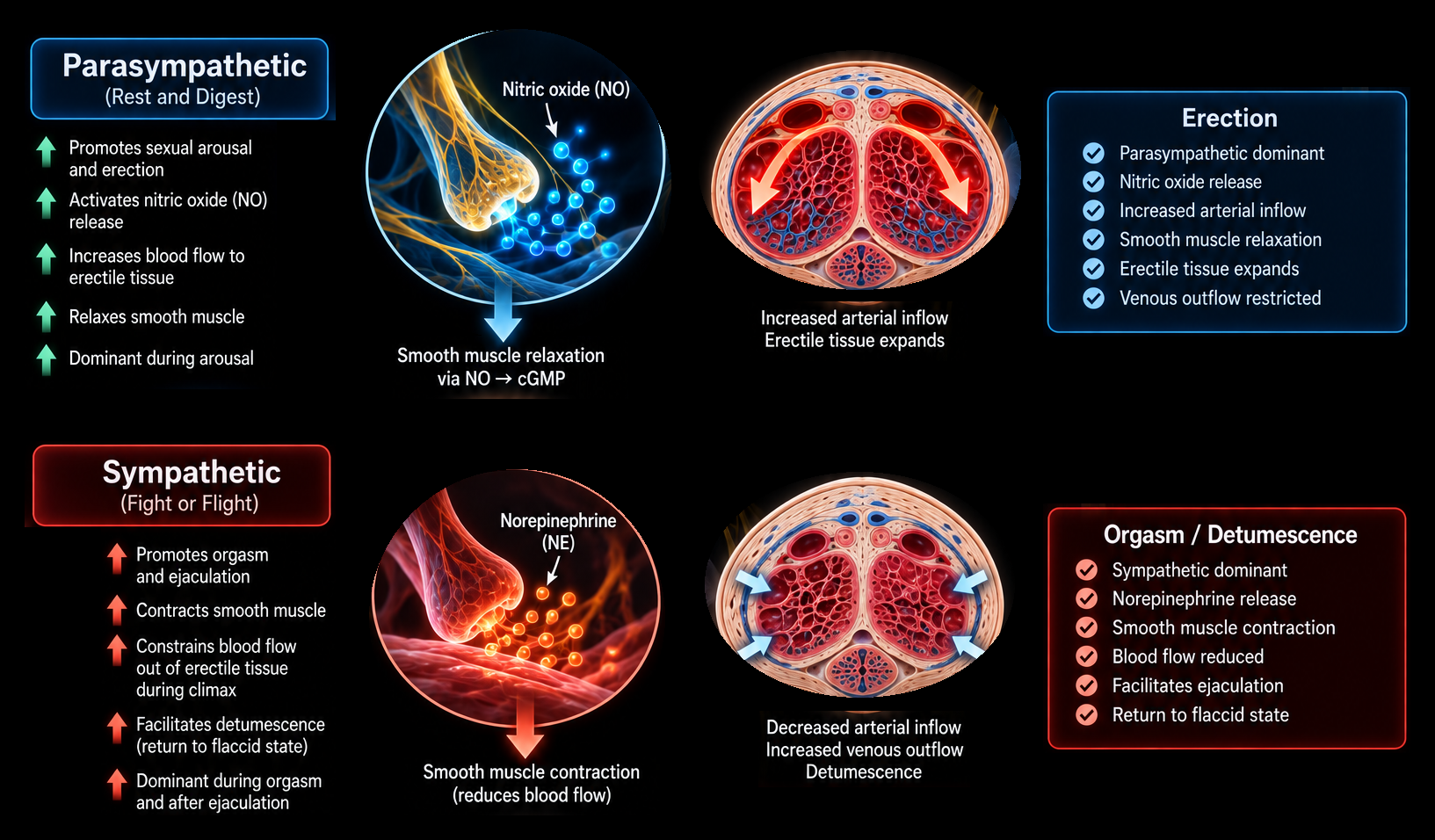
The parasympathetic nervous system is generally associated with rest, relaxation, recovery, and conservation of energy.
The sympathetic nervous system becomes more active during stress, exertion, fear, excitement, and the classic “fight-or-flight” response.
Parasympathetic Activity Helps Promote an Erection
Parasympathetic signaling plays an important role in initiating and maintaining an erection.
During sexual arousal, parasympathetic pathways originating from the sacral spinal cord help activate nerves supplying the erectile tissue.
This promotes nitric oxide signaling and relaxation of smooth muscle within the penile arteries and corpora cavernosa.
The result is increased penile blood flow.
As the erectile tissue fills and expands, venous outflow becomes compressed, helping trap blood within the penis and maintain rigidity.
In simplified terms:
Parasympathetic activity favors the vascular conditions necessary for an erection.
This is one reason erections generally occur more easily when someone feels comfortable, engaged, relaxed, and sexually stimulated.
Sympathetic Activity Plays an Important Role in Ejaculation
The sympathetic nervous system has a different role in male sexual function.
As sexual stimulation progresses toward climax, sympathetic activity increases and contributes importantly to emission and ejaculation.
During emission, sympathetic pathways help coordinate contraction of structures including the vas deferens, seminal vesicles, and prostate, moving seminal fluid into the posterior urethra.
Ejaculation then involves a coordinated reflex that includes sympathetic, parasympathetic, and somatic pathways.
Orgasm occurs alongside this process but is not simply a sympathetic reflex. It is a complex sensory and neurologic experience involving the brain, spinal cord, autonomic nervous system, and somatic nervous system.
A useful simplification is therefore:
Parasympathetic activity helps facilitate erection.
Increasing sympathetic activity helps coordinate emission and ejaculation.
Both systems are necessary—but the balance between them matters.
When the Two Systems Work Against Each Other
The sympathetic nervous system does not only become active during ejaculation.
It also becomes active during:
- Anxiety
- Fear
- Stress
- Embarrassment
- Pain
- Distraction
- Performance pressure
This creates an important connection between psychology and erectile physiology.
A man may be sexually interested in his partner and physically capable of having an erection.
But if he becomes anxious about his performance, his sympathetic nervous system may become increasingly activated.
That sympathetic activity can oppose some of the parasympathetic and vascular processes favoring erection.
Instead of the body remaining in a state conducive to penile smooth-muscle relaxation and blood filling, increasing sympathetic tone can favor smooth-muscle contraction and loss of erectile rigidity.
This creates a physiological paradox:
The harder someone consciously tries to maintain an erection, the more anxious he may become—and the sympathetic response generated by that anxiety may make the erection more difficult to maintain.
That is not simply “in his head.”
It is the brain changing autonomic nervous-system activity, which then changes vascular physiology.
Why Erections Often Decrease After Ejaculation
The changing balance between autonomic pathways also helps explain what happens as sexual activity progresses.
Early sexual arousal generally favors the neural and vascular pathways necessary for erection.
As stimulation increases toward ejaculation, sympathetic activity becomes increasingly important.
Following ejaculation and orgasm, the penis normally transitions toward detumescence, or loss of the erection.
Smooth muscle contracts, arterial inflow decreases, venous drainage resumes, and penile pressure falls.
This transition is part of normal male sexual physiology.
So the autonomic nervous system is not simply turning an erection “on” or “off.”
Different neural pathways become more or less prominent during different phases of the sexual response.
Why This Matters for Performance Anxiety
Performance anxiety provides perhaps the clearest example of how these systems can become mismatched.
A man experiences difficulty maintaining an erection once.
During the next sexual encounter, he begins thinking:
“Am I getting hard enough?”
“Am I going to lose it?”
“Is this going to happen again?”
Instead of focusing on sexual stimulation, he begins monitoring his performance.
Anxiety increases.
Sympathetic activity increases.
The physiological environment becomes less favorable for maintaining the erection.
The erection begins to decrease.
He notices.
His anxiety increases further.
And the cycle reinforces itself:
Concern about erection → sympathetic activation → weaker erection → more concern → greater sympathetic activation
The original episode may have had nothing to do with anxiety.
Perhaps he was tired.
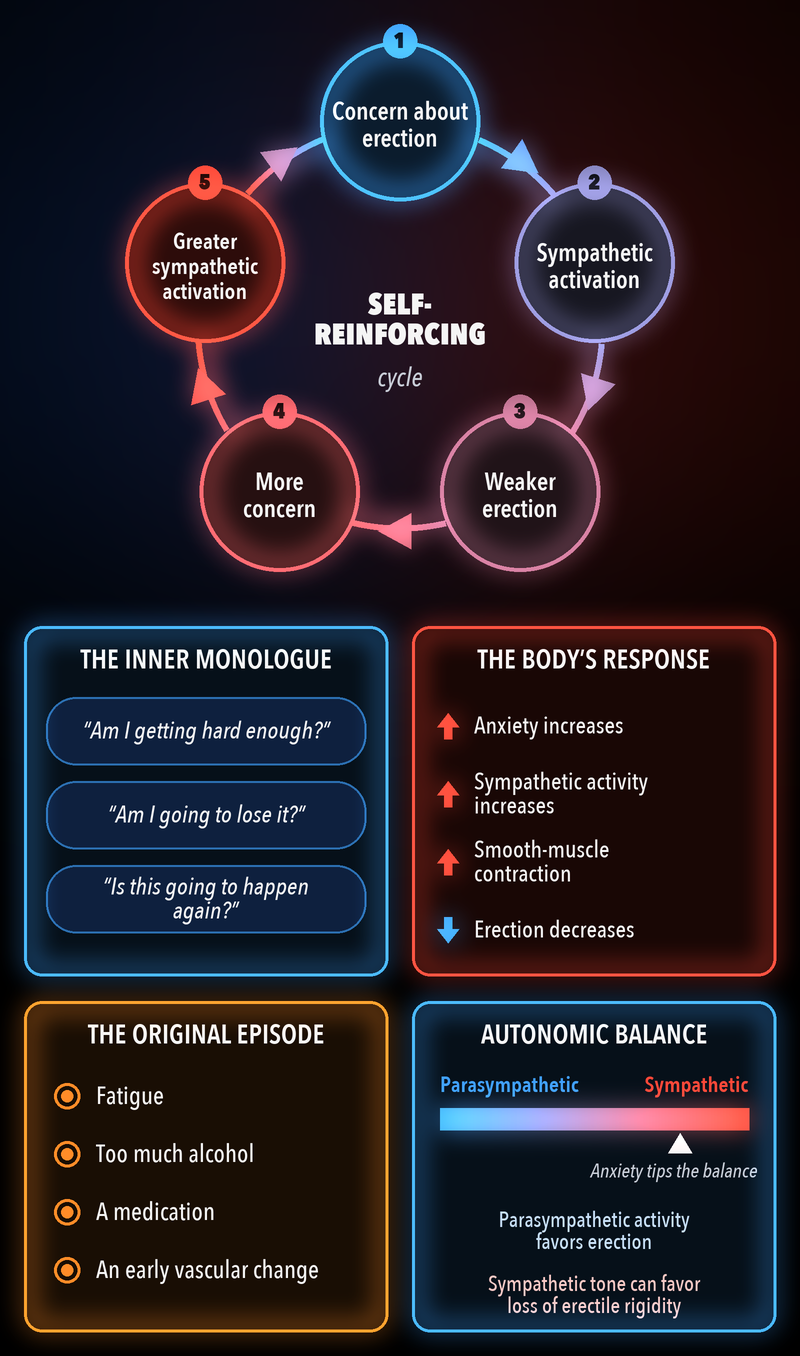
Perhaps he drank too much alcohol.
Perhaps a medication contributed.
Perhaps there was an early vascular change.
But after several unsuccessful experiences, performance anxiety itself can become an additional physiological contributor to ED.
This is why psychological and physical erectile dysfunction should not always be treated as completely separate categories.
They can feed directly into one another.
Hormones Matter—but Testosterone Is Not the Only Hormone
When evaluating male sexual dysfunction, testosterone frequently receives most of the attention.
That makes sense because testosterone is important for libido, sexual signaling, spontaneous erections, mood, energy, body composition, and other aspects of male health.
But male hormonal physiology is more complicated than a testosterone number.
Hormones should therefore be interpreted as part of an interconnected endocrine system rather than as isolated laboratory values.
Depending on the clinical situation, other hormones may also deserve consideration, including:
- Estradiol
- Prolactin
- Thyroid hormones
- Luteinizing hormone (LH)
- Follicle-stimulating hormone (FSH)
- Sex hormone-binding globulin (SHBG)
Estradiol Matters in Men Too
Estrogen is sometimes discussed as though it were exclusively a female hormone.
It is not.
Men normally produce estradiol, primarily through conversion of testosterone by the enzyme aromatase.
Estradiol has important physiological roles in men, including effects on:
- Sexual function
- Bone health
- Brain function
- Body composition
- Metabolic physiology
- Reproductive physiology
The relationship between estradiol and male sexual function is complex.
Higher estradiol levels have been associated with erectile dysfunction in some observational studies, but this does not establish that estradiol itself is always the cause. Obesity, increased aromatase activity, metabolic disease, lower testosterone, and other factors can occur at the same time.
At the opposite extreme, estradiol that is suppressed too aggressively may also negatively affect sexual function.
The goal therefore should not automatically be to lower estrogen.
It should be to understand the patient’s overall hormonal physiology.
Testosterone, Aromatase, and Estradiol
A portion of circulating testosterone is converted into estradiol through aromatization.
This means testosterone and estradiol should not always be viewed as opposing hormones.
They are biologically interconnected.
When testosterone levels increase, particularly during testosterone therapy, estradiol may also increase because more testosterone is available for aromatization.
That increase is not automatically pathological.
A laboratory value should be interpreted in the context of:
- Symptoms
- Testosterone concentration
- SHBG
- Body composition
- Medication use
- Testosterone dose and dosing frequency
- Overall clinical picture
Treating an estradiol laboratory number without considering the entire hormonal environment can oversimplify male endocrine physiology.
What About Aromatase Inhibitors?
Aromatase inhibitors reduce the conversion of testosterone into estradiol.
They can be appropriate in selected clinical situations, but they should not automatically be prescribed simply because estradiol increases during testosterone therapy.
Excessive suppression of estradiol may have consequences.
Estradiol contributes to bone metabolism and other aspects of male physiology, and very low estradiol may potentially contribute to changes in libido, sexual function, mood, or musculoskeletal health in some men.
For this reason, the objective should generally not be:
“Get estrogen as low as possible.”
Instead, hormonal treatment should attempt to maintain an appropriate physiologic balance while considering symptoms and the clinical situation.
Prolactin Can Affect Sexual Function
Prolactin is another hormone that can sometimes be overlooked.
Significantly elevated prolactin can suppress hypothalamic and pituitary signaling, potentially lowering testosterone production and affecting libido and sexual function.
Not every man with ED requires extensive prolactin testing.
But in the appropriate clinical setting—particularly when ED is accompanied by low libido or unexplained testosterone deficiency—prolactin may be relevant.
Hyperprolactinemia can occur for several reasons, including:
- Certain medications
- Pituitary disorders
- Hypothyroidism
- Other medical conditions
Thyroid Function Can Matter Too
Both hypothyroidism and hyperthyroidism have been associated with sexual dysfunction.
Again, this does not mean every case of ED is caused by thyroid disease.
It illustrates why reducing male sexual function to a single testosterone measurement can miss important physiology.
Thyroid abnormalities can influence:
- Energy
- Mood
- Metabolism
- SHBG
- Testosterone physiology
- Ejaculatory function
- Libido
- Erectile function
Erectile Dysfunction May Be a Vascular Problem
For many men, erectile dysfunction has an important vascular component.
A normal erection requires more than simply getting enough blood into the penis.
Problems with either process can cause erectile dysfunction.
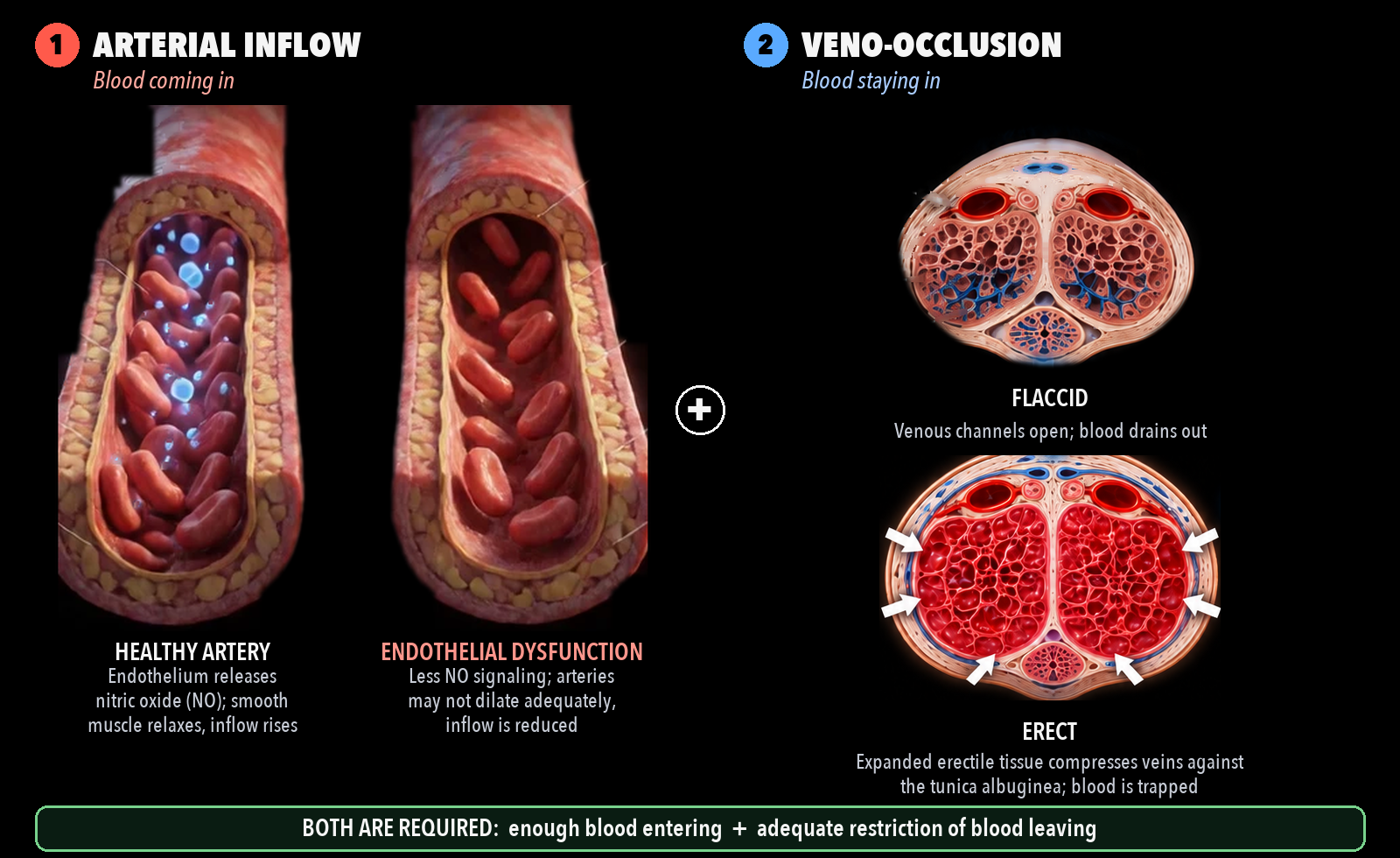
It requires two processes to work together:
- Adequate arterial inflow — enough blood must enter the penis.
- Adequate veno-occlusion — that blood must remain trapped within the erectile tissue long enough to maintain rigidity.
Arterial Blood Flow Into the Penis
During sexual arousal, nitric oxide signaling causes smooth muscle within the penile arteries and erectile tissue to relax.
This allows arterial blood flow into the corpora cavernosa to increase dramatically.
Conditions that impair vascular health can reduce this response.
Many of these conditions are associated with endothelial dysfunction.
The endothelium is the thin cellular lining inside blood vessels and plays an important role in vascular tone and nitric oxide signaling.
When endothelial function becomes impaired, the penile arteries may not dilate adequately during sexual stimulation.
These include:
- High blood pressure
- Diabetes
- Insulin resistance
- Elevated cholesterol
- Obesity
- Smoking
- Physical inactivity
- Atherosclerotic cardiovascular disease
The result may be an erection that develops slowly, never becomes completely firm, or cannot be achieved at all.
But getting blood into the penis is only half of the equation.
Keeping Blood in the Penis Is Equally Important
Once blood enters the corpora cavernosa, the erectile tissue expands.
As it expands, it compresses the small veins that normally drain blood from the penis against the surrounding tunica albuginea, the dense fibrous tissue surrounding the corpora cavernosa.
This is known as the veno-occlusive mechanism.
By restricting venous outflow, pressure builds within the corpora cavernosa and the penis becomes rigid.
In simplified terms:
Blood flows in → erectile tissue expands → veins are compressed → blood is trapped → rigidity increases.
If this veno-occlusive mechanism does not function properly, blood may enter the penis normally but leave too quickly to maintain adequate pressure.
This is commonly referred to as a “venous leak.”
A more precise term is veno-occlusive dysfunction.
What Does Veno-Occlusive Dysfunction Look Like?
A man with impaired arterial inflow may have difficulty developing an erection in the first place.
A man with veno-occlusive dysfunction may experience a somewhat different pattern.
He may be able to obtain an erection initially but have difficulty maintaining it.
These patterns can provide clues, but symptoms alone cannot reliably distinguish arterial insufficiency from veno-occlusive dysfunction.
The erection may:
- Become firm and then quickly soften
- Require continuous stimulation to remain rigid
- Lose rigidity when changing positions
- Be adequate initially but disappear before or during intercourse
The two can also occur together.
Is a “Venous Leak” Actually a Leaking Vein?
The term venous leak can be somewhat misleading.
It may sound as though there is simply a defective vein that needs to be closed.
In reality, normal erectile rigidity depends on the entire corporal veno-occlusive mechanism.
The erectile smooth muscle must relax appropriately, the corpora cavernosa must expand, and the subtunical veins must become sufficiently compressed against the tunica albuginea.
Abnormalities involving smooth-muscle function, structural changes within the erectile tissue, the tunica albuginea, or venous drainage can interfere with this process.
So the problem is often better understood as failure to adequately trap blood within the erectile tissue, rather than simply a vein that is “leaking.”
Arterial and Venous Function Work Together
The distinction between arterial inflow and veno-occlusion is useful, but these systems are not completely independent.
Strong arterial inflow helps expand the corpora cavernosa sufficiently to compress venous outflow.
If arterial inflow is inadequate, the erectile tissue may never expand enough to fully engage the veno-occlusive mechanism.
Likewise, excellent arterial inflow cannot produce a durable erection if blood cannot be adequately retained.
A successful erection therefore requires both:
Enough blood entering the penis + adequate restriction of blood leaving the penis.
This is why evaluating vascular erectile dysfunction sometimes requires looking beyond the simple question of whether a man has “good circulation.”
The issue may be blood coming in, blood staying in, or both.
Erectile Dysfunction Can Sometimes Be an Early Cardiovascular Warning Sign
This is one of the most important reasons erectile dysfunction should not automatically be treated as simply a hormonal problem.
ED and cardiovascular disease share many of the same risk factors and biological mechanisms, particularly vascular and endothelial dysfunction.
Research suggests that erectile dysfunction may precede clinically apparent cardiovascular disease by several years in some men.
This does not mean every man with erectile dysfunction has heart disease.
It means that new or unexplained erectile dysfunction—particularly in someone with cardiovascular risk factors—may provide an opportunity to look more carefully at overall metabolic and cardiovascular health.
Depending on the individual, evaluation may include:
- Blood pressure
- Glucose and hemoglobin A1c
- Lipid levels
- Smoking history
- Body composition
- Physical activity
- Family history
- Other cardiovascular risk factors
Sometimes the most important question is not simply:
“How do we improve the erection?”
It is:
“Why has erectile function changed?”
Blood Sugar and Insulin Resistance Matter
Diabetes is particularly important in erectile dysfunction because it can affect several components of normal erectile physiology simultaneously.
Chronically elevated glucose can contribute to:
- Endothelial dysfunction
- Vascular disease
- Oxidative stress
- Peripheral nerve injury
- Impaired nitric oxide signaling
A man with diabetes may therefore experience ED because of both vascular and neurologic dysfunction.
Insulin resistance, obesity, and metabolic syndrome may contribute even before someone develops overt diabetes.
These metabolic conditions can also influence testosterone and estradiol physiology.
This is another reason evaluating erectile dysfunction should extend beyond simply measuring testosterone.
Erectile Dysfunction Can Be Neurogenic
An erection requires more than healthy hormones and adequate blood flow.
The nervous system must first deliver the appropriate signals.
Sexual stimulation is processed within the brain, transmitted through the spinal cord, and ultimately carried through autonomic and peripheral neural pathways to the pelvis and erectile tissue.
Disruption anywhere along this pathway can contribute to neurogenic erectile dysfunction.
The location and severity of the neurologic problem can influence whether erections are absent, weakened, inconsistent, or preserved under some circumstances but not others.
Potential causes include:
- Spinal cord injury
- Multiple sclerosis
- Parkinson’s disease and other neurologic disorders
- Diabetic neuropathy
- Pelvic or spinal surgery
- Radical prostatectomy
- Pelvic trauma
- Peripheral nerve injury or compression
- Certain spinal disorders
The Pudendal Nerve and Pelvic Nerves
The pelvic region contains several neural pathways involved in sexual function.
The pudendal nerve carries important sensory information from the penis and perineum and provides somatic motor innervation to pelvic-floor muscles involved in sexual function.
Other autonomic pelvic nerves are responsible for much of the signaling that directly regulates penile smooth muscle and blood flow.
This distinction is important because erectile function does not depend on a single “erection nerve.”
It depends on coordinated sensory, autonomic, and somatic neural pathways.
Can Cycling Contribute to Erectile Dysfunction?
Traditional bicycle saddles can place substantial pressure on the perineum—the area between the genitals and anus.
Depending on riding position, saddle design, duration, and individual anatomy, this pressure may compress structures traveling through the perineal region, including pudendal neural and vascular structures.
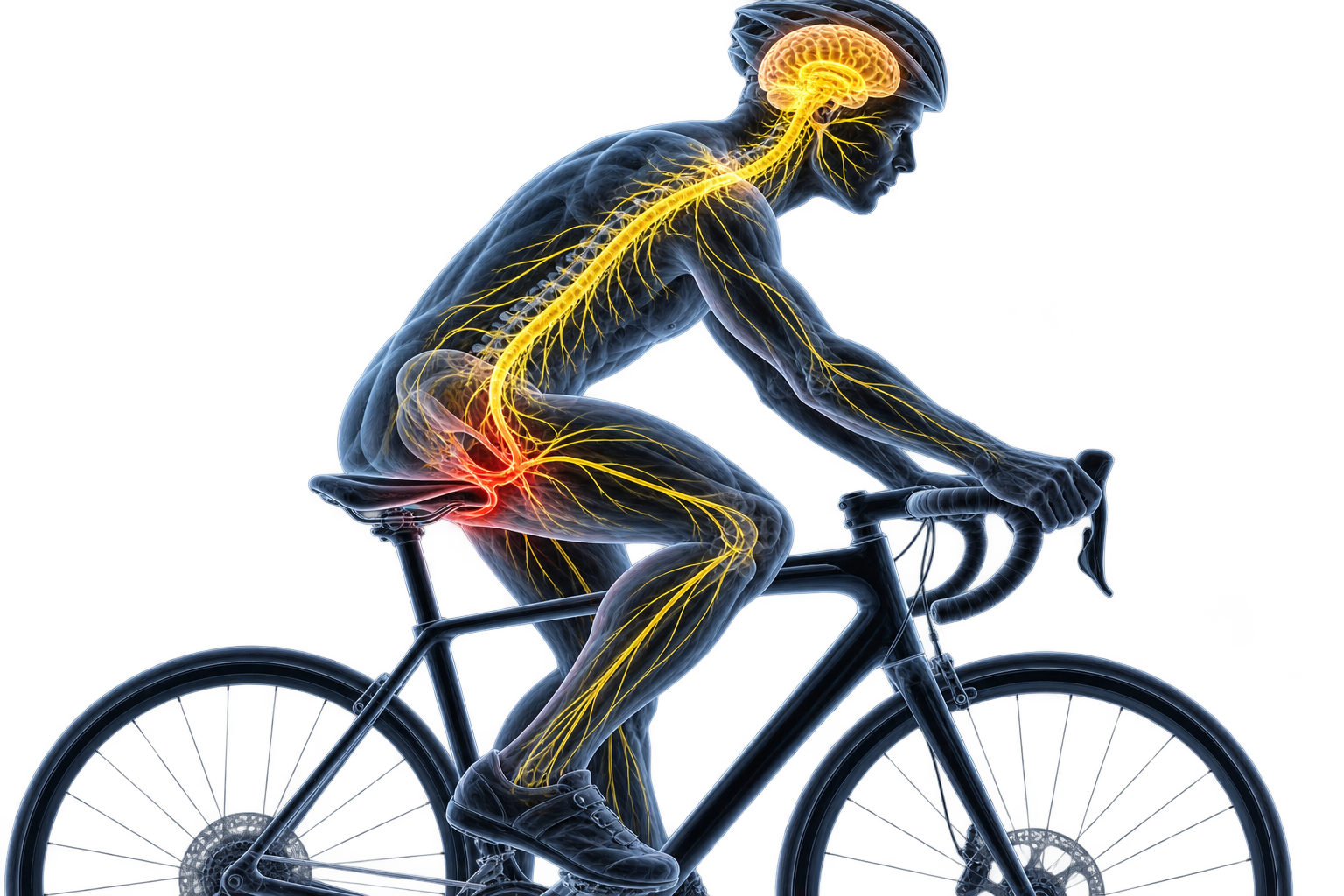
Some cyclists experience temporary:
- Penile numbness
- Perineal numbness
- Tingling
- Altered genital sensation
- Erectile difficulties
Numbness during or after cycling should not simply be considered a normal consequence of riding. It suggests that significant pressure is being placed on neurovascular structures.
In many cases symptoms are temporary, but repeated or prolonged compression may potentially contribute to persistent problems.
Saddle design, bicycle fit, riding position, time spent continuously seated, and periodically standing on the pedals can influence perineal pressure.
Pelvic Surgery Can Affect Erectile Nerves
Pelvic surgery provides another important example.
The autonomic nerves involved in erection travel through the pelvis in close proximity to structures such as the prostate.
During procedures such as radical prostatectomy, these nerves can be injured, stretched, inflamed, or otherwise affected even when nerve-sparing surgical techniques are used.
This is why erectile dysfunction can develop after prostate or other pelvic surgery even when testosterone levels and the penile vascular anatomy were normal before the procedure.
Recovery can vary considerably depending on the procedure, degree of nerve injury, age, preoperative erectile function, vascular health, and other factors.
Diabetes Can Affect Both Nerves and Blood Vessels
Diabetes demonstrates why erectile dysfunction often cannot be assigned to a single category.
Chronically elevated blood glucose can damage peripheral nerves while simultaneously contributing to endothelial dysfunction and vascular disease.
A man with diabetes may therefore have:
Reduced neural signaling + impaired arterial blood flow + impaired erectile tissue function
all occurring at the same time.
This overlap is one reason ED associated with longstanding diabetes can be more difficult to treat.
Neurogenic ED Does Not Necessarily Mean Complete Loss of Erections
Nerve dysfunction is not always all-or-nothing.
Depending on which pathways are affected, a man may retain some types of erections while having difficulty with others.
The pattern can sometimes provide clues about which portions of the neurologic pathway may be affected.
Ultimately, erectile function depends on communication between the brain, spinal cord, peripheral nerves, autonomic nervous system, pelvic structures, and blood vessels.
He may experience:
- Reduced penile sensation
- Delayed erectile response
- Difficulty achieving full rigidity
- Difficulty maintaining an erection
- Changes in ejaculation
- Changes in orgasm
- Different responses to physical versus psychological stimulation
Healthy blood vessels cannot produce a normal erection if the appropriate neurologic signals never reach them.
Stress, Depression, and Relationship Factors Matter Too
Performance anxiety is only one psychological contributor.
These factors can affect sexual desire, attention, arousal, autonomic nervous-system activity, and ultimately erectile function.
A man may therefore have normal testosterone, appropriate estradiol, healthy penile anatomy, and adequate vascular capacity yet still experience significant erectile difficulties under certain circumstances.
Erectile function may also be influenced by:
- Chronic stress
- Depression
- Generalized anxiety
- Relationship conflict
- Loss of emotional intimacy
- Previous negative sexual experiences
- Changes in sexual attraction or stimulation
- Work or financial stress
- Fatigue
- Poor sleep
Morning Erections Can Provide Useful Information
Spontaneous erections during sleep and upon awakening can sometimes provide clues about erectile physiology.
If a man continues to experience strong spontaneous or morning erections but consistently has difficulty during sexual activity, situational or psychological factors may deserve greater consideration.
Conversely, a progressive loss of spontaneous erections may increase suspicion for hormonal, vascular, neurologic, sleep-related, medication-related, or other physiologic contributors.
Morning erections alone cannot diagnose the cause of ED.
They are simply another piece of information that can help establish the overall pattern.
Medications Can Affect Erectile Function
Medication history is another important part of an ED evaluation.
Certain medications may contribute to sexual dysfunction in some patients.
Depending on the medication and individual response, these can include certain:
- Antidepressants
- Blood-pressure medications
- Opioids
- Antiandrogen medications
- 5-alpha-reductase inhibitors
- Sedatives and other centrally acting medications
Hormonal medications should also be considered.
Testosterone dosing, aromatase inhibitors, medications affecting prolactin, and other endocrine therapies can potentially alter sexual function.
Someone should not simply stop a prescribed medication because erectile dysfunction develops.
Instead, medications should be reviewed as one potential contributor within the larger clinical picture.
Alcohol Can Help Anxiety but Hurt Erections
Alcohol provides an interesting example of how psychological and physiological factors can pull in opposite directions.
A small amount of alcohol may decrease inhibition or anxiety in some individuals.
Chronic excessive alcohol consumption can also affect hormonal, neurologic, cardiovascular, and liver health.
So while alcohol may make someone feel psychologically more relaxed, it does not necessarily improve the physiology required for an erection.
Where Does Testosterone Therapy Fit?
In a man who truly has testosterone deficiency, restoring testosterone toward an appropriate physiologic range may improve:
- Libido
- Sexual interest
- Spontaneous erections
- Energy and well-being
- Erectile function in some men
But testosterone cannot necessarily correct significant arterial disease, diabetic neuropathy, medication effects, pelvic nerve injury, severe performance anxiety, relationship difficulties, or other causes of erectile dysfunction.
This explains something we commonly see clinically:
A man’s testosterone can be optimized while erectile dysfunction remains.
That does not necessarily mean testosterone therapy failed.
It may mean testosterone was only one component of the problem.
Likewise, changing estradiol levels without understanding the rest of the physiology may not solve the problem either.
Why ED Medications Work Differently Than Hormone Therapy
Phosphodiesterase type 5 inhibitors—commonly called PDE5 inhibitors (Tadalafil, Sildenafil, etc)—work much closer to the vascular mechanism responsible for penile rigidity.
During sexual stimulation, nitric oxide signaling increases cGMP within erectile tissue.
An enzyme called phosphodiesterase type 5 breaks down cGMP.
PDE5 inhibitors slow this breakdown, allowing the cGMP signal to persist longer and supporting smooth-muscle relaxation and penile blood flow.
They therefore work through a fundamentally different mechanism than testosterone therapy.
Importantly, these medications generally still require sexual stimulation.
They facilitate the body’s erectile response; they do not necessarily create sexual desire or eliminate psychological barriers to arousal.
This helps explain why a man can take an ED medication and still struggle with erections if severe anxiety, inadequate stimulation, relationship difficulties, or other factors interfere with sexual arousal.
PDE5 inhibitors also require appropriate medical evaluation because they are not suitable for everyone. In particular, combining them with nitrate medications can cause a dangerous decrease in blood pressure.
Hormonal Treatment and ED Treatment Can Sometimes Work Together
For men with both a hormonal abnormality and erectile dysfunction, treatment does not necessarily have to be an either-or decision.
Correcting clinically significant testosterone deficiency may address one component while another therapy addresses vascular erectile function.
Similarly, appropriate management of estradiol, prolactin, or thyroid dysfunction may be relevant in selected patients.
Medication may improve penile blood flow while addressing performance anxiety, metabolic health, sleep, medication effects, or other contributing factors improves another part of the problem.
The important point is that treatment should follow the underlying physiology rather than assuming every case of ED has the same cause.
Lifestyle Changes Can Affect Erectile Function
The same behaviors that influence cardiovascular and metabolic health can influence erectile function.
These interventions are not simply generic wellness advice.
Erectile function depends on vascular, metabolic, neurologic, hormonal, and psychological health.
Improving those systems may support erectile function while simultaneously improving broader health.
These include:
- Regular exercise
- Maintaining healthy body composition
- Improving blood-pressure control
- Improving glucose control
- Managing cholesterol
- Avoiding tobacco
- Limiting excessive alcohol
- Improving sleep
- Addressing obstructive sleep apnea when present
- Managing chronic stress
The Pelvic Floor May Also Play a Role
Pelvic-floor muscles contribute to normal erectile mechanics and help maintain penile rigidity by assisting with restriction of venous outflow.
Pelvic-floor dysfunction is not the cause of every case of ED, but appropriately performed pelvic-floor muscle training may benefit selected men.
This may be particularly relevant when erectile dysfunction occurs alongside certain urinary symptoms or following some pelvic conditions or procedures.
What If ED Medications Do Not Work?
Failure to respond to an ED medication does not automatically mean the condition is untreatable.
Sometimes correcting one of these factors changes the response.
For men who continue to experience ED, additional treatment options may include vacuum erection devices, intracavernosal injection therapy, pelvic-floor rehabilitation, selected device-based approaches, and penile prosthesis surgery for appropriate patients.
Several questions should be considered.
- Was the medication taken correctly?
- Was the dose appropriate?
- Was adequate sexual stimulation present?
- Were there medication interactions?
- Is significant vascular disease present?
- Is there testosterone deficiency?
- Could estradiol or another hormonal abnormality be relevant?
- Could neurologic dysfunction be contributing?
- Is performance anxiety interfering with sexual response?
- Is there an issue with pelvic-floor function?
What About Shockwave, PRP, Radiofrequency, and Other Regenerative Treatments?
Interest has increased in treatments that attempt to improve the underlying vascular or structural environment of erectile tissue rather than simply producing a temporary erection.
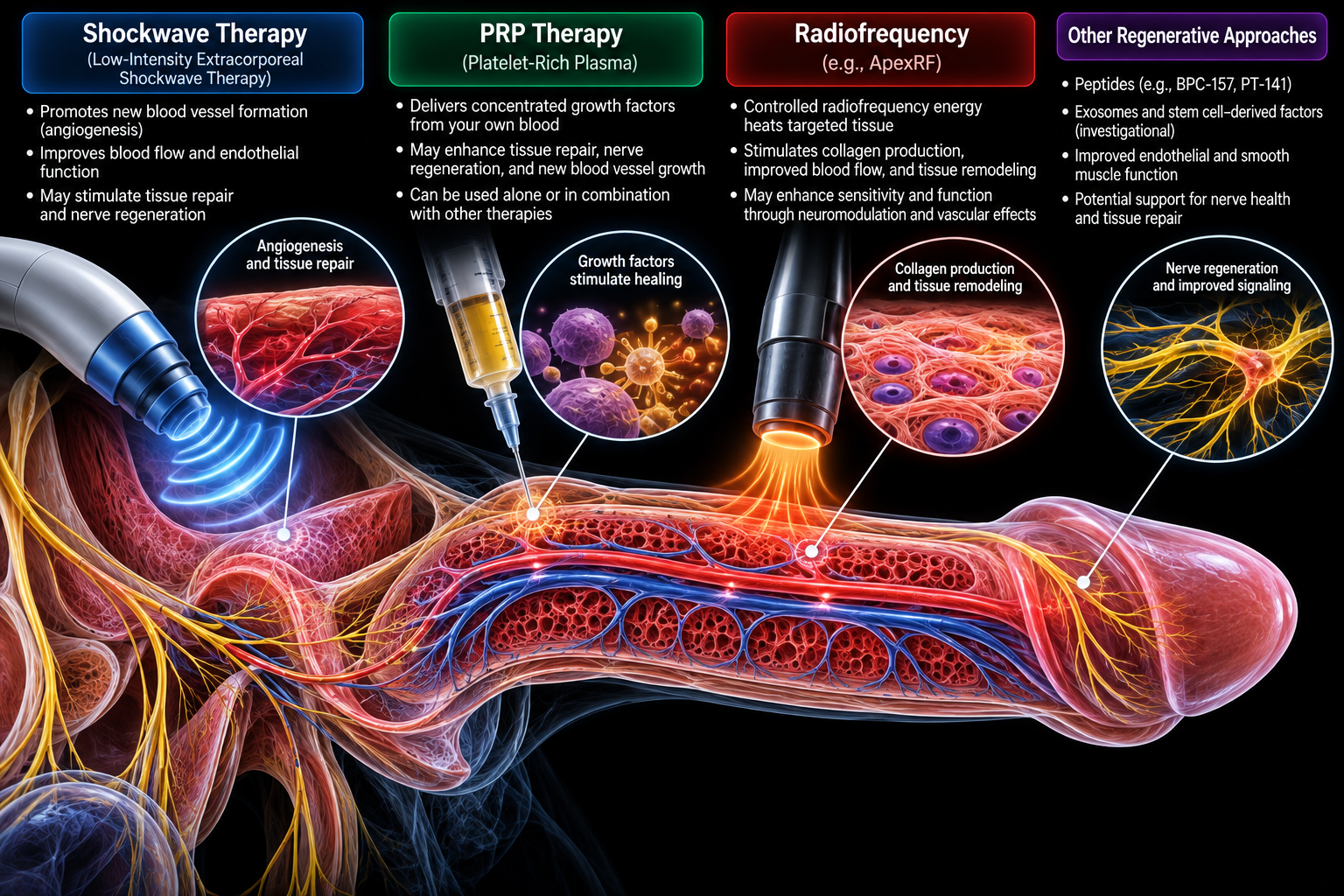
These approaches include low-intensity shockwave therapy, platelet-rich plasma (PRP), and more recently, radiofrequency (RF) therapy such as ApexRF.
The concept behind these treatments is different from medications such as PDE5 inhibitors. Rather than temporarily enhancing the nitric oxide-cGMP pathway during sexual activity, these therapies attempt to influence blood flow, tissue remodeling, or other aspects of erectile tissue health through potential healing process. So, not treating a symptom, rather potentially address and heal the underlying cause.
However, these treatments should not all be considered equivalent. Their mechanisms are different, and the amount and quality of clinical evidence supporting each approach also differs.
Low-Intensity Shockwave Therapy
Low-intensity shockwave therapy uses acoustic energy delivered to penile tissue.
It has been studied primarily in men with vasculogenic erectile dysfunction, with the proposed effects involving vascular signaling, tissue repair, and potentially the development or recruitment of small blood vessels.
Among the newer restorative approaches to ED, shockwave therapy currently has a larger published evidence base than PRP or penile radiofrequency therapy.
Results are not universal, treatment protocols vary, and patient selection appears to matter.
Platelet-Rich Plasma (PRP)
PRP uses a concentrated preparation of a patient’s own platelets, which contain growth factors and signaling molecules involved in tissue repair.
When used for male sexual health—sometimes referred to as a P-Shot—PRP is injected into penile tissue with the goal of supporting tissue healing, vascular function, and erectile response.
The biological rationale is interesting, but clinical evidence for PRP specifically for erectile dysfunction remains limited.
PRP should therefore be considered an investigational or emerging therapy for ED, rather than an established replacement for conventional treatments.
ApexRF: A New Radiofrequency Approach
A newer strategy uses controlled radiofrequency energy to heat targeted penile and perineal tissues.
ApexRF by InMode is one example of this approach.
Unlike shockwave therapy, which uses acoustic energy, ApexRF delivers controlled bipolar radiofrequency energy.
The proposed therapeutic concept involves several potentially relevant effects, including:
- Improvement in local circulation
- Thermal stimulation of tissue remodeling
- Collagen contraction and remodeling
- Changes in the structural environment of erectile tissue
This last point is particularly interesting when considering erectile physiology.
As discussed earlier, achieving an erection requires adequate arterial inflow, but maintaining an erection also requires the corpora cavernosa to expand sufficiently to compress venous outflow against the tunica albuginea.
Collagen and connective-tissue architecture therefore contribute to the structural mechanics involved in maintaining penile rigidity.
Radiofrequency therapy has a well-established history in other areas of medicine for controlled tissue heating and collagen remodeling. Its application specifically to erectile dysfunction, however, is relatively new.
Early clinical data are encouraging but preliminary. A small prospective pilot study presented in 2026 evaluated six weekly ApexRF treatments in men with organic or vasculogenic ED and reported improvement in erectile-function scores without reported adverse events in the initial cohort.
Much larger, controlled studies will be necessary to determine which patients are most likely to benefit, how durable improvements are, and how radiofrequency compares with established ED treatments.
Importantly, ApexRF is not currently FDA-cleared specifically for the treatment of erectile dysfunction. Its use for ED should therefore be discussed with patients as an emerging application of the technology rather than as an established or guaranteed treatment.
These Treatments Address Different Parts of the Problem
It can be tempting to group shockwave, PRP, and radiofrequency together as “regenerative” ED treatments, but they are not the same therapy.
Their proposed mechanisms differ:
Shockwave therapy primarily uses acoustic energy with the goal of influencing vascular and tissue-repair pathways.
PRP introduces platelet-derived growth factors and signaling molecules intended to support tissue repair.
ApexRF uses controlled thermal radiofrequency energy to influence circulation and tissue remodeling, including collagen architecture.
These approaches may eventually prove useful alone or in combination for selected patients, but the evidence continues to evolve.
Most importantly, none of them eliminates the need to understand why a patient has erectile dysfunction in the first place.
A treatment aimed at penile blood flow or tissue remodeling is unlikely to correct ED caused primarily by severe performance anxiety, significant testosterone deficiency, neurologic injury, medication effects, or another unrelated mechanism.
As with the rest of erectile dysfunction treatment:
The therapy should be matched to the underlying physiology rather than assuming every man with ED has the same problem.
A Better Way to Evaluate Erectile Dysfunction
Instead of beginning and ending with a testosterone level, evaluation should look at the entire system responsible for sexual function.
Depending on the individual, this may include assessment of:
Testosterone, estradiol, and when clinically appropriate, prolactin, thyroid function, SHBG, LH, FSH, or additional hormonal testing.
Blood glucose, insulin resistance, body composition, and related metabolic factors.
Blood pressure, cholesterol, smoking history, exercise capacity, family history, and overall cardiovascular risk.
Prescription medications, hormonal therapies, supplements, recreational substances, and alcohol use.
Neuropathy, spinal disease, pelvic surgery, trauma, or neurologic disorders.
Stress, depression, generalized anxiety, and performance anxiety.
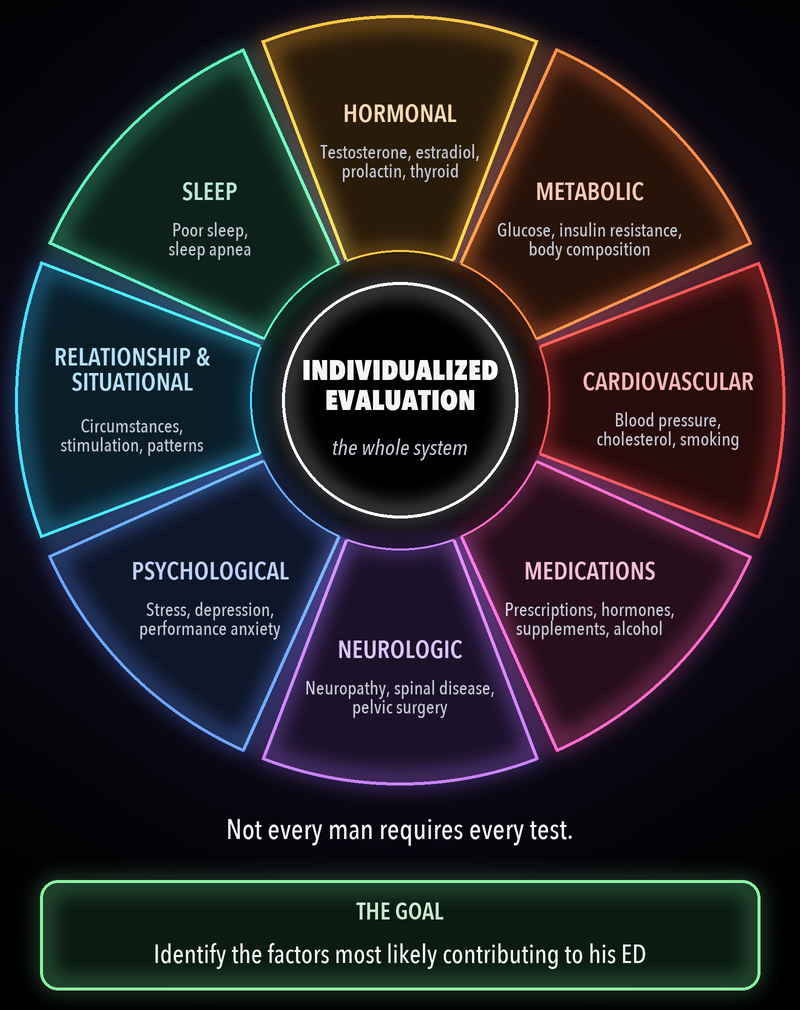
Changes in relationships, sexual circumstances, stimulation, and patterns of erectile difficulty.
Poor sleep and sleep apnea can affect hormonal, metabolic, cardiovascular, psychological, and sexual health.
The appropriate evaluation is individualized.
Not every man requires every test.
The goal is to identify the factors that are most likely contributing to that individual’s erectile dysfunction.
Related Men’s Sexual Health Resources
TRT & Estradiol: Why Men Need Estrogen and When Levels Matter
My Testosterone Is Normal—So Why Do I Still Have Symptoms?
Testosterone & Hormone Optimization for Men: A Physician’s Guide
TRT Bloodwork Explained: Testosterone, Free Testosterone, SHBG, Estradiol, Hematocrit, PSA & More
The Relationship Between High Blood Pressure and Erectile Dysfunction (ED)
How Platelet-Rich Plasma (PRP) Therapy Improves Erectile Function
Frequently Asked Questions
Can low testosterone cause erectile dysfunction?
Yes.
Testosterone deficiency can contribute to erectile dysfunction, particularly when accompanied by decreased libido, fewer spontaneous erections, and other symptoms of hypogonadism.
However, ED has many potential causes, and testosterone deficiency should not automatically be assumed to be the primary cause.
Does estrogen affect erections in men?
Potentially.
Estradiol is a normal and important male hormone. Both the hormonal environment associated with elevated estradiol and excessively suppressed estradiol may be relevant to sexual function in some men.
Estradiol should therefore be interpreted in context rather than assuming that lower is always better.
Should men on testosterone therapy automatically take an estrogen blocker?
No.
An increase in estradiol during testosterone therapy is not automatically a reason to prescribe an aromatase inhibitor.
Treatment decisions should consider symptoms, testosterone levels, estradiol, body composition, dosing, and the overall clinical picture.
Can I have erectile dysfunction with normal testosterone?
Absolutely.
Vascular disease, diabetes, neurologic problems, medications, psychological factors, relationship factors, pelvic-floor dysfunction, and other conditions can cause ED even when testosterone levels are normal.
Why did testosterone improve my libido but not my erections?
Because libido and erectile function are related but different processes.
Testosterone may improve sexual interest while vascular, neurologic, psychological, or medication-related factors continue to interfere with the ability to obtain or maintain an erection.
Can erectile dysfunction be psychological?
Yes.
Anxiety, depression, stress, relationship difficulties, and performance anxiety can significantly affect erectile function.
This does not mean the ED is imaginary.
Psychological factors can change autonomic nervous-system activity and produce genuine physiological changes that interfere with erection.
Why can anxiety make me lose an erection?
Anxiety activates the sympathetic nervous system.
Parasympathetic activity helps facilitate the smooth-muscle relaxation and vascular changes necessary for erection, while excessive sympathetic activity can oppose that process.
This is why worrying about maintaining an erection can paradoxically make maintaining it more difficult.
Why does an erection often go away after ejaculation?
As sexual activity progresses toward ejaculation, sympathetic activity becomes increasingly important. Following ejaculation and orgasm, the erectile tissues transition toward detumescence: smooth muscle contracts, arterial inflow decreases, venous drainage resumes, and the erection normally subsides.
Does erectile dysfunction mean I have heart disease?
No.
But erectile dysfunction and cardiovascular disease share many risk factors, and vascular ED can sometimes precede clinically apparent cardiovascular disease.
For some men—particularly those with new ED and cardiovascular risk factors—it may be appropriate to evaluate cardiovascular health more closely.
Can erectile dysfunction be treated even if my hormones are normal?
Yes.
Many effective ED treatments act through vascular, neurologic, mechanical, psychological, or other pathways rather than by changing hormone levels.
The Bottom Line
Testosterone is important for male sexual health.
So is estradiol.
And depending on the individual, prolactin, thyroid function, and other hormonal signals may also matter.
But erectile dysfunction is not simply a hormone problem.
Normal erectile function depends on an extraordinarily coordinated interaction between the:
Brain → psychological state → autonomic nervous system → peripheral nerves → hormones → blood vessels → smooth muscle → erectile tissue
Even within the autonomic nervous system, there is a changing balance:
Parasympathetic activity helps facilitate erection.
Sympathetic activity becomes increasingly important for emission and ejaculation.
Too much sympathetic activation at the wrong time—such as during anxiety or performance pressure—can interfere with the physiology required to maintain an erection.
A disruption anywhere within this larger system can affect erectile function.
Sometimes testosterone is part of the answer.
Sometimes another hormonal issue contributes.
Sometimes the problem is vascular.
Sometimes it is metabolic.
Sometimes it is neurologic.
Sometimes it is medication-related.
Sometimes psychological or relationship factors play a major role.
And frequently, several of these factors overlap.
Most importantly, erectile dysfunction can occasionally provide an early clue that something beyond sexual function deserves attention.
The goal should not simply be to produce a better erection.
The goal should be to understand why erectile function changed and address the underlying contributors whenever possible.
Erectile Dysfunction Evaluation at R2 Medical Clinic
At R2 Medical Clinic in Denver, Colorado, we take a comprehensive approach to men’s sexual health.
Evaluation may include testosterone and estradiol assessment, additional hormonal testing when clinically appropriate, metabolic and cardiovascular risk factors, medication review, lifestyle factors, psychological and situational contributors, and other potential causes of erectile dysfunction.
Treatment is individualized and may include hormone optimization when clinically appropriate, prescription ED medications, lifestyle interventions, and additional sexual-health therapies based on the patient’s needs and underlying physiology.
Erectile dysfunction is common—but it should not automatically be dismissed as aging or assumed to be a testosterone problem.
Understanding the cause is the first step toward choosing the right treatment.
References
- Kloner RA, Burnett AL, Miner M, et al. Princeton IV consensus guidelines: PDE5 inhibitors and cardiac health. Journal of Sexual Medicine. 2024;21(2):90–116.
- Bhasin S, Brito JP, Cunningham GR, et al. Testosterone Therapy in Men With Hypogonadism: An Endocrine Society Clinical Practice Guideline. Journal of Clinical Endocrinology & Metabolism. 2018;103(5):1715–1744.
- Burnett AL, Nehra A, Breau RH, et al. Erectile Dysfunction: AUA Guideline. Journal of Urology. 2018;200(3):633–641.
- Andersson KE. Mechanisms of penile erection and basis for pharmacological treatment of erectile dysfunction. Pharmacological Reviews. 2011;63(4):811–859.
- Dean RC, Lue TF. Physiology of penile erection and pathophysiology of erectile dysfunction. Urologic Clinics of North America. 2005;32(4):379–395.
- Giuliano F, Rampin O. Neural control of erection. Physiology & Behavior. 2004;83(2):189–201.
- Schulster M, Bernie AM, Ramasamy R. The role of estradiol in male reproductive function. Asian Journal of Andrology. 2016;18(3):435–440.
- Finkelstein JS, Lee H, Burnett-Bowie SAM, et al. Gonadal steroids and body composition, strength, and sexual function in men. New England Journal of Medicine. 2013;369:1011–1022.
- Inciardi RM, et al. Endothelial dysfunction, erectile deficit and cardiovascular disease: an overview of the pathogenetic links. Biomedicines. 2022.
- Dorey G, Speakman M, Feneley RCL, et al. Pelvic floor exercises for erectile dysfunction. BJU International. 2005.
Medically reviewed by Erik Natkin, DO
Founder & Medical Director
R2 Medical Clinic
This information is for educational purposes only and should not replace professional medical advice. Consult with a qualified healthcare provider before starting any treatment.
Reviewed 10/07/2026