Peptide Therapy for Body Composition and Recovery: What Does the Science Actually Show?
Patients frequently ask whether peptides can help reduce abdominal fat, preserve muscle during weight loss, improve exercise recovery, or accelerate healing
R2 Medical Clinic • 25 min read

Medically reviewed by Erik Natkin, DO — Founder, R2 Medical Clinic, Denver, Colorado
Last medically reviewed: October 2026
Introduction: Can Peptides Really Improve Body Composition and Recovery?
Peptide therapy has attracted increasing attention in hormone optimization, regenerative medicine, medical weight loss, and healthy aging.
Patients frequently ask whether peptides can help reduce abdominal fat, preserve muscle during weight loss, improve exercise recovery, or accelerate healing following an injury.
These are reasonable questions, particularly because body composition and recovery capacity often change with age.
As we get older, several physiological changes may occur:
- Skeletal muscle mass and strength gradually decline.
- Visceral abdominal fat becomes more common.
- Growth hormone secretion generally decreases.
- Muscle protein synthesis may become less responsive to dietary protein and exercise.
- Tendons and connective tissues may recover more slowly from injury.
- Chronic low-grade inflammation can interfere with normal tissue maintenance.
Certain peptides influence biological pathways involved in these processes.
Some stimulate growth hormone secretion, others have been investigated for connective tissue repair, and still others influence cellular signaling associated with inflammation or collagen production.
However, an important distinction must be made.
A peptide’s ability to influence a biological pathway does not necessarily mean it produces meaningful clinical benefits.
Some peptides have demonstrated measurable effects in randomized human clinical trials. Others remain supported primarily by animal studies, laboratory experiments, or theoretical mechanisms.
Understanding these differences is essential when evaluating peptide therapy.
What Are Peptides, and How Do They Work?
Peptides are chains of amino acids connected by peptide bonds.
Many naturally occurring peptides function as signaling molecules that help regulate communication between cells, tissues, and organs.
The human body produces numerous peptide hormones involved in metabolism, growth, appetite, immune function, and tissue maintenance.
Examples include insulin, glucagon, and growth hormone-releasing hormone.
Therapeutic peptides may mimic naturally occurring signaling molecules or interact with specific receptors to influence biological processes.
Their effects depend on factors such as molecular structure, receptor activity, dose, route of administration, and duration of exposure.
Importantly, being composed of amino acids does not automatically make a peptide safe.
Some peptides influence hormonal signaling, glucose regulation, cellular proliferation, or immune responses. Others may have poorly characterized effects or insufficient human safety data.
Understanding Body Composition: Fat Mass Versus Lean Body Mass
Before evaluating whether peptides improve body composition, it is important to understand what body composition actually measures.
Body weight alone provides limited information about metabolic health or physical function.
Two individuals may weigh exactly the same but have substantially different proportions of fat, muscle, and other tissues.
Body composition is commonly divided into two broad categories.
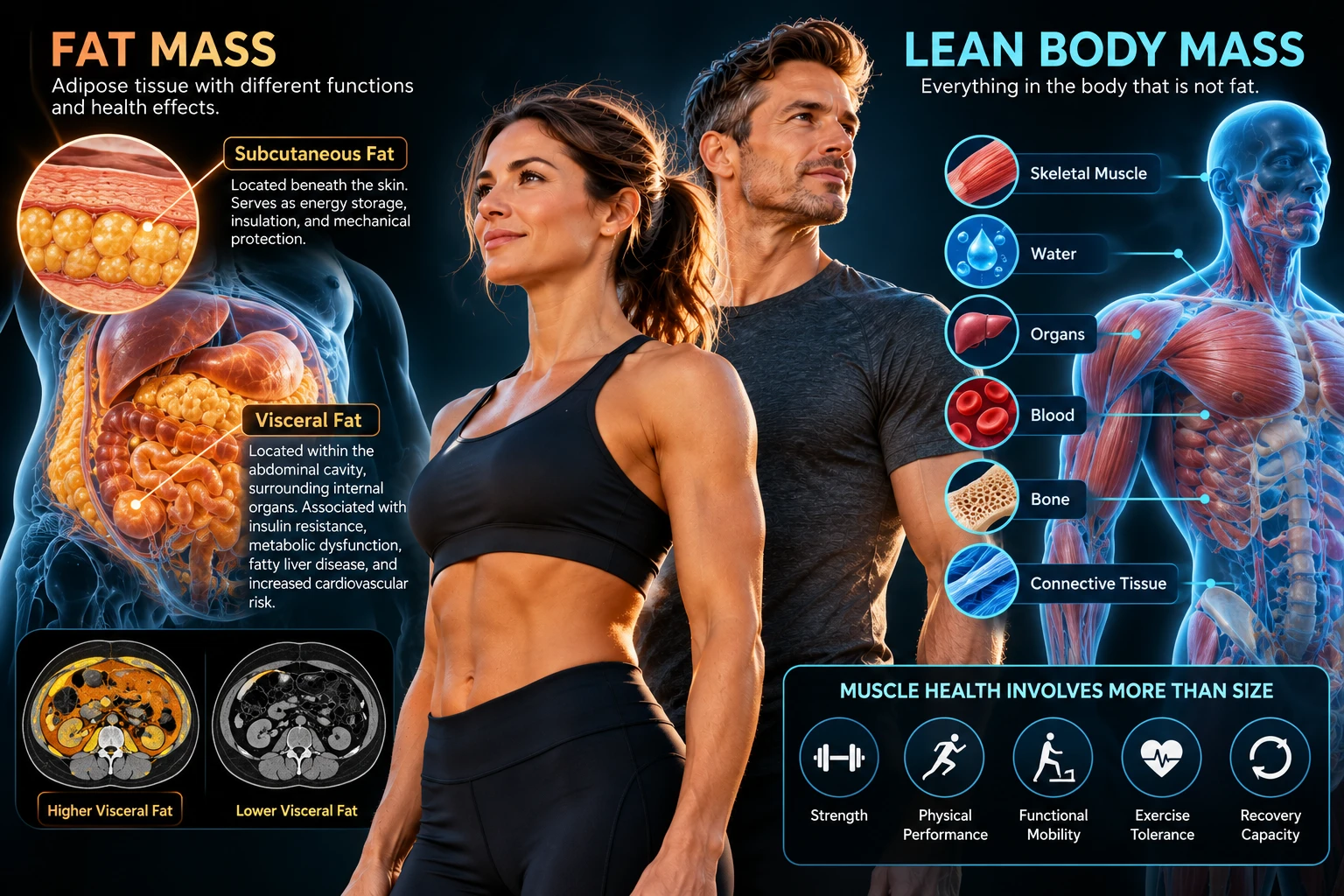
Fat Mass
Fat mass represents the body’s adipose tissue.
However, not all fat is metabolically equivalent.
Subcutaneous fat is located beneath the skin. It serves several physiological functions, including energy storage, insulation, and mechanical protection.
Visceral fat is located within the abdominal cavity, surrounding internal organs.
Excess visceral fat is particularly concerning because it is associated with insulin resistance, metabolic dysfunction, fatty liver disease, and increased cardiovascular risk.
Although visceral and subcutaneous fat often change together during weight loss, they do not always respond identically to treatment.
This distinction becomes especially important when evaluating peptides such as tesamorelin, which has demonstrated effects on visceral abdominal fat in specific clinical populations.
Lean Body Mass
Lean body mass includes everything in the body that is not fat.
This includes:
- Skeletal muscle
- Water
- Organs
- Blood
- Bone
- Connective tissue
Consequently, an increase in lean body mass does not necessarily indicate an increase in skeletal muscle.
For example, fluid retention can increase measured lean mass without improving muscle strength or physical performance.
This distinction is particularly important when interpreting studies involving growth hormone or peptides that stimulate growth hormone secretion.
Skeletal Muscle Versus Muscle Function
Skeletal muscle plays an important role in metabolic health, glucose disposal, mobility, and physical independence.
However, muscle quantity is only part of the equation.
Muscle quality and function are equally important.
Meaningful improvements in muscle health should ideally include changes in:
- Muscle strength
- Physical performance
- Functional mobility
- Exercise tolerance
- Recovery capacity
A treatment that increases lean body mass without improving strength or function may provide less benefit than the body composition measurements initially suggest.
How Peptides May Influence Body Composition: The GH–IGF-1 Connection
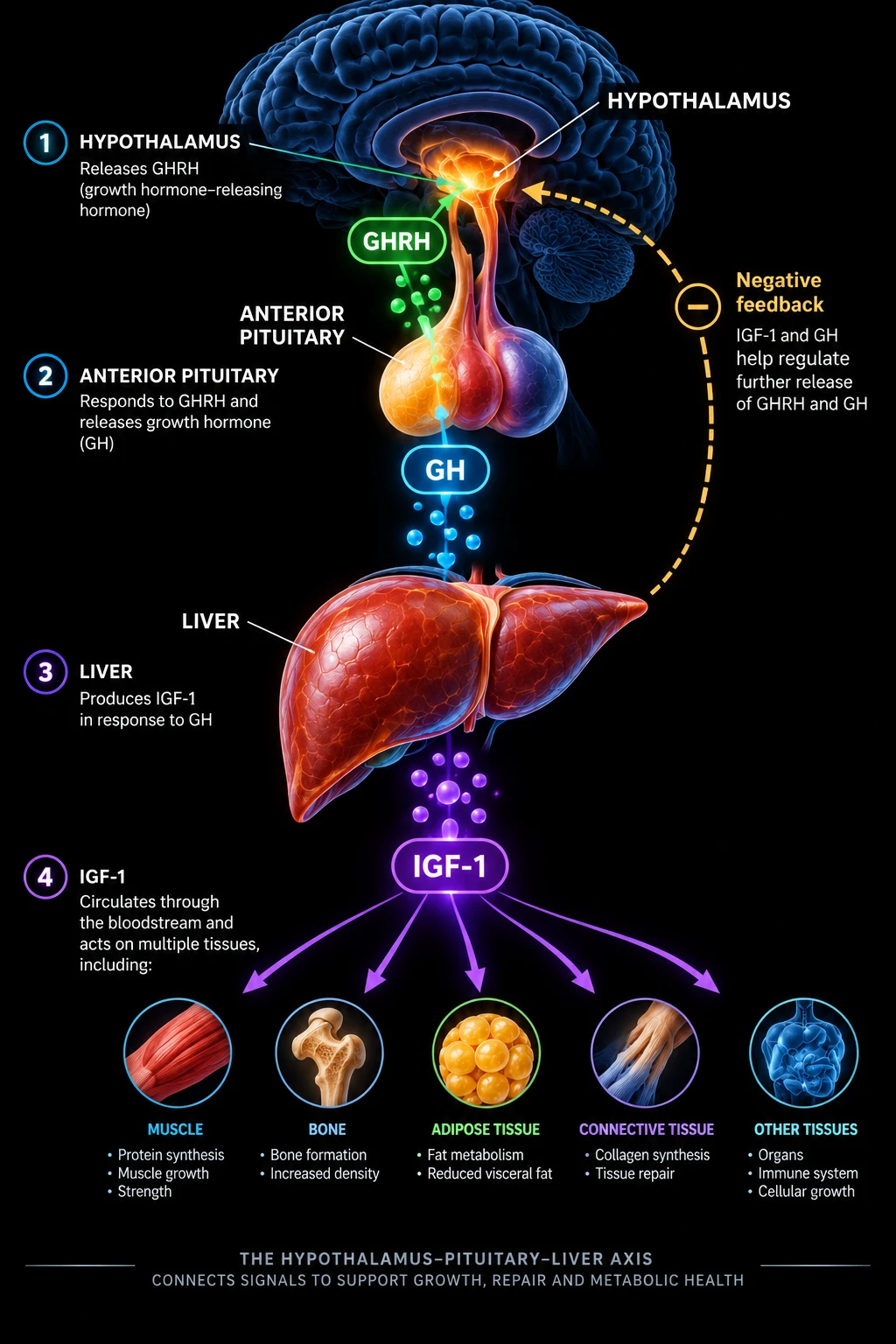
Several peptides investigated for body composition work by influencing the growth hormone–insulin-like growth factor-1 (GH–IGF-1) axis.
Growth hormone is released from the anterior pituitary gland and participates in metabolic regulation, fat utilization, and tissue maintenance.
One of its principal functions is stimulating the production of insulin-like growth factor-1 (IGF-1).
The liver produces most circulating IGF-1, although skeletal muscle, bone, cartilage, and other tissues also produce IGF-1 locally.
GH is the primary endocrine regulator of IGF-1 production, but local IGF-1 expression can also be influenced by mechanical loading and other tissue-specific signals.
Growth Hormone and Fat Metabolism
Growth hormone stimulates lipolysis within adipose tissue, promoting the breakdown of stored triglycerides into free fatty acids and glycerol. The released fatty acids can subsequently be utilized by tissues for energy production.
Although growth hormone stimulates the breakdown of stored triglycerides through lipolysis, this process is distinct from LDL cholesterol metabolism. LDL particles primarily transport cholesterol through the bloodstream, whereas lipolysis releases fatty acids from stored fat for energy utilization. Growth hormone can also influence LDL cholesterol levels through effects on hepatic lipid metabolism and LDL receptor activity. In adults with documented growth hormone deficiency, GH replacement may reduce LDL cholesterol, although responses vary. These effects should not be confused with reductions in body fat.
This effect is largely independent of IGF-1.
GH can also reduce insulin sensitivity and increase hepatic glucose production.
Therefore, increasing GH activity may influence fat metabolism while simultaneously creating potential concerns involving glucose regulation.
IGF-1 and Muscle Maintenance
Many anabolic effects associated with the GH–IGF-1 axis involve IGF-1 signaling.
IGF-1 participates in muscle protein metabolism, cellular growth, and tissue remodeling.
It also influences collagen remodeling, bone maintenance, DNA damage responses and repair pathways, and immunomodulation
However, higher circulating IGF-1 concentrations do not automatically translate into greater muscle strength or faster injury recovery.
Why Hormone Stimulation Does Not Guarantee Clinical Benefits
Growth hormone is secreted in pulses and has a relatively short circulating half-life of approximately 10–30 minutes.
In contrast, the half-life of IGF-1 varies considerably depending on its association with carrier proteins, ranging from approximately 10–20 minutes when unbound to 12–15 hours when bound to IGF-binding protein-3 (IGFBP-3) and the acid-labile subunit (ALS).
Peptides that stimulate GH secretion may therefore influence downstream IGF-1 concentrations.
However, the magnitude of a hormonal response does not necessarily predict the magnitude of a clinical benefit.
Increasing GH or IGF-1 is not the same as demonstrating improved fat loss, muscle preservation, strength, or recovery.
Tesamorelin: Evidence for Visceral Fat Reduction
Tesamorelin is a synthetic analog of growth hormone-releasing hormone (GHRH). It contains the same 44-amino-acid sequence as naturally occurring human GHRH, with a modification at its N-terminus that increases resistance to enzymatic degradation and improves its biological stability.
Rather than administering growth hormone directly, tesamorelin stimulates the pituitary gland to release endogenous GH.
Among peptides discussed for body composition, tesamorelin has comparatively substantial human clinical evidence.
However, the population studied is particularly important.
What Does the Research Show?
Tesamorelin has been investigated primarily in adults with HIV-associated lipodystrophy, a condition that can involve abnormal fat distribution and increased visceral abdominal fat.
Randomized controlled trials have demonstrated significant reductions in visceral adipose tissue among adults with this condition.
In a pivotal trial, tesamorelin reduced visceral fat by approximately 15% over 26 weeks, compared with an increase of approximately 5% in the placebo group.
Other studies have demonstrated reductions in visceral fat and, in selected populations, liver fat.
These findings are clinically interesting because visceral adipose tissue is associated with cardiometabolic risk.
However, reducing visceral fat does not automatically establish a reduction in cardiovascular events or other long-term clinical outcomes.
Does Tesamorelin Reduce Subcutaneous Fat?
Tesamorelin’s effects have been more pronounced for visceral abdominal fat than for subcutaneous fat.
This distinction is important because patients often use the term belly fat to describe both types.
A reduction in visceral fat may improve abdominal measurements without producing the same degree of change in the subcutaneous fat that can be pinched beneath the skin.
Tesamorelin should therefore not be considered equivalent to a conventional weight-loss medication.
Does Tesamorelin Build Muscle?
Some studies have demonstrated increases in lean body mass and changes in skeletal muscle composition.
However, these findings do not establish that tesamorelin improves strength, athletic performance, or functional muscle mass in otherwise healthy adults.
Further research is needed to determine whether changes in muscle composition translate into meaningful functional benefits.
Important Limitations
Tesamorelin is FDA-approved for reducing excess abdominal fat in adults with HIV-associated lipodystrophy.
It is not FDA-approved for general weight loss, routine body composition optimization, athletic performance, or anti-aging treatment.
Its prescribing information identifies important precautions involving elevated IGF-1, glucose intolerance, fluid retention, and malignancy-related considerations.
Evidence of benefit in one clinical population should not automatically be extrapolated to otherwise healthy individuals.
Sermorelin and Ipamorelin: Can Stimulating Growth Hormone Improve Body Composition?
Sermorelin and ipamorelin are frequently discussed in hormone optimization and longevity medicine.
Both influence endogenous growth hormone secretion, but they act through different receptors.
Sermorelin
Sermorelin is a synthetic peptide containing the first 29 amino acids of naturally occurring growth hormone-releasing hormone (GHRH), which contains 44 amino acids. These first 29 amino acids retain the principal biological activity necessary to activate GHRH receptors in the anterior pituitary and stimulate endogenous growth hormone secretion.
Sermorelin was originally FDA-approved in 1990 as a diagnostic agent for evaluating pituitary growth hormone secretion. In 1997, it received additional approval under the brand name Geref for treating idiopathic growth hormone deficiency in children with growth failure.
The manufacturer discontinued Geref in 2008, and its FDA approvals were formally withdrawn in 2009. Importantly, following a review in 2013, the FDA determined that the products were not withdrawn for reasons of safety or effectiveness.
Although sermorelin has demonstrated the ability to stimulate growth hormone secretion, its previous FDA approval does not establish effectiveness for adult body composition optimization. High-quality clinical evidence demonstrating meaningful improvements in fat reduction, skeletal muscle mass, strength, or exercise recovery in otherwise healthy adults remains limited.
It binds to GHRH receptors in the pituitary gland and stimulates GH secretion.
Because growth hormone secretion generally declines with age, sermorelin has attracted interest for its potential influence on body composition.
The biological rationale includes GH’s direct effects on fat metabolism and the downstream anabolic effects associated with IGF-1.
However, clinical evidence remains limited.
There are insufficient high-quality randomized trials demonstrating that sermorelin reliably improves:
- Skeletal muscle mass
- Muscle strength
- Visceral fat reduction
- Exercise recovery
- Physical performance
- Long-term metabolic health
Sermorelin has a history of clinical use in growth hormone-related testing and pediatric indications, but this does not establish effectiveness for body composition optimization in otherwise healthy adults.
Ipamorelin
Ipamorelin is a growth hormone secretagogue that acts through the growth hormone secretagogue receptor, GHSR-1a.
Although GHSR-1a receptors are particularly important in the hypothalamus and anterior pituitary, they are also expressed in several peripheral tissues, including the pancreas, adipose tissue, cardiovascular system, and immune cells. This broader distribution suggests potential physiological effects beyond growth hormone secretion, although the clinical significance of these effects with ipamorelin remains inadequately established
This receptor is also involved in ghrelin signaling.
By activating this pathway, ipamorelin can stimulate GH release.
It has been promoted for potential benefits involving fat metabolism, lean tissue maintenance, exercise recovery, and connective tissue health.
However, these proposed applications are supported primarily by physiological rationale and limited clinical research.
There is insufficient high-quality human evidence demonstrating that ipamorelin produces meaningful improvements in fat loss, muscle strength, or recovery in otherwise healthy adults.
The FDA has also identified safety concerns involving ipamorelin-related bulk drug substances, including potential immunogenicity, impurities, and insufficient safety information for certain injectable routes.
Why Is Ipamorelin Often Combined with GHRH Analogs?
Ipamorelin is frequently combined with growth hormone-releasing hormone (GHRH) analogs, including sermorelin and tesamorelin, because these peptides stimulate endogenous growth hormone secretion through different receptor pathways.
Sermorelin and tesamorelin activate GHRH receptors in the anterior pituitary, while ipamorelin activates the growth hormone secretagogue receptor (GHSR-1a), which is involved in ghrelin signaling.
Research involving GHRH and earlier growth hormone-releasing peptides has demonstrated that simultaneous activation of these pathways can produce a greater growth hormone response than either pathway alone.
This provides a physiological rationale for combining ipamorelin with a GHRH analog.
However, a greater growth hormone response does not necessarily translate into improved fat reduction, muscle development, or recovery.
Although these combinations are discussed in peptide therapy, high-quality human clinical trials have not established that combining ipamorelin with sermorelin or tesamorelin produces superior body composition outcomes compared with either agent alone.
The long-term safety and clinical effectiveness of these combinations also remain insufficiently established.
Do Growth Hormone-Related Peptides Actually Build Muscle?
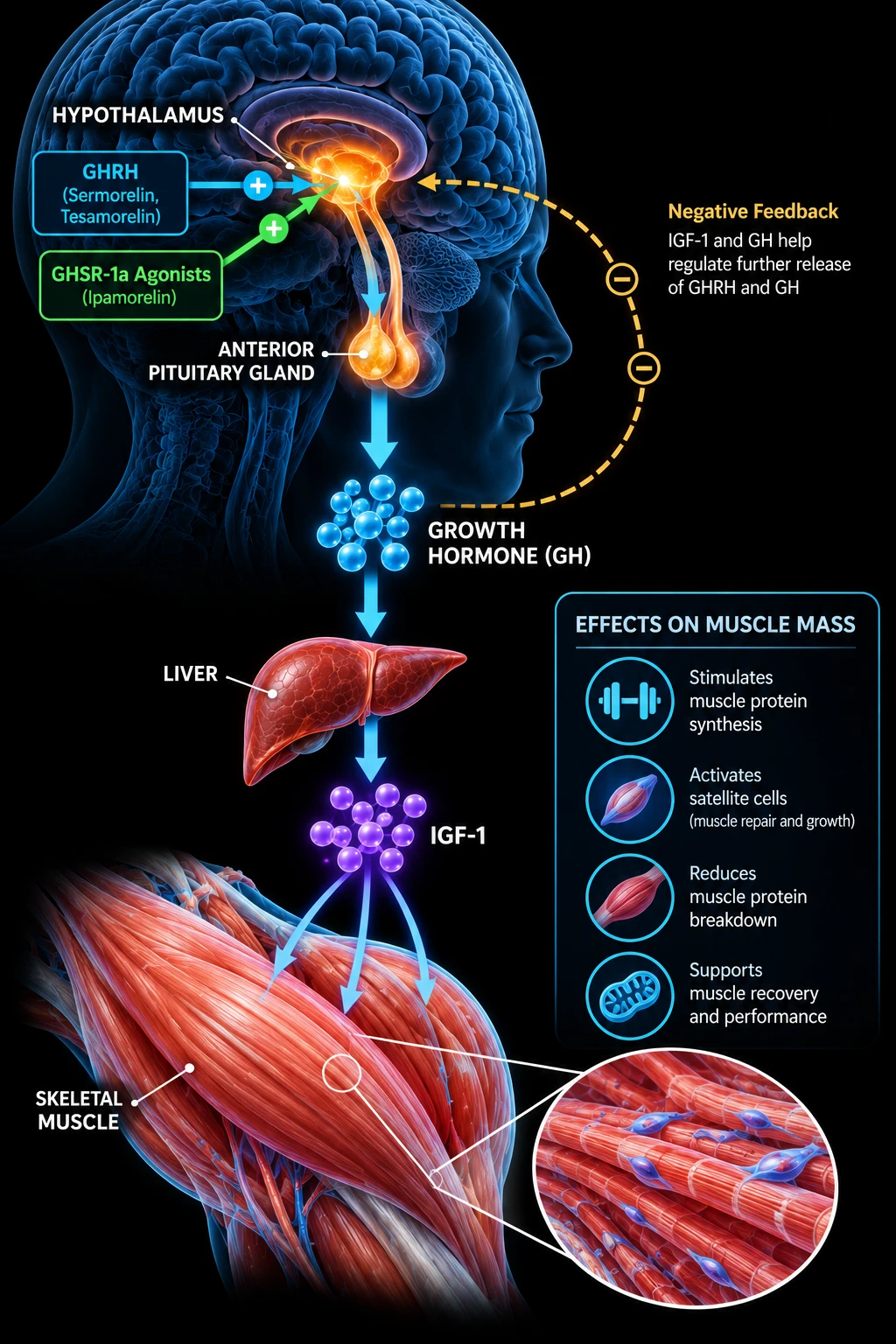
This is one of the most important questions when evaluating peptides for body composition.
Growth hormone is often described as an anabolic hormone.
However, anabolic activity does not necessarily mean that increasing GH will improve muscle strength or athletic performance.
A systematic review published in the Annals of Internal Medicine evaluated growth hormone administration in healthy, physically fit individuals.
Researchers found that GH increased lean body mass by approximately 2.1 kilograms compared with controls.
However, improvements in muscle strength and exercise capacity were not demonstrated.
Adverse effects, including edema and fatigue, were more common among participants receiving GH.
Although these findings involve direct GH administration rather than growth hormone secretagogues, they illustrate an important limitation of interpreting hormonal and body composition changes.
Why Lean Mass Can Be Misleading
Growth hormone can increase fluid retention.
Because body composition measurements classify water as part of lean mass, increased extracellular fluid may appear as an improvement in lean body mass.
Similarly, changes in connective tissue or other nonfat tissues may contribute to measured lean mass.
This does not mean that GH has no effects on muscle metabolism.
It means that changes in lean body mass should not be interpreted as proof of increased functional skeletal muscle.
What Should We Measure Instead?
When evaluating muscle-related outcomes, clinically meaningful measurements may include:
- Strength testing
- Functional performance
- Changes in skeletal muscle area
- Muscle quality
- Physical endurance
- Ability to perform daily activities
The goal should be improving physical function rather than simply increasing a number on a body composition report.
BPC-157: Can It Improve Tendon, Ligament, and Muscle Recovery?
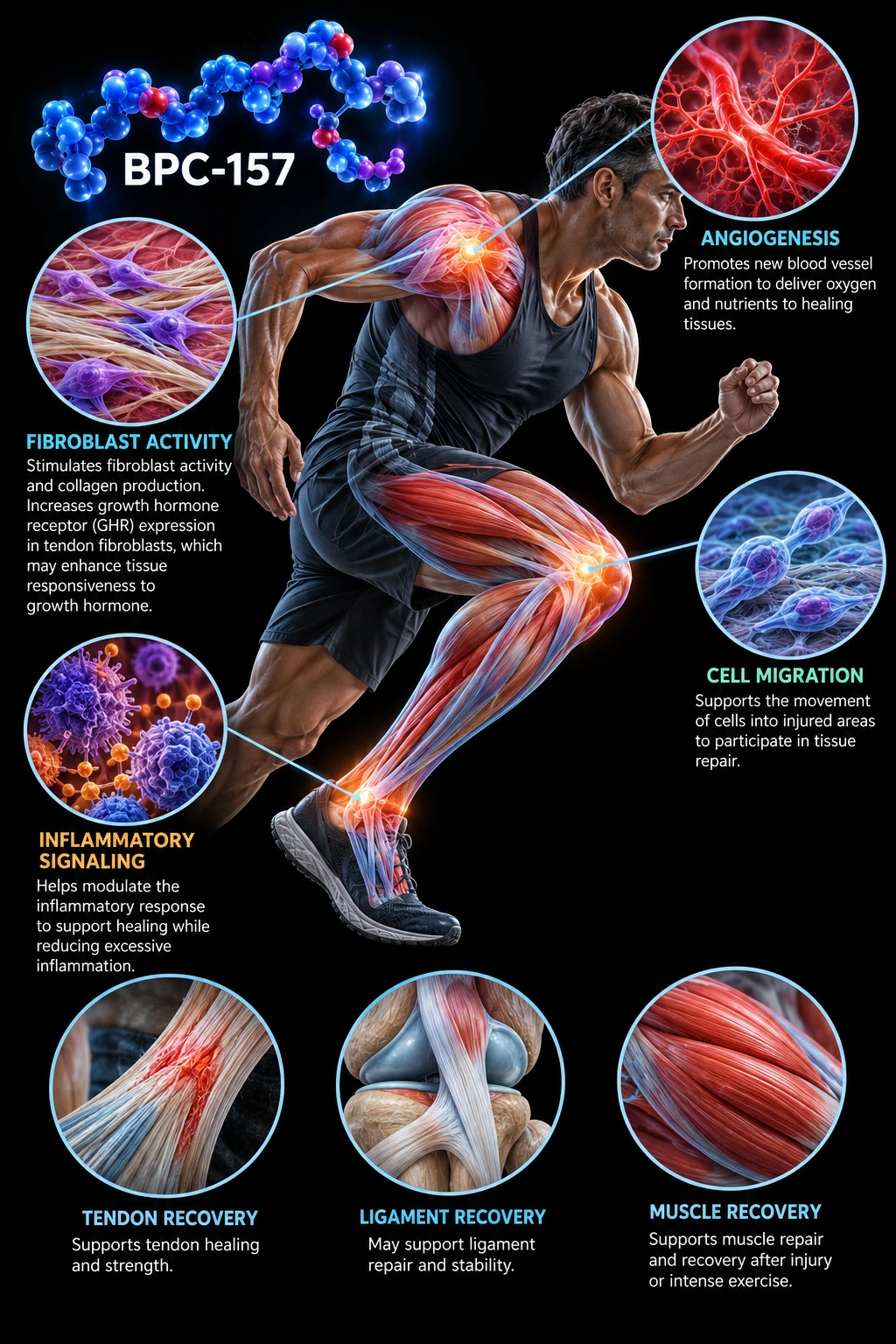
BPC-157 is a synthetic peptide that has attracted considerable interest for its proposed tissue-healing properties.
Much of the enthusiasm comes from laboratory and animal studies examining tendon, ligament, muscle, and gastrointestinal injury models.
Proposed Mechanisms
Preclinical research has investigated whether BPC-157 influences several processes involved in tissue repair.
Angiogenesis
The formation of new blood vessels helps deliver oxygen and nutrients to healing tissues.
Fibroblast Activity
Fibroblasts produce collagen and other extracellular matrix components involved in connective tissue repair. Interestingly, laboratory research has demonstrated that BPC-157 increases growth hormone receptor (GHR) expression in tendon fibroblasts. In a 2014 study involving rat tendon fibroblasts, BPC-157 increased GHR expression at both the gene and protein levels. When these cells were subsequently exposed to growth hormone, researchers observed increased cellular proliferation and activation of growth hormone-related signaling pathways. These findings suggest that BPC-157 may enhance the responsiveness of tendon fibroblasts to growth hormone, potentially supporting processes involved in connective tissue repair. However, these effects have not been established in human clinical studies, and increased receptor expression does not necessarily translate into faster or stronger tendon healing.
Cell Migration
Tissue repair requires cells to move into injured areas and participate in rebuilding damaged structures.
Inflammatory Signaling
An appropriate inflammatory response is necessary to initiate healing, but excessive or prolonged inflammation may interfere with recovery.
These proposed mechanisms provide a biological rationale for studying BPC-157.
What Does the Human Evidence Show?
Animal studies have reported improvements in certain tissue-healing measurements.
However, animal results do not necessarily translate into meaningful benefits in humans.
At present, there is insufficient high-quality human evidence demonstrating that BPC-157 reliably:
- Accelerates tendon healing
- Repairs ligament injuries
- Improves postoperative recovery
- Reduces muscle recovery time
- Prevents reinjury
- Improves long-term physical function
Small or uncontrolled human reports cannot establish these outcomes with confidence.
Is BPC-157 FDA-Approved?
No.
BPC-157 is not FDA-approved for human therapeutic use.
The FDA has identified concerns involving peptide characterization, potential immunogenicity, impurities, and limited human safety data.
Long-term safety remains uncertain.
BPC-157 is scientifically interesting, but its clinical effectiveness for musculoskeletal recovery remains unproven.
Thymosin Beta-4 and TB-500: Potential Roles in Tissue Repair
Thymosin beta-4 is a naturally occurring peptide involved in several cellular processes, including actin regulation and cell migration.
It has been investigated for its potential role in wound healing and tissue remodeling.
TB-500 is a term commonly used for products marketed as thymosin beta-4-related peptides.
However, products labeled TB-500 may not be chemically identical to full-length thymosin beta-4.
This distinction is important because different molecular structures can produce different biological effects.
What Does the Research Suggest?
Preclinical studies involving thymosin beta-4 have investigated:
- Cell migration
- Angiogenesis
- Wound healing
- Inflammatory signaling
- Tissue remodeling
These mechanisms are relevant to recovery from injury.
However, the evidence supporting systemic TB-500 administration for tendon, ligament, or muscle recovery in humans remains insufficient.
Does TB-500 Improve Recovery After Surgery?
There is currently insufficient controlled human evidence demonstrating that TB-500 improves recovery after orthopedic surgery or accelerates healing of injured tendons and ligaments.
Research involving full-length thymosin beta-4 or topical formulations should not automatically be applied to injectable TB-500 products.
The formulation, molecular structure, route of administration, and clinical indication all matter.
GHK-Cu: Collagen Remodeling and Connective Tissue Health
GHK-Cu is a copper-binding tripeptide composed of glycine, histidine, and lysine.
Copper is an essential trace element involved in several physiological processes, including the activity of enzymes responsible for collagen and elastin cross-linking.
Potential Biological Effects
Laboratory and preclinical studies suggest that GHK-Cu may influence:
- Collagen synthesis
- Fibroblast activity
- Extracellular matrix remodeling
- Wound repair
- Certain inflammatory pathways
Some human cosmetic research has investigated topical copper peptide formulations for skin appearance and aging-related changes.
However, evidence involving topical cosmetic products does not establish the effectiveness of injectable GHK-Cu.
Can GHK-Cu Improve Tendon or Muscle Recovery?
There is insufficient clinical evidence demonstrating that injectable GHK-Cu accelerates tendon healing, improves muscle recovery, or enhances postoperative rehabilitation.
The FDA has also identified potential safety concerns involving injectable GHK-Cu, including immunogenicity and peptide-related impurities.
The ability to influence collagen-related signaling does not establish that a peptide improves the strength or function of healing connective tissue.
Recovery Is More Than Tissue Healing
One challenge in evaluating peptide therapy is that recovery involves several different physiological processes.
A treatment may influence one component of recovery without improving the others.
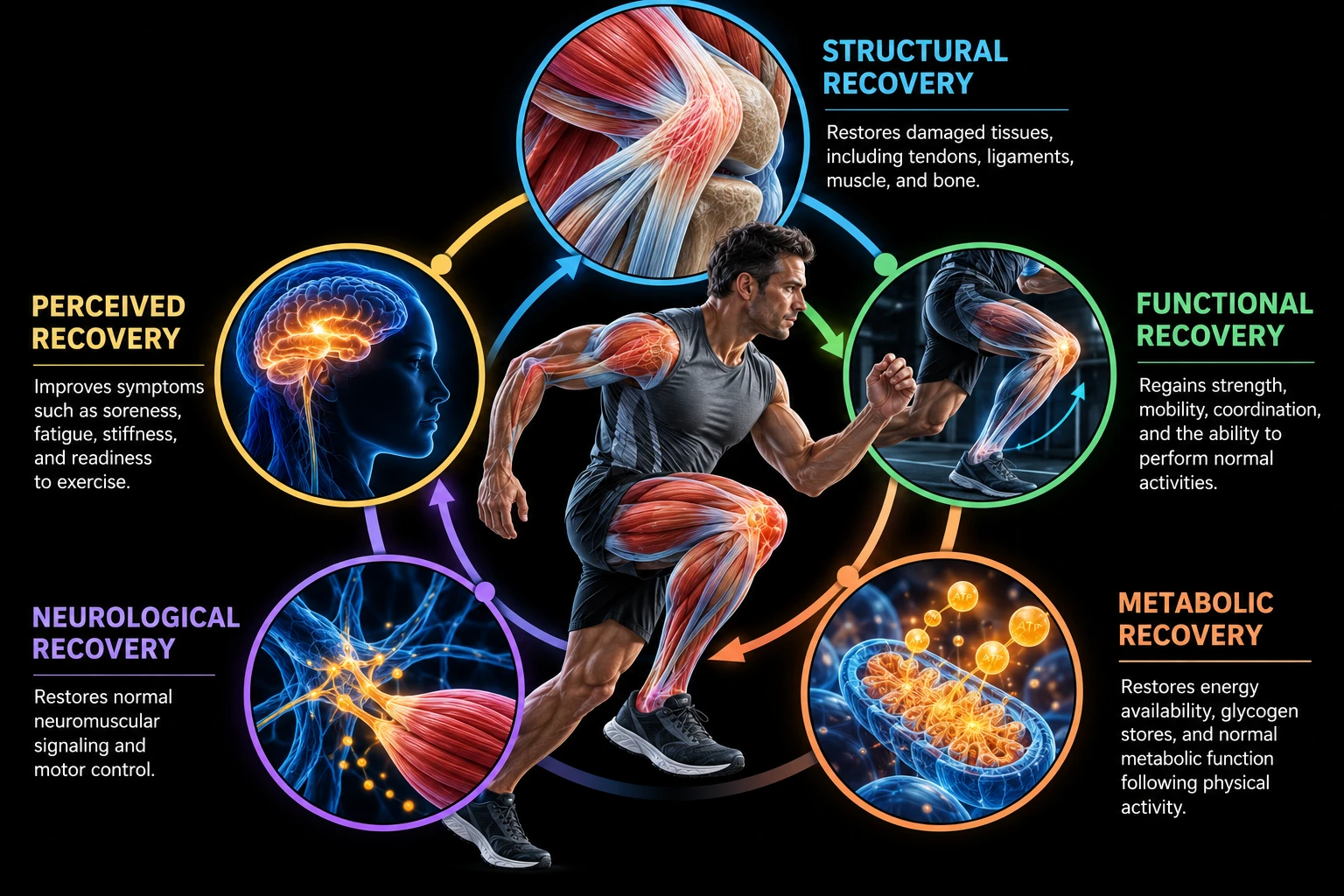
Structural Recovery
Structural recovery involves restoring damaged tissues, including tendons, ligaments, muscle, and bone.
Functional Recovery
Functional recovery involves regaining strength, mobility, coordination, and the ability to perform normal activities.
Metabolic Recovery
Metabolic recovery includes restoring energy availability, glycogen stores, and normal metabolic function following physical activity.
Neurological Recovery
Neurological recovery involves restoring normal neuromuscular signaling and motor control.
Perceived Recovery
Perceived recovery refers to symptoms such as soreness, fatigue, stiffness, and readiness to exercise.
These outcomes are related but not interchangeable.
For example, a treatment that reduces soreness does not necessarily accelerate structural muscle repair.
Similarly, increased collagen synthesis does not prove that a healing tendon can tolerate greater mechanical loading.
Why Rehabilitation Remains Essential
Tendons, ligaments, and muscles respond to mechanical loading.
Appropriately designed rehabilitation programs help guide tissue remodeling, restore strength, and improve functional capacity.
Even if a therapy influences cellular repair pathways, it cannot automatically replace the mechanical and neurological adaptations required for recovery.
Successful recovery requires both biological healing and restoration of physical function.
Inflammation and Recovery: Why More Suppression Is Not Always Better
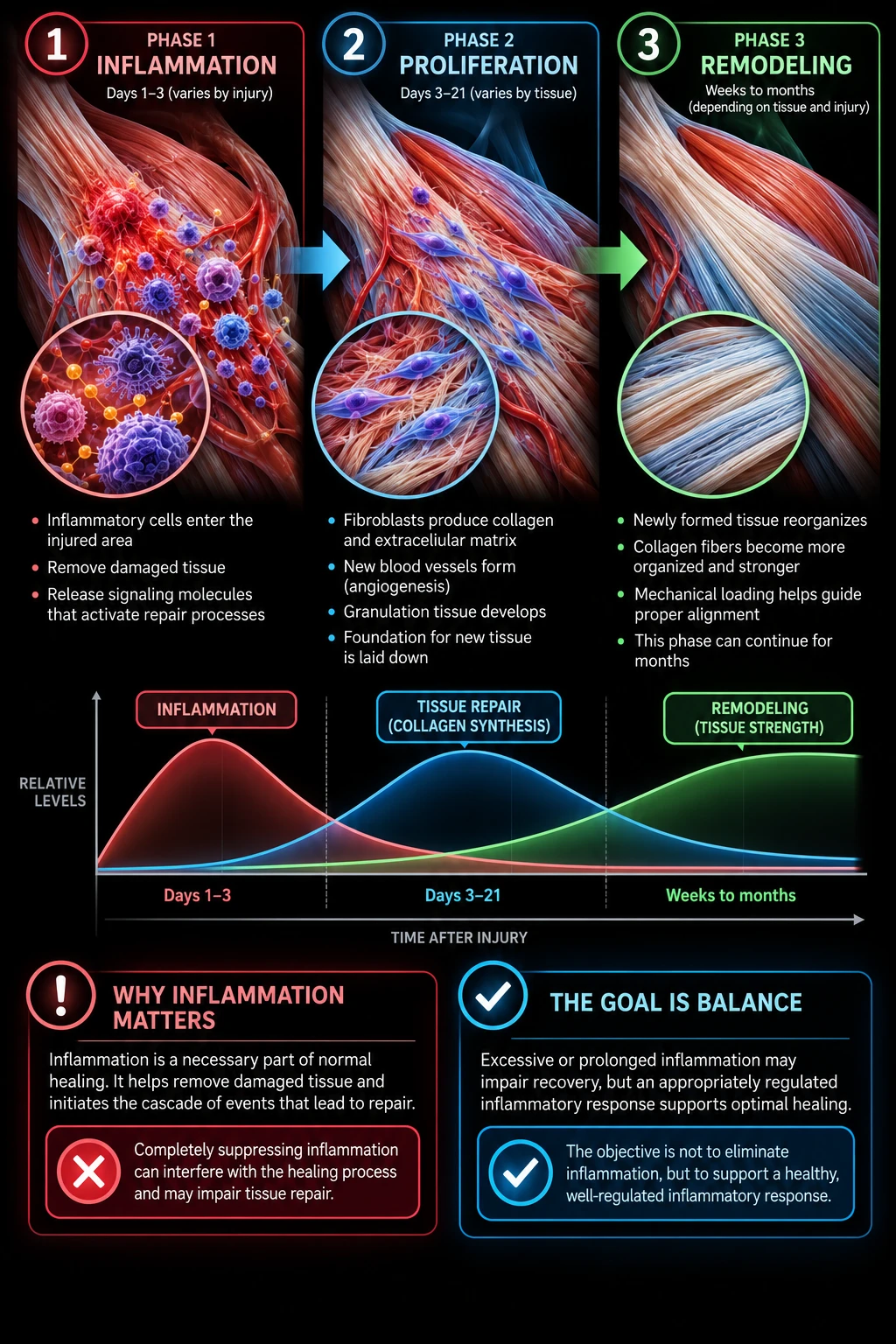
Inflammation is frequently viewed as something that should always be reduced.
However, inflammation is a necessary component of normal healing.
Following injury, the immune system initiates a coordinated response that helps remove damaged tissue and activate repair processes.
Healing generally progresses through overlapping phases.
Phase 1: Inflammation
Inflammatory cells enter the injured area and participate in clearing damaged tissue.
Phase 2: Proliferation
Fibroblasts and other cells contribute to collagen deposition, extracellular matrix production, and new tissue formation.
Phase 3: Remodeling
Newly formed tissue undergoes structural reorganization.
Collagen fibers gradually become more organized in response to mechanical loading and biological signaling.
This process may continue for months, depending on the tissue and severity of injury.
Why This Matters for Peptide Therapy
Some experimental peptides have been investigated for their effects on inflammatory signaling.
However, reducing inflammation is not necessarily equivalent to improving healing.
Excessive inflammation may impair recovery, but suppressing necessary inflammatory responses may also interfere with normal repair processes.
The objective should be an appropriately regulated inflammatory response rather than eliminating inflammation altogether.
Peptides During Medical Weight Loss: Can They Help Preserve Muscle?
Muscle preservation is particularly important during medical weight loss.
When body weight decreases, some of the loss typically comes from fat-free mass.
However, fat-free mass is not identical to skeletal muscle.
Changes in water, glycogen, and other nonfat tissues can influence these measurements.
The amount of skeletal muscle lost during weight reduction depends on several factors, including:
- Age
- Baseline muscle mass
- Rate of weight loss
- Protein intake
- Resistance training
- Hormonal status
- Underlying medical conditions
Growth hormone-related peptides have been proposed as potential tools for preserving lean body mass.
However, evidence that a treatment increases lean mass does not establish that it prevents clinically meaningful skeletal muscle loss during medical weight reduction.
What Has Stronger Evidence for Muscle Preservation?
Several interventions have more established evidence than experimental peptide therapy.
1. Adequate Protein Intake
For many adults undergoing weight loss, approximately 1.2–1.6 grams of protein per kilogram of body weight daily may be appropriate.
Individual requirements vary based on age, activity level, body composition, and medical conditions.
2. Progressive Resistance Training
Resistance exercise provides the mechanical stimulus necessary to support muscle protein synthesis and preserve strength.
3. Appropriate Weight Loss Rate
Very rapid weight loss, particularly when accompanied by severe calorie restriction or inadequate protein intake, may increase the risk of losing lean tissue.
4. Hormonal Evaluation
Clinically significant hormonal deficiencies can contribute to changes in body composition.
Appropriately treating a documented deficiency is different from increasing hormone concentrations beyond normal physiological requirements.
5. Creatine Supplementation
Creatine monohydrate has stronger clinical evidence for supporting resistance-training performance and certain measures of muscle strength than many experimental peptides.
The Clinical Priority
For patients undergoing medical weight loss, preserving strength and functional muscle should be a central objective.
A lower number on the scale is not necessarily a better outcome if it comes at the expense of substantial muscle loss.
For additional information, see our R2 Medical Clinic articles:
Peptides and Healthy Aging: What About Long-Term Body Composition?
Maintaining favorable body composition becomes increasingly important with age.
Excess visceral fat is associated with metabolic dysfunction, while declining muscle strength can contribute to frailty, reduced mobility, and loss of independence.
This has led to interest in whether peptides that influence GH–IGF-1 signaling might help counteract age-related changes.
However, age-related declines in growth hormone secretion do not automatically represent a disease requiring treatment.
Furthermore, increasing GH or IGF-1 has not been demonstrated to extend human lifespan or reliably improve long-term functional outcomes in otherwise healthy older adults.
Growth hormone signaling also has a complex relationship with aging biology.
Although GH and IGF-1 support normal tissue maintenance, excessive growth-factor signaling may have undesirable metabolic and cellular consequences.
More growth hormone or IGF-1 does not automatically mean healthier aging.
The goal should be maintaining muscle strength, reducing excess visceral fat, preserving metabolic health, and supporting long-term physical function.
What Are the Potential Risks of Peptide Therapy?
The risks associated with peptide therapy vary substantially depending on the specific compound.
Some peptide medications have undergone extensive clinical testing and received FDA approval for specific indications.
Others remain investigational.
Hormonal and Metabolic Effects
Peptides that stimulate GH secretion may influence IGF-1 concentrations and glucose metabolism.
Potential concerns associated with excessive GH–IGF-1 activity include:
- Fluid retention
- Joint discomfort
- Paresthesias
- Carpal tunnel symptoms
- Insulin resistance
- Elevated blood glucose
These effects are not equally established for every growth hormone secretagogue.
Immunogenicity
Peptides may trigger immune responses.
Risk depends on molecular structure, formulation, impurities, aggregation, and route of administration.
Product Quality
Peptide products obtained from poorly regulated sources may present concerns involving:
- Incorrect identity
- Inaccurate concentration
- Contamination
- Sterility
- Endotoxins
- Degradation products
- Peptide impurities
Long-Term Safety
Many experimental peptides lack adequate long-term human safety studies.
This is particularly important when compounds are proposed for repeated or prolonged administration.
FDA Approval and Compounding
An FDA-approved peptide medication has undergone regulatory review for specific indications.
Compounded medications are not FDA-approved, and the FDA does not review individual compounded preparations for safety, effectiveness, or quality before marketing.
Additionally, a peptide being discussed in scientific literature does not automatically mean it can legally be compounded.
Federal and state requirements concerning bulk drug substances, compounding eligibility, and prescribing must be evaluated individually.
The FDA has identified potential significant safety risks involving several peptides commonly discussed in regenerative and longevity medicine.
How Should Patients Evaluate Claims About Peptide Therapy?
When evaluating a peptide, several questions are worth considering.
Has the peptide been studied in humans?
Laboratory and animal studies can help identify biological mechanisms, but human clinical trials are necessary to establish clinical effectiveness.
Was the study randomized and placebo-controlled?
Controlled trials generally provide stronger evidence than testimonials or uncontrolled observations.
What outcomes were actually measured?
Increased GH secretion is not the same as improved muscle strength.
Increased collagen production is not the same as a healed tendon.
Was the study population relevant?
A treatment that reduces visceral fat in adults with HIV-associated lipodystrophy may not produce the same results in otherwise healthy individuals.
Were the improvements clinically meaningful?
A statistically significant laboratory change may not translate into better health or physical function.
What is known about long-term safety?
Short-term tolerability does not establish long-term safety.
These questions help distinguish promising scientific research from treatments whose popularity has advanced faster than the available evidence.
The R2 Medical Clinic Approach to Peptide Therapy
At R2 Medical Clinic, we believe peptide therapy should be evaluated through the same evidence-based framework applied to other medical treatments.
The potential benefits of a therapy must be considered alongside its limitations and risks.
Some peptides have demonstrated meaningful benefits in specific clinical populations.
Others remain scientifically interesting but inadequately studied.
Our approach emphasizes understanding the patient’s underlying physiology rather than treating individual laboratory values in isolation.
For patients concerned about body composition, recovery, or age-related changes, a comprehensive evaluation may include:
- Medical history and current medications
- Hormonal and metabolic assessment when clinically indicated
- Evaluation of body composition and muscle function
- Nutritional status
- Exercise and resistance-training habits
- Sleep and recovery patterns
- Cardiometabolic risk factors
- Relevant injury or surgical history
We also recognize that optimizing established foundations of health may produce greater benefits than adding experimental therapies.
For example, a patient experiencing muscle loss during weight reduction may benefit more from improving protein intake and resistance training than from attempting to increase growth hormone secretion.
Similarly, a patient recovering from a tendon injury may require an appropriate rehabilitation program rather than relying on a treatment that has not demonstrated improved healing in human clinical trials.
When considering any peptide, the relevant questions include whether it is clinically appropriate, supported by adequate evidence, legally available, and associated with an acceptable risk-benefit profile.
Related Peptide Therapy Resources
Peptide Therapy: A Physician’s Guide to the Evidence, Potential Benefits, Risks & Limitations
Preserving Muscle During Medical Weight Loss: Why the Scale Is Only Part of the Story
Frequently Asked Questions
1. Do peptides actually help build muscle?
Some peptides influence hormonal pathways involved in protein metabolism and body composition.
However, there is insufficient evidence that commonly promoted growth hormone secretagogues reliably increase muscle strength or functional skeletal muscle mass in healthy adults.
Increased lean body mass does not necessarily represent increased muscle tissue.
2. Can peptides help reduce abdominal fat?
Tesamorelin has demonstrated significant reductions in visceral abdominal fat among adults with HIV-associated lipodystrophy.
However, these findings do not establish its effectiveness or safety for routine abdominal fat reduction in otherwise healthy individuals.
3. Does tesamorelin reduce subcutaneous fat?
Clinical studies have generally demonstrated more pronounced effects on visceral abdominal fat than subcutaneous fat.
Tesamorelin should not be considered equivalent to conventional weight-loss medications.
4. Does BPC-157 help heal tendons?
Preclinical studies have reported potentially beneficial effects on tissue repair.
However, adequate human clinical trials demonstrating improved tendon healing or functional recovery are lacking.
BPC-157 is not FDA-approved for human therapeutic use.
5. Is TB-500 the same as thymosin beta-4?
Not necessarily.
Products marketed as TB-500 may contain thymosin beta-4-related peptide fragments rather than full-length thymosin beta-4.
Evidence involving one compound should not automatically be applied to another.
6. Can sermorelin or ipamorelin improve exercise recovery?
Both influence growth hormone signaling through different mechanisms.
However, there is insufficient high-quality human evidence demonstrating that either consistently improves exercise recovery, strength, or physical performance in healthy adults.
7. Are peptides safer than growth hormone?
Not necessarily.
Some peptides stimulate endogenous GH secretion rather than supplying GH directly.
However, this does not establish superior safety.
Risks depend on the compound, dose, route, duration, and individual patient characteristics.
8. Can peptides prevent muscle loss during weight loss?
There is currently insufficient evidence to recommend experimental growth hormone secretagogues specifically for preventing skeletal muscle loss during medical weight reduction.
Adequate protein intake and progressive resistance training remain more established strategies.
9. Are peptides FDA-approved?
Some peptide medications are FDA-approved for specific medical conditions.
However, many peptides promoted for recovery, anti-aging, or body composition are not FDA-approved for those purposes.
FDA approval must be evaluated for the individual medication and indication.
10. Can peptides improve longevity?
There is insufficient human evidence demonstrating that the experimental peptides commonly promoted for recovery and body composition extend human lifespan.
Changes in hormone concentrations or biological markers should not be interpreted as proof of increased longevity.
11. How do I know whether peptide therapy is appropriate for me?
A medical evaluation should consider the condition being treated, available clinical evidence, established treatment alternatives, safety concerns, and regulatory status.
The presence of a plausible biological mechanism alone is not sufficient justification for treatment.
Final Thoughts: Promising Biology Does Not Always Translate Into Proven Benefits
Peptide therapy represents an interesting area of medical research.
Certain peptides influence biological pathways involved in fat metabolism, growth hormone secretion, collagen remodeling, inflammation, and tissue repair.
Some, such as tesamorelin, have demonstrated clinically meaningful effects in well-defined patient populations.
Others, including BPC-157, TB-500, and injectable GHK-Cu, remain supported primarily by preclinical research or limited human evidence for their proposed recovery applications.
The distinction between these levels of evidence is essential.
Increasing growth hormone does not automatically increase strength.
Stimulating collagen production does not necessarily accelerate tendon healing.
Reducing inflammation does not always improve recovery.
And increasing lean body mass does not necessarily mean building functional skeletal muscle.
The most meaningful question is not whether a peptide changes a biological pathway, but whether that change produces a measurable, clinically important benefit with an acceptable safety profile.
As research continues, certain peptides may eventually demonstrate benefits for recovery, body composition, or other aspects of health.
Until then, clinical decisions should be guided by the strength of available evidence rather than marketing claims or theoretical mechanisms alone.
References
- Liu H, Bravata DM, Olkin I, et al. Systematic review: The effects of growth hormone on athletic performance. Annals of Internal Medicine. 2008;148(10):747–758.
- Falutz J, et al. Effects of tesamorelin, a growth hormone-releasing factor, in HIV-infected patients with abdominal fat accumulation: A randomized placebo-controlled trial with a safety extension. Journal of Clinical Endocrinology & Metabolism. 2010.
- Stanley TL, et al. Effect of tesamorelin on visceral fat and liver fat in HIV-infected patients with abdominal fat accumulation: A randomized clinical trial. JAMA. 2014.
- Birzniece V, Nelson AE, Ho KKY. Growth hormone administration: Is it safe and effective for athletic performance? Endocrinology and Metabolism Clinics of North America. 2010.
- Clemmons DR. The relative roles of growth hormone and IGF-1 in controlling insulin sensitivity. Journal of Clinical Investigation. 2004;113(1):25–27.
- Jones JI, Clemmons DR. Insulin-like growth factors and their binding proteins: Biological actions. Endocrine Reviews. 1995;16(1):3–34.
- U.S. Food and Drug Administration. Certain bulk drug substances for use in compounding that may present significant safety risks.
- U.S. Food and Drug Administration. Tesamorelin prescribing information.
- Chang CH, Tsai WC, Hsu YH, Pang JHS. Pentadecapeptide BPC 157 Enhances the Growth Hormone Receptor Expression in Tendon Fibroblasts. Molecules. 2014;19(11):19066–19077.
Learn More About Peptide Therapy at R2 Medical Clinic
At R2 Medical Clinic in Denver, Colorado, we focus on individualized medical care, hormone optimization, metabolic health, body composition, and evidence-informed approaches to healthy aging.
We believe patients deserve a clear understanding of both the potential benefits and limitations of emerging therapies.
Whether your goal is improving body composition, preserving muscle during weight loss, addressing hormonal concerns, or supporting long-term physical function, a comprehensive medical evaluation can help identify appropriate treatment options.
R2 Medical Clinic
Denver, Colorado
Medical Disclaimer: This article is intended for educational purposes only and does not constitute individualized medical advice. Discussion of investigational peptides does not imply that they are FDA-approved, legally available for compounding, or recommended for clinical use. Treatment decisions should be made with a qualified healthcare professional based on current evidence, applicable regulations, and individual medical circumstances.