The Hallmarks of Aging: What Actually Happens as We Get Older?
Aging is something we all experience, yet few people understand what is actually happening inside the body as we grow older. A physician's look at the 12
R2 Medical Clinic • 31 min read
Medically reviewed by Erik Natkin, DO — Founder, R2 Medical Clinic, Denver, Colorado
Last medically reviewed: October 2026
Aging is something we all experience, yet few people understand what is actually happening inside the body as we grow older.
We often associate aging with visible changes: wrinkles, gray hair, reduced muscle mass, weight gain, declining energy, and slower recovery. But these changes are only the outward manifestations of much more complex biological processes occurring at the cellular and molecular levels.
For decades, scientists have investigated why organisms age, why certain individuals remain healthier longer than others, and whether the biological processes responsible for aging can be modified.
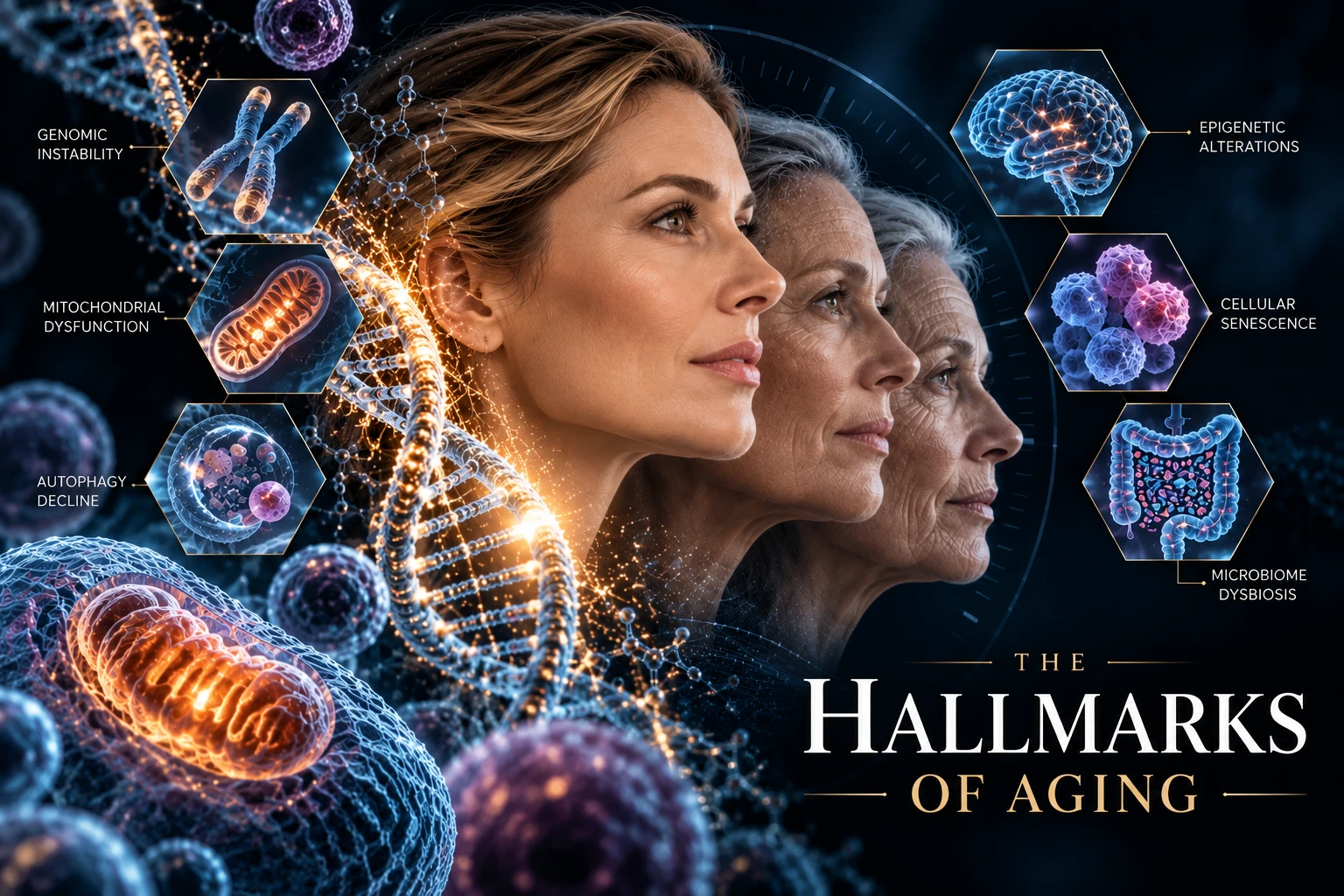
One of the most influential developments in longevity research has been the identification of the Hallmarks of Aging—a scientific framework describing the interconnected biological mechanisms that contribute to aging and age-related disease.
Originally introduced in 2013 and expanded in 2023, this framework identifies 12 major biological hallmarks that help explain why our cells, tissues, and organs gradually lose their ability to function optimally.
Understanding these mechanisms is important because aging is not simply the passage of time.
Aging involves the progressive accumulation of cellular damage, declining maintenance and repair mechanisms, and changes in how cells communicate and respond to their environment.
And while we cannot currently stop or reverse human aging, research suggests that some biological processes associated with aging may be influenced by lifestyle, metabolic health, and potentially future medical interventions.
Let’s explore what actually happens as we age.
Chronological Age vs. Biological Age
Before discussing the hallmarks, it is important to distinguish between two different concepts of aging.
Chronological Age
Chronological age is simply the number of years you have been alive.
It is easy to measure, but it provides limited information about your underlying physiological health.
Two individuals who are both 55 years old may have dramatically different levels of cardiovascular fitness, muscle mass, metabolic health, cognitive function, and disease risk.
Biological Age
Biological age attempts to estimate how well the body is functioning relative to what would typically be expected at a particular chronological age.
Some newer approaches attempt to estimate not only biological age but also the pace of aging, or how rapidly biological changes are occurring over time.
However, biological age testing remains an evolving field.
Researchers investigate biological aging using measurements such as:
- DNA methylation patterns
- Epigenetic clocks
- Blood-based biomarkers
- Inflammatory markers
- Metabolic health
- Physical performance
- Organ function
- Composite measures of physiological health
Different testing methods can produce different estimates, and a lower calculated biological age does not necessarily establish that an individual will live longer.
Biological age is best understood as an emerging research and risk-assessment concept rather than a definitive measurement of how long someone will live.
For a more detailed discussion, read our article:
Can You Really Measure Your Biological Age?
Understanding the 12 Hallmarks of Aging
In 2013, researchers Carlos López-Otín and colleagues published a landmark paper identifying nine hallmarks of aging.
Their framework organized the biological processes associated with aging into three broad categories:
- Primary mechanisms involving cellular damage
- Compensatory responses to that damage
- Progressive deterioration of cellular and tissue function
In 2023, the researchers updated the framework to include three additional hallmarks, bringing the total to 12.
These mechanisms do not operate independently.
Instead, they form an interconnected biological network in which dysfunction in one pathway can influence several others.
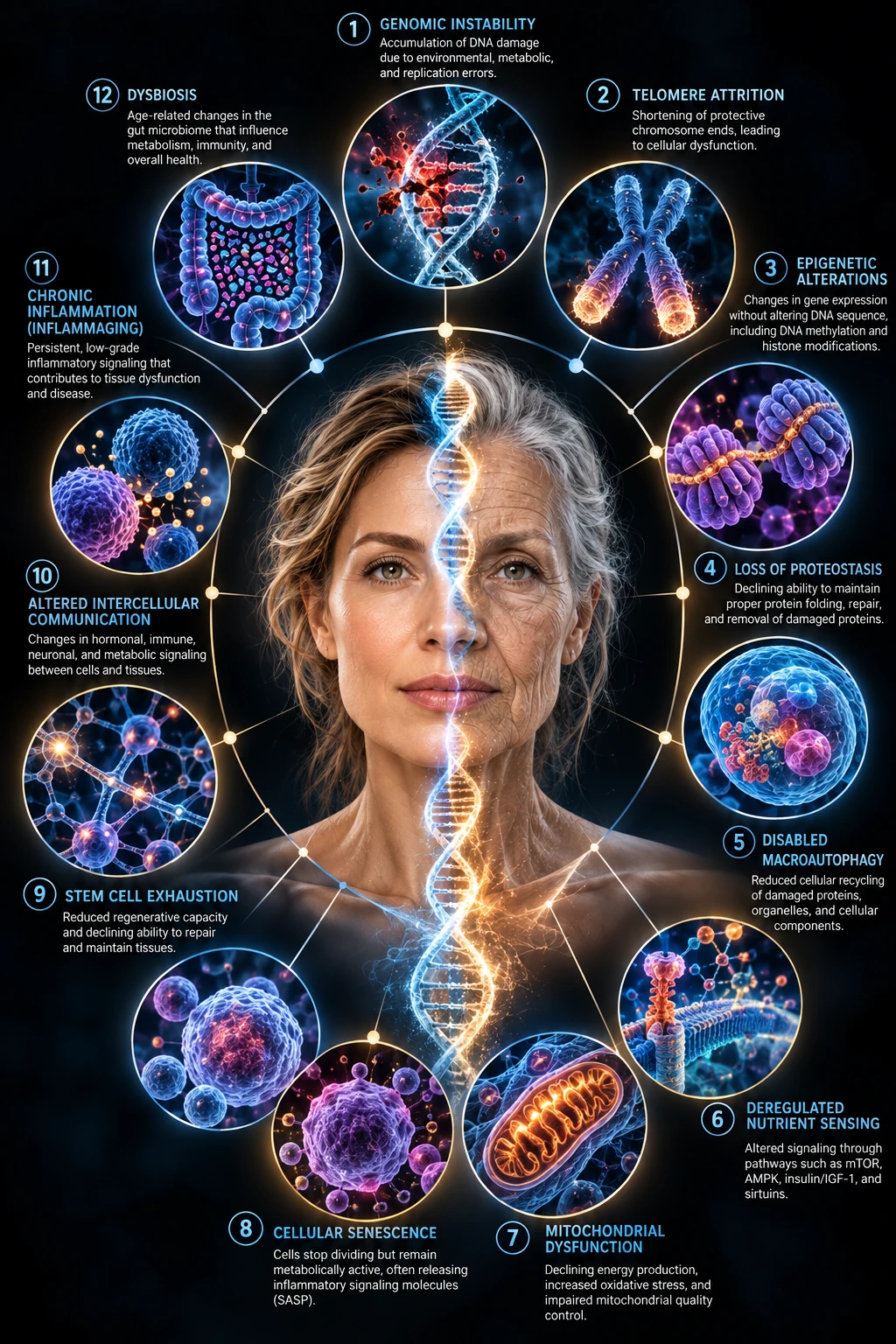
For example, mitochondrial dysfunction may increase cellular stress, which can contribute to cellular senescence, chronic inflammation, and altered communication between tissues.
Understanding these relationships helps explain why aging affects virtually every organ system.
1. Genomic Instability: Accumulating Damage to Our DNA
Every cell contains DNA, the genetic instructions responsible for directing cellular structure, function, and repair.
Throughout life, our DNA is continually exposed to potential sources of damage.
These include:
- Ultraviolet radiation
- Environmental toxins
- Normal metabolic processes
- Reactive oxygen species
- Errors during DNA replication
- Certain infections
- Chemical exposures
Fortunately, our cells possess sophisticated DNA repair mechanisms.
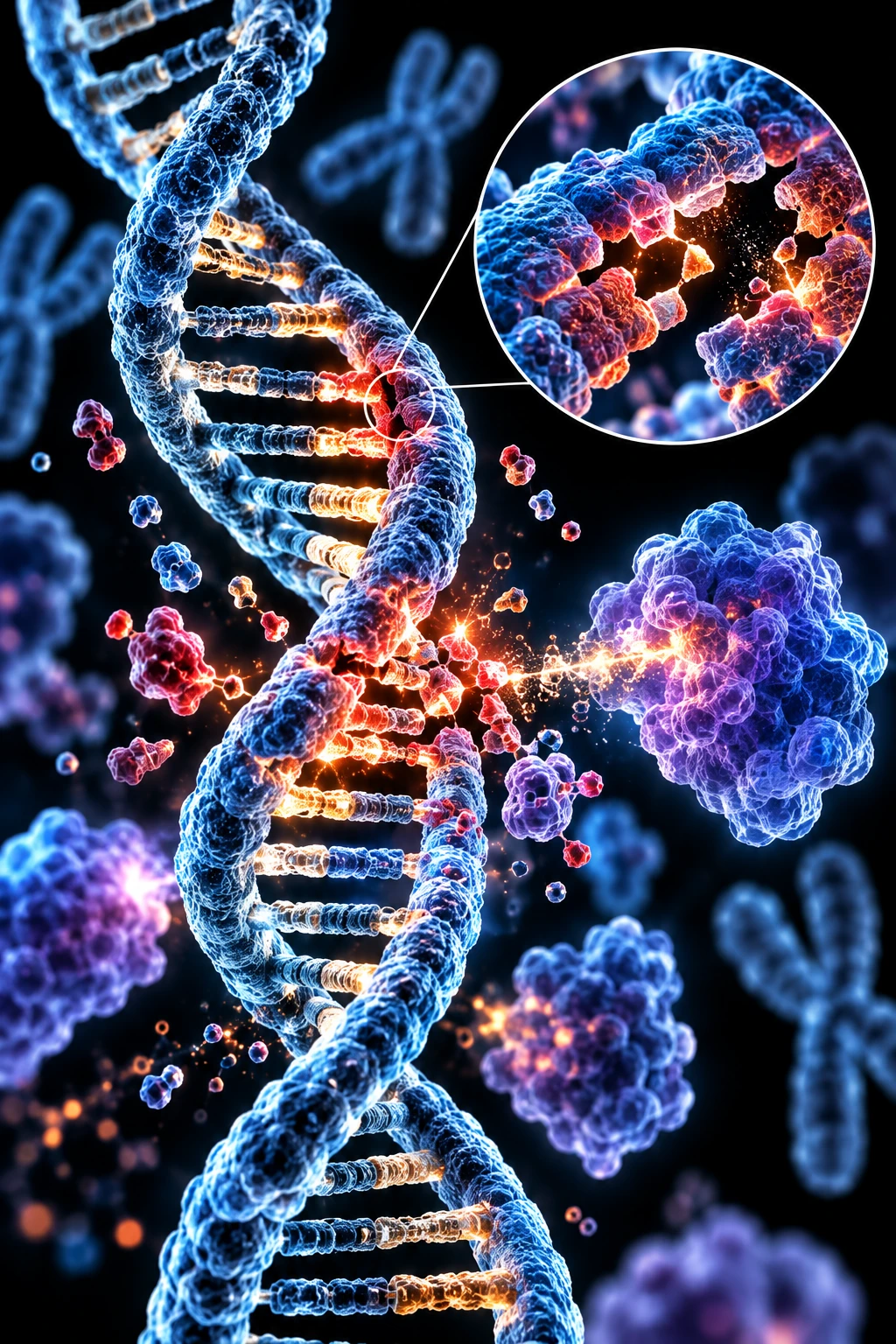
These systems identify damaged DNA and attempt to correct errors before they interfere with cellular function.
However, DNA damage can accumulate over time, particularly when repair mechanisms become less effective or damage exceeds the body’s ability to correct it.
Why Does This Matter?
Persistent DNA damage may contribute to:
- Cellular dysfunction
- Increased cancer risk
- Cellular senescence
- Impaired tissue regeneration
- Altered gene expression
Not every DNA mutation causes disease. Many are harmless, and some have little effect on cellular function.
Nevertheless, genomic instability is considered one of the fundamental biological processes contributing to aging.
Growth Hormone, IGF-1, and the Balance Between Cellular Repair and Aging
Growth hormone (GH) and insulin-like growth factor 1 (IGF-1) are important regulators of cellular growth, metabolism, protein synthesis, and tissue maintenance.
IGF-1 also participates in certain DNA repair pathways, including mechanisms involved in repairing DNA double-strand breaks.
Interestingly, experimental studies have demonstrated that GH and IGF-1 can exert different effects on DNA damage responses.
While IGF-1 may enhance certain repair mechanisms, GH has been shown to interfere with specific DNA repair pathways in selected laboratory models.
However, these experimental findings do not establish that normal GH activity or medically supervised GH-stimulating therapies cause DNA damage or accelerate aging in humans.
The distinction between physiological hormone signaling and chronic pathological hormone excess is particularly important.
GH and IGF-1 support normal biological functions, including the maintenance of muscle, bone, connective tissue, and metabolic regulation.
Conversely, prolonged excessive GH signaling, as occurs in acromegaly, is associated with adverse metabolic and cardiovascular consequences.
What About Growth Hormone–Stimulating Peptides?
Certain peptide therapies stimulate the body’s endogenous production of growth hormone rather than directly administering recombinant GH.
Tesamorelin, a growth hormone-releasing factor analog, has been FDA-approved since 2010 for reducing excess abdominal fat in adults with HIV-associated lipodystrophy.
Clinical studies have demonstrated its effectiveness for this indication, providing evidence that pharmacological stimulation of endogenous GH secretion can produce meaningful therapeutic benefits.
Although concerns have been raised regarding the potential effects of increased GH/IGF-1 signaling on malignant cells, clinical evidence has not established that tesamorelin causes cancer in humans.
Active malignancy remains a contraindication, while patients with previously treated malignancies require individualized evaluation.
These precautions reflect the biological activity of GH and IGF-1 as growth factors and the uncertainty surrounding their effects on existing or previously treated malignancies.
Other adverse effects, including glucose intolerance, fluid retention, and elevated IGF-1 concentrations, have been documented and warrant appropriate clinical monitoring.
Does GH Stimulation Influence Biological Aging?
Studies involving reduced GH/IGF-1 signaling have demonstrated increased longevity in several animal models.
However, these findings do not establish that increasing or decreasing GH signaling produces equivalent effects in humans.
Growth hormone activity naturally changes throughout life, and both insufficient and excessive signaling may have undesirable physiological consequences.
The relationship between GH, IGF-1, DNA repair, and aging is therefore best understood as a complex interaction between cellular growth, maintenance, repair, and metabolic regulation.
Current evidence supports specific therapeutic applications of GH-stimulating medications, but it has not established that these treatments reverse biological aging or extend human lifespan.
Continued research is needed to determine how different patterns of GH and IGF-1 signaling influence long-term cellular health and age-related disease.
Can We Protect Our DNA?
Although DNA damage cannot be completely prevented, certain measures can reduce avoidable exposure and support overall cellular health.
These include avoiding tobacco, limiting excessive ultraviolet exposure, maintaining metabolic health, exercising regularly, and obtaining adequate nutrition.
Importantly, no supplement or currently available anti-aging treatment has been proven to eliminate accumulated DNA damage or reverse genomic aging in humans.
2. Telomere Attrition: The Protective Caps on Our Chromosomes
Telomeres are specialized structures located at the ends of chromosomes.
They consist of repetitive DNA sequences and associated proteins that help protect chromosome ends from being recognized as damaged DNA.
One way to visualize telomeres is to imagine the protective plastic tips on shoelaces.
Without those tips, shoelaces gradually fray.
Similarly, telomeres help maintain chromosome stability.
What Happens as We Age?
In many dividing cells, telomeres gradually shorten with repeated cell division.
When telomeres become critically short or dysfunctional, they can activate cellular stress responses that may lead to senescence or cell death.
However, telomere biology is more complicated than simply counting cell divisions.
Telomere length varies among individuals, tissues, and cell types.
Some cells also express telomerase, an enzyme capable of maintaining or extending telomeres.
Are Longer Telomeres Always Better?
Not necessarily.
Although unusually short telomeres can contribute to tissue dysfunction and certain diseases, maintaining or extending telomeres is not automatically beneficial.
Telomerase activity is also important in many cancers because it can allow malignant cells to continue dividing.
Consequently, artificially increasing telomere length is not an established strategy for extending human lifespan.
Research into telomere biology remains promising, but telomere length alone is not a reliable measure of overall biological age.
For a deeper discussion, read our article:
Telomeres and Aging: Can We Really Slow the Biological Clock?
3. Epigenetic Alterations: Changes in How Our Genes Are Expressed
Our DNA contains thousands of genes, but not every gene is active in every cell.
A liver cell and a muscle cell contain essentially the same genetic instructions, yet they perform very different functions.
This is possible because cells regulate which genes are activated or suppressed.
Epigenetics refers to mechanisms that influence gene activity without necessarily changing the underlying DNA sequence.
These include:
- DNA methylation
- Histone modifications
- Chromatin remodeling
- Other regulatory processes affecting gene expression
What Happens During Aging?
As we age, patterns of epigenetic regulation change.
Some genes may become more active, while others become less active.
These changes can affect cellular repair, inflammation, metabolism, and tissue function.
Researchers sometimes describe this progressive alteration in epigenetic regulation as epigenetic drift.
Certain DNA methylation patterns also change predictably with chronological age.
These observations led to the development of epigenetic clocks.
Can Epigenetic Aging Be Reversed?
Laboratory research has demonstrated that cellular reprogramming can alter epigenetic patterns and, under certain experimental conditions, restore aspects of more youthful cellular function.
However, translating these findings into safe and effective treatments for humans remains a major scientific challenge.
Changing an epigenetic clock measurement does not necessarily mean that aging has been reversed or that lifespan has been extended.
Epigenetic regulation is one of the most exciting areas of longevity research, but clinical claims about reversing biological age currently exceed the available human evidence.
Related reading:
Epigenetics and Aging: How Your Lifestyle Influences Gene Expression
Methylation Explained: Why It Matters for Cellular Health
4. Loss of Proteostasis: When Cellular Proteins Stop Working Properly
Proteins are essential for nearly every biological function.
They act as enzymes, receptors, structural components, transport molecules, and signaling messengers.
To function correctly, proteins must be produced, folded, maintained, and eventually removed when they become damaged.
The cellular systems responsible for maintaining this balance are collectively known as proteostasis.
What Happens as We Age?
Over time, cells may become less efficient at identifying, repairing, or removing damaged proteins.
This can lead to the accumulation of misfolded or dysfunctional proteins.
Several important systems participate in protein maintenance, including:
- Molecular chaperones
- The ubiquitin-proteasome system
- Autophagy
- Lysosomal degradation
When these systems become impaired, damaged proteins may accumulate and interfere with normal cellular function.
Why Does This Matter?
Loss of proteostasis is particularly relevant to neurodegenerative diseases.
For example, abnormal protein accumulation is associated with conditions such as Alzheimer’s and Parkinson’s disease.
However, protein dysfunction also affects muscle, metabolic tissues, and other organ systems.
Can We Improve Proteostasis?
Exercise, adequate protein intake, and overall metabolic health support important aspects of tissue maintenance.
Researchers are also investigating therapies that influence autophagy and protein clearance.
However, enhancing autophagy or other protein-maintenance pathways has not been established as a general anti-aging treatment in humans.
5. Disabled Macroautophagy: Declining Cellular Recycling
Autophagy is one of the body’s fundamental cellular maintenance processes.
The term comes from Greek words meaning self-eating.
Although the name sounds destructive, autophagy is essential for maintaining healthy cells.
It allows cells to break down and recycle damaged proteins, organelles, and other cellular components.
Macroautophagy, commonly referred to simply as autophagy, involves enclosing cellular material within specialized structures called autophagosomes.
These structures subsequently fuse with lysosomes, where the enclosed material is degraded and recycled.
Why Is Autophagy Important?
Autophagy helps cells:
- Remove damaged cellular components
- Maintain energy balance
- Respond to nutrient deprivation
- Adapt to metabolic stress
- Maintain protein quality
- Support cellular survival
What Happens During Aging?
Autophagic activity and efficiency may decline in certain tissues with age.
This can contribute to the accumulation of dysfunctional cellular components and impaired cellular maintenance.
Because of its importance in maintaining cellular quality, disabled macroautophagy was added as a distinct hallmark in the 2023 framework.
Does Fasting Activate Autophagy?
Nutrient availability influences autophagy through pathways involving mTOR, AMPK, and other metabolic regulators.
Fasting can affect these pathways, but the relationship between fasting duration and clinically meaningful autophagy in humans is not well established.
There is no scientifically validated fasting duration that guarantees a particular level of beneficial autophagy throughout the human body.
Although fasting and time-restricted eating may improve selected metabolic outcomes in some individuals, claims that they reliably trigger cellular rejuvenation or extend human lifespan remain unproven.
6. Deregulated Nutrient Sensing: When Cells Misinterpret Energy Availability
Cells continuously monitor nutrient availability and energy status.
Several major signaling pathways help coordinate this process.
These include:
mTOR — Mechanistic Target of Rapamycin
mTOR helps regulate protein synthesis, cellular growth, and responses to nutrient availability.
AMPK — AMP-Activated Protein Kinase
AMPK functions as a cellular energy sensor and helps coordinate responses when energy availability is limited.
Insulin and IGF-1 Signaling
These pathways influence glucose metabolism, growth, and other metabolic processes.
Sirtuins
Sirtuins are proteins involved in several aspects of cellular regulation, including metabolism, stress responses, and chromatin regulation.
What Happens as We Age?
The regulation of these pathways can become altered.
Chronic overnutrition, insulin resistance, metabolic dysfunction, and changes in cellular signaling may contribute to age-related disease.
However, these pathways are not simply good or bad.
For example, mTOR activity is essential for muscle protein synthesis and tissue maintenance.
Chronically suppressing growth pathways may have undesirable consequences, particularly in older adults who are already vulnerable to muscle loss.
What About Rapamycin, Metformin, and NAD+?
Researchers are investigating several interventions that influence nutrient-sensing pathways.
Rapamycin and related compounds have demonstrated lifespan-extending effects in several animal models.
Metformin has attracted attention because of its metabolic effects and observational associations with certain health outcomes.
NAD+ biology is also being investigated because NAD+ participates in energy metabolism, DNA repair, and numerous cellular processes.
However, important distinctions remain:
- Animal lifespan extension does not establish human lifespan extension.
- Improving a metabolic biomarker does not necessarily slow aging.
- Increasing NAD+ levels does not establish that a treatment improves longevity.
- Drugs that influence aging-related pathways may also produce adverse effects.
At present, these approaches should not be presented as proven treatments for extending lifespan in otherwise healthy humans.
7. Mitochondrial Dysfunction: When Cellular Energy Production Declines
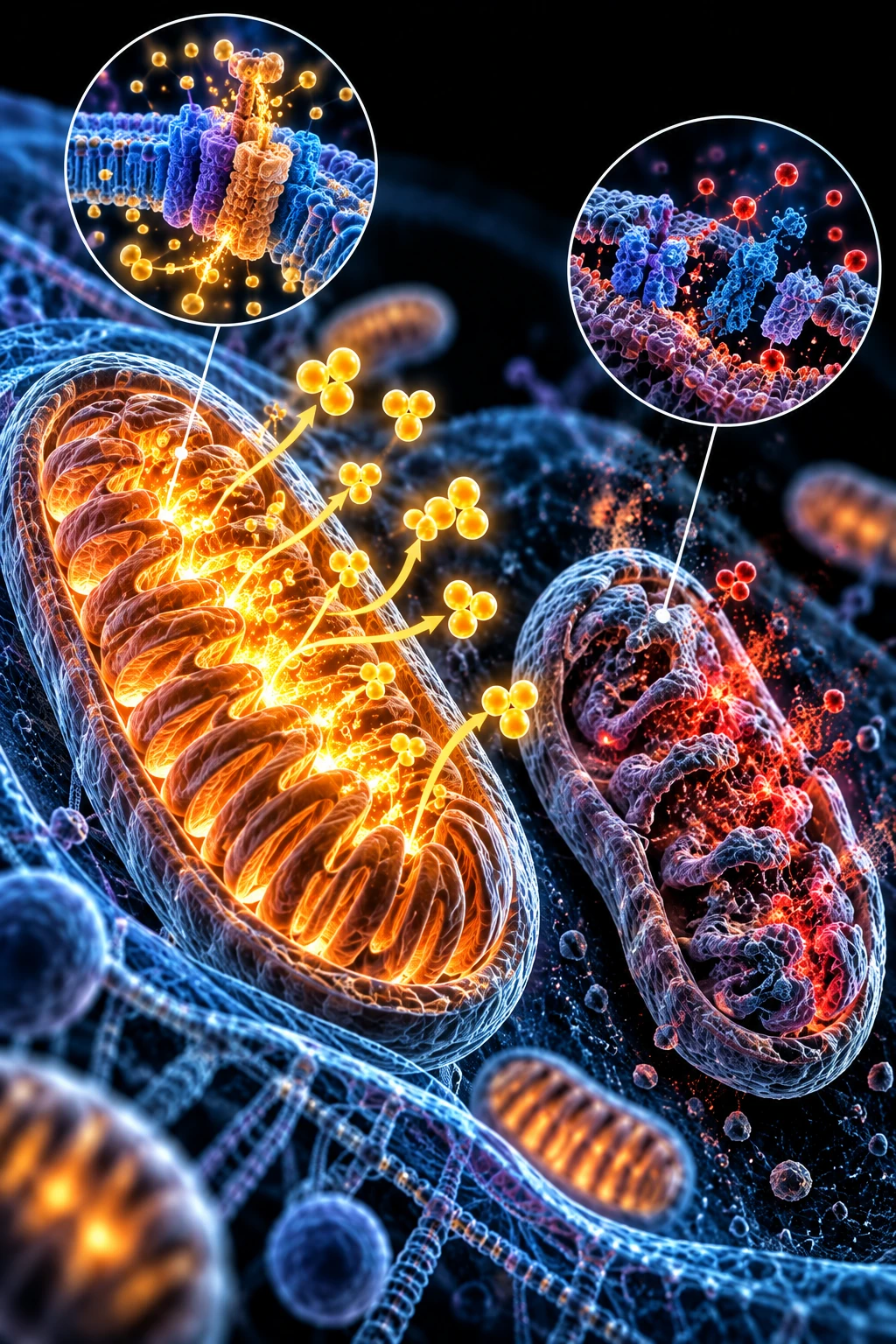
Mitochondria are specialized cellular structures responsible for many important metabolic functions.
They are best known for producing ATP, the primary energy currency used by cells.
However, mitochondria do much more than generate energy.
They also participate in:
- Cellular signaling
- Calcium regulation
- Reactive oxygen species production
- Metabolic regulation
- Programmed cell death
- Cellular stress responses
What Happens as We Age?
Mitochondrial function may become impaired through several mechanisms.
These include changes in mitochondrial DNA, altered mitochondrial dynamics, impaired quality control, and disturbances in cellular metabolism.
Mitochondrial dysfunction can affect tissues with high energy requirements, particularly skeletal muscle, the heart, and the nervous system.
Why Does This Matter Clinically?
Changes in mitochondrial function may contribute to reduced exercise tolerance, impaired metabolic flexibility, and declining physical performance.
However, fatigue or low energy cannot automatically be attributed to mitochondrial dysfunction.
Sleep disorders, anemia, thyroid disease, medication effects, cardiovascular conditions, and numerous other factors may produce similar symptoms.
Can Exercise Improve Mitochondrial Health?
Exercise is one of the most consistently supported interventions for improving mitochondrial function in skeletal muscle.
Aerobic training stimulates adaptations that can increase mitochondrial content and oxidative capacity.
Resistance training also produces important metabolic and muscular benefits.
These adaptations can occur even in older adults.
Maintaining physical activity is one of the most practical ways to support cellular energy metabolism throughout life.
8. Cellular Senescence: When Cells Stop Dividing but Remain Active
Cellular senescence occurs when cells enter a relatively stable state of cell-cycle arrest.
In other words, they stop dividing.
This can happen in response to telomere dysfunction, DNA damage, oncogene activation, and other cellular stressors.
Senescence initially serves an important protective function.
By preventing damaged cells from continuing to divide, it can help suppress tumor formation.
Senescent cells also participate in certain normal biological processes, including tissue remodeling and wound healing.
Why Can Senescent Cells Become Problematic?
Some senescent cells develop a pattern of inflammatory signaling known as the senescence-associated secretory phenotype, or SASP.
When senescent cells accumulate or persist inappropriately, they may disrupt surrounding tissue function and contribute to chronic inflammation.
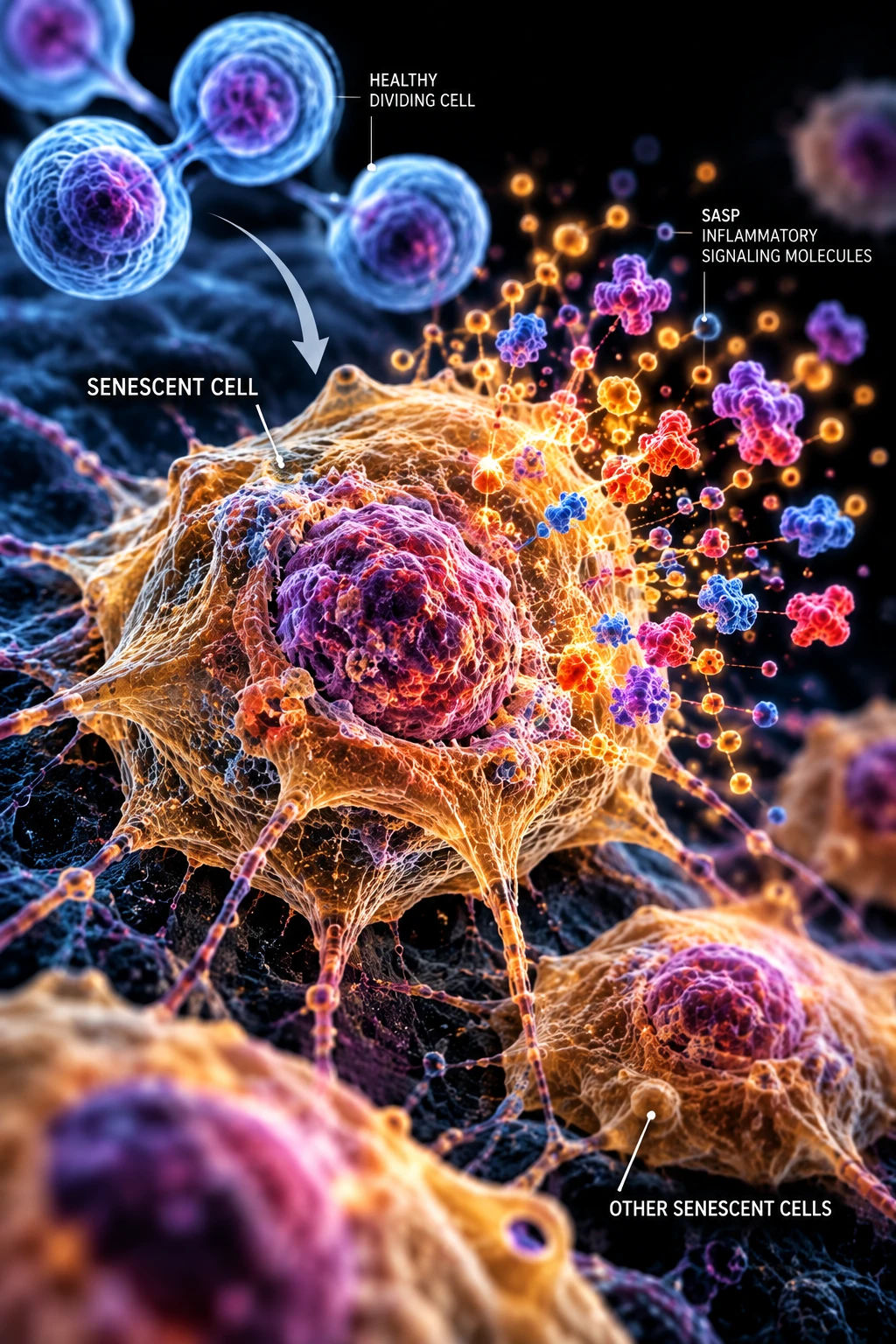
This can involve the release of:
- Inflammatory cytokines
- Chemokines
- Growth factors
- Proteases
- Other signaling molecules
Can We Remove Senescent Cells?
One of the more promising areas of longevity research involves identifying ways to selectively eliminate senescent cells or reduce their harmful effects on surrounding tissues.
Researchers have developed two broad therapeutic approaches:
Senolytics are compounds intended to selectively eliminate senescent cells by interfering with the survival mechanisms that allow these cells to persist.
Senomorphics are compounds that modify the behavior of senescent cells, particularly their inflammatory signaling, without necessarily causing cell death.
Animal studies have demonstrated that eliminating certain populations of senescent cells can improve aspects of physical function and, in some experimental models, extend lifespan.
These findings have generated considerable interest in both pharmaceutical treatments and naturally occurring compounds.
Fisetin
Fisetin is a naturally occurring flavonoid found in foods such as strawberries, apples, grapes, and onions.
Laboratory and animal studies suggest that fisetin may have senolytic activity under certain conditions.
A frequently cited 2018 study published in EBioMedicine demonstrated that fisetin reduced markers of cellular senescence in experimental models and extended lifespan in mice when administered later in life.
These findings are particularly interesting because they suggest that interventions targeting senescent cells may produce benefits even after aging-related changes have developed.
However, the concentrations used in experimental studies are not necessarily achievable through ordinary dietary intake.
Human clinical studies investigating fisetin are underway, but there is currently insufficient evidence that fisetin supplementation meaningfully eliminates senescent cells, improves healthspan, or extends lifespan in humans.
Quercetin
Quercetin is another naturally occurring flavonoid found in foods such as onions, apples, berries, and certain vegetables.
It has been investigated for antioxidant, anti-inflammatory, and potential senolytic properties.
Quercetin has received particular attention when combined with dasatinib, a prescription medication used to treat certain cancers.
This combination, commonly referred to as dasatinib plus quercetin (D+Q), has demonstrated senolytic activity in laboratory and animal studies.
Small preliminary human studies have also investigated its effects on senescence-related biomarkers.
However, these studies have generally involved limited numbers of participants and have not established long-term clinical benefits or lifespan extension.
Importantly, dasatinib is a prescription anticancer medication with potentially serious adverse effects and should not be considered a routine longevity supplement.
Quercetin alone has not been demonstrated to reliably eliminate senescent cells in humans.
Piperlongumine
Piperlongumine is a naturally occurring compound found in long pepper (Piper longum).
Preclinical research has identified potential senolytic activity, possibly involving increased oxidative stress within susceptible senescent cells.
However, research remains primarily limited to laboratory and animal models.
There is insufficient human clinical evidence to establish its effectiveness, appropriate dosing, or long-term safety for senescence-related applications.
What About Other Supplements?
Several additional compounds are being investigated for their effects on pathways associated with cellular senescence.
These include:
- Curcumin: Investigated for its effects on inflammatory signaling and pathways associated with cellular senescence.
- Resveratrol: Studied for its influence on cellular stress responses, metabolic signaling, and certain senescence-associated pathways.
- EGCG: A green tea polyphenol investigated for antioxidant, anti-inflammatory, and potential senomorphic effects.
- Spermidine: A naturally occurring polyamine studied primarily for its role in autophagy and cellular maintenance rather than established senolytic activity.
Although these compounds may influence biological pathways associated with aging, they should not automatically be classified as proven senolytics.
Reducing inflammatory markers or altering cellular signaling does not necessarily mean that senescent cells have been eliminated.
Does Removing Senescent Cells Actually Slow Aging?
The scientific rationale for senolytic therapy is compelling.
However, cellular senescence is not entirely harmful.
Senescent cells can serve important functions in wound healing, tissue remodeling, and suppression of abnormal cellular proliferation.
Consequently, eliminating senescent cells indiscriminately may not always be beneficial.
Researchers are attempting to identify which senescent cell populations contribute to disease and how they might be selectively targeted without interfering with normal physiological processes.
Although senolytic compounds represent an exciting area of longevity research, no over-the-counter supplement has been conclusively demonstrated to eliminate senescent cells in humans or extend human lifespan.
For now, fisetin, quercetin, and other proposed senolytic compounds should be viewed as investigational approaches rather than established anti-aging therapies.
9. Stem Cell Exhaustion: Declining Tissue Regeneration
Stem cells help maintain and repair tissues throughout life.
Different tissues contain specialized stem cell populations.
What Happens as We Age?
Stem cells may become less effective because of accumulated damage, altered signaling, changes in their surrounding environment, and other aging-related processes.
As a result, tissue repair and regeneration may become less efficient.
This can contribute to slower recovery, reduced regenerative capacity, and changes in tissue function.
Can Stem Cell Treatments Reverse Aging?
Stem cell research has enormous medical potential.
Certain stem cell therapies, particularly hematopoietic stem cell transplantation, are established treatments for specific diseases.
However, this does not mean that commercially marketed stem cell injections or infusions reverse aging.
Many regenerative treatments advertised for longevity lack adequate evidence of safety and effectiveness.
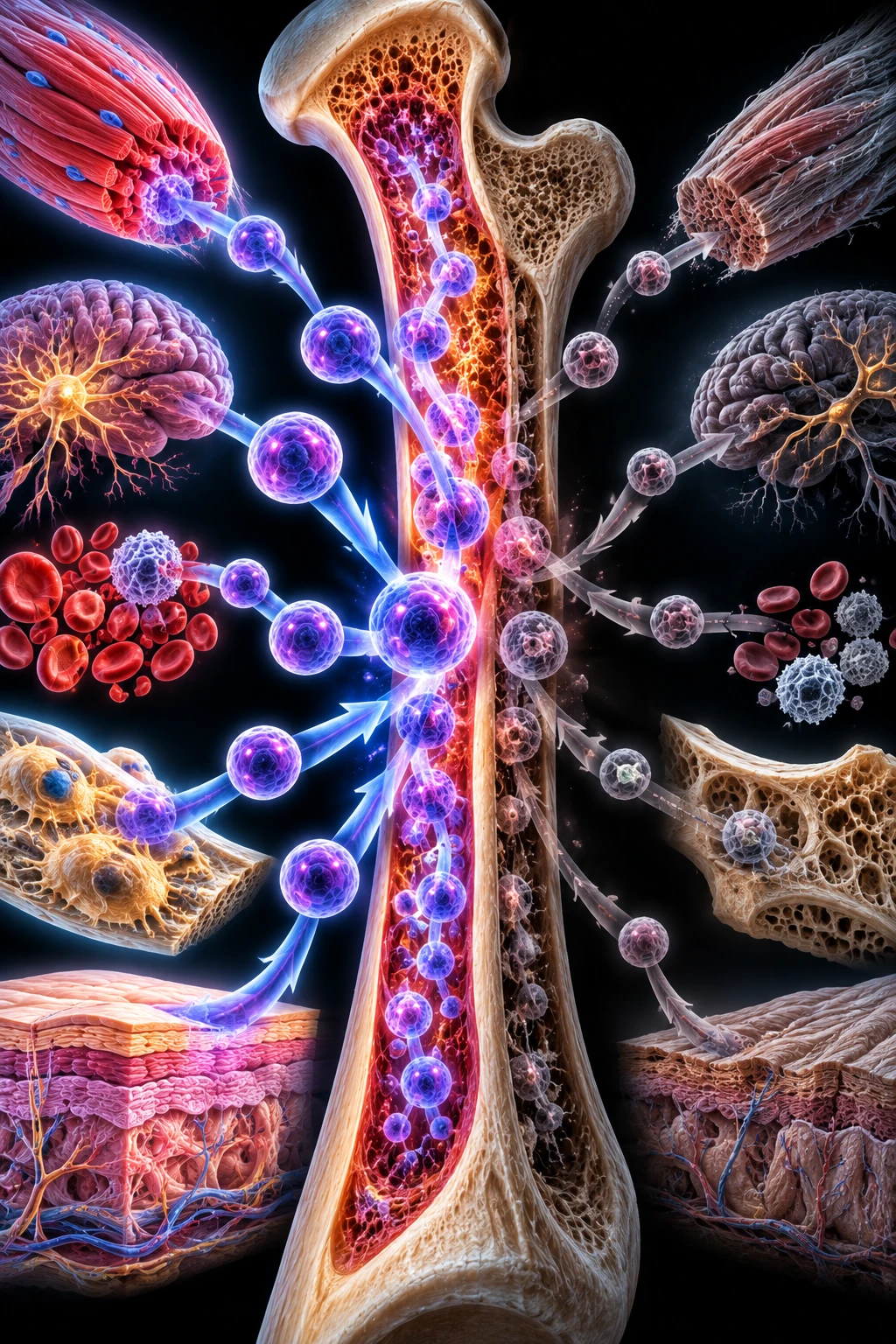
For example:
- Muscle satellite cells participate in muscle repair.
- Hematopoietic stem cells produce blood and immune cells.
- Intestinal stem cells help renew the intestinal lining.
- Skin stem cells contribute to skin maintenance and repair.
Patients should be cautious of clinics promising whole-body rejuvenation through unproven stem cell procedures.
10. Altered Intercellular Communication: When Cells Stop Communicating Effectively
Cells do not function independently.
They continuously exchange information through hormones, neurotransmitters, immune signaling molecules, growth factors, and other chemical messengers.
These communication systems help coordinate metabolism, tissue repair, immune function, and physiological balance.
What Changes With Aging?
As we age, communication between cells and tissues may become less coordinated.
Examples include:
- Altered hormonal signaling
- Changes in immune regulation
- Impaired metabolic communication
- Increased inflammatory signaling
- Changes in nervous system regulation
These changes can influence how different organ systems respond to stress and maintain normal function.
What About Hormones?
Hormonal changes are an important component of aging physiology.
Examples include menopause-related changes in estrogen and progesterone, age-associated changes in testosterone, and alterations in other endocrine pathways.
However, age-related hormonal changes are not always pathological.
Nor does restoring a hormone to a particular concentration necessarily reverse cellular aging.
Hormone therapy can provide meaningful benefits for appropriately selected patients with established clinical indications.
For example, menopausal hormone therapy can effectively treat certain menopause-related symptoms, while testosterone replacement therapy may benefit men and women with confirmed hypogonadism.
The goal of medically appropriate hormone therapy is to address specific symptoms, deficiencies, and health concerns—not to claim that hormone replacement reverses the biological aging process.
11. Chronic Inflammation: The Persistent Low-Grade Inflammatory State of Aging
Inflammation is an essential part of the immune system.
When we experience an injury or infection, inflammatory signaling helps coordinate the body’s response.
However, inflammation becomes problematic when it persists unnecessarily.
Researchers use the term inflammaging to describe the chronic, low-grade inflammatory state commonly associated with aging.
What Contributes to Inflammaging?
Potential contributors include:
- Accumulation of senescent cells
- Visceral adipose tissue
- Metabolic dysfunction
- Changes in immune regulation
- Cellular damage
- Altered gut microbiota
- Persistent inflammatory stimuli
Why Does This Matter?
Chronic inflammation is associated with numerous age-related conditions, including cardiovascular disease, metabolic disease, frailty, and certain neurodegenerative disorders.
However, inflammation is not inherently harmful.
Suppressing immune activity indiscriminately can interfere with normal defense and repair mechanisms.
The objective is not to eliminate inflammation but to maintain appropriate immune regulation.
What Can Help?
Regular exercise, weight management when appropriate, smoking cessation, adequate sleep, and dietary patterns emphasizing minimally processed foods can improve several markers and drivers of metabolic and inflammatory health.
These interventions also have clinical benefits that extend beyond changes in inflammatory biomarkers.
12. Dysbiosis: Changes in the Gut Microbiome
The human gastrointestinal tract contains a complex community of microorganisms collectively known as the gut microbiome.
These microorganisms participate in numerous biological processes, including:
- Digestion
- Production of certain metabolites
- Immune regulation
- Maintenance of intestinal barrier function
- Metabolic signaling
The composition and function of the gut microbiome can change with age.
These changes are influenced by diet, medications, disease, environmental exposures, and other factors.
What Is Dysbiosis?
Dysbiosis refers to an altered microbial community or microbial function that may be associated with impaired host health.
However, there is no single universally accepted definition of a healthy microbiome.
A microbial pattern that is beneficial in one context may not be beneficial in another.
Does the Microbiome Influence Aging?
Research suggests that interactions between the gut microbiome, immune system, and metabolism may contribute to age-related physiological changes.
Animal studies have demonstrated that manipulating the microbiome can influence certain aging-related outcomes.
Human research is also identifying associations between microbiome characteristics, frailty, inflammation, and health status.
Nevertheless, it remains uncertain which microbial changes directly cause aging-related dysfunction and which are consequences of aging, diet, medication use, or disease.
There is currently insufficient evidence to recommend a specific probiotic, microbiome test, or microbiome intervention as a proven treatment for slowing human aging.
How the Hallmarks of Aging Interact
Although the 12 hallmarks are presented individually, they are highly interconnected.
Consider the following example:
DNA damage → Cellular senescence → Inflammatory signaling → Tissue dysfunction
Accumulated DNA damage can trigger cellular senescence.
Some senescent cells release inflammatory signaling molecules.
Persistent inflammatory signaling can disrupt neighboring cells and contribute to additional tissue dysfunction.
Similarly:
Mitochondrial dysfunction → Cellular stress → Impaired protein maintenance → Additional cellular dysfunction
Changes in mitochondrial function may alter cellular energy availability and stress signaling.
These disturbances can affect protein maintenance, autophagy, and other cellular processes.
Over time, several interacting mechanisms may reinforce one another.
This helps explain why aging is not the result of one defective gene, one hormone deficiency, or one metabolic pathway.
Aging is a complex, interconnected biological process involving multiple systems that influence one another throughout life.
This is also why claims that a single supplement, peptide, or medication can reverse aging should be approached with skepticism.
Can We Actually Slow Biological Aging?
This is one of the most important questions in modern longevity medicine.
The answer depends on what we mean by slowing aging.
There is strong evidence that certain interventions reduce disease risk, preserve physical function, and improve the likelihood of remaining healthy as we get older.
However, demonstrating that an intervention improves health is not the same as proving that it slows the fundamental biological aging process.
Researchers distinguish between two important concepts.
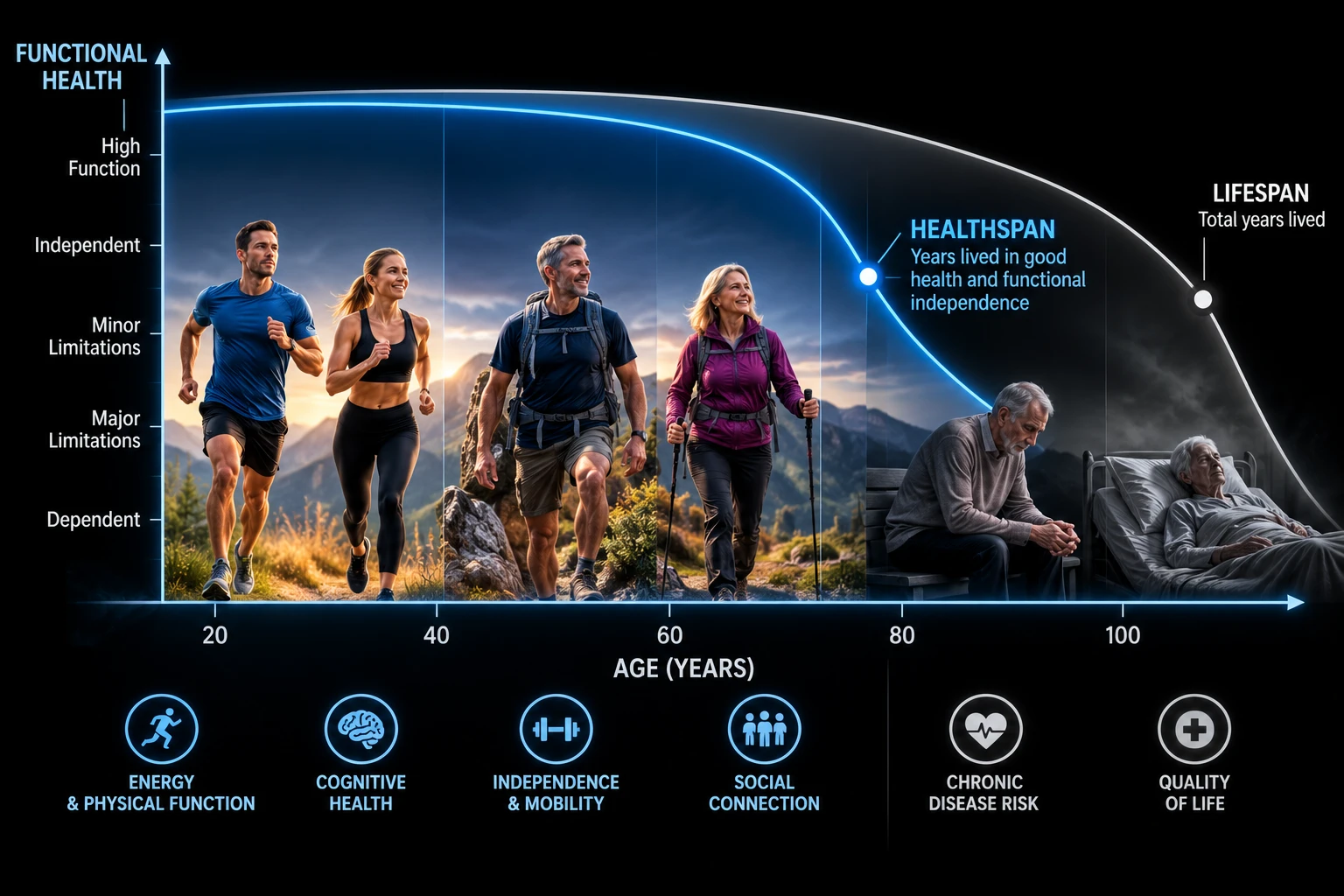
Lifespan
Lifespan refers to the length of time an individual lives.
Healthspan
Healthspan generally refers to the portion of life spent in relatively good health, without substantial disease-related disability or functional impairment.
An intervention might improve healthspan without necessarily increasing maximum lifespan.
For example, preserving muscle strength may help an older adult maintain mobility, independence, and quality of life.
That is a meaningful clinical benefit even if the intervention has not been proven to extend maximum human lifespan.
From a clinical perspective, improving healthspan is often a more immediate and measurable goal than attempting to extend lifespan.
What Does the Science Actually Support?
Longevity research includes a broad spectrum of interventions, ranging from well-established lifestyle measures to experimental pharmaceutical and regenerative approaches.
It is important to distinguish between them.
1. Exercise and Physical Activity
Exercise is among the most extensively studied interventions for preserving physical function and reducing chronic disease risk.
Different forms of exercise produce complementary benefits.
Resistance training helps preserve muscle mass, strength, and physical function.
Aerobic exercise improves cardiovascular fitness, metabolic health, and skeletal muscle mitochondrial adaptations.
Balance and mobility training can help reduce fall risk and maintain independence, particularly in older adults.
Together, these interventions address several physiological changes associated with aging.
For most adults, combining resistance training with regular aerobic activity is more beneficial than relying exclusively on one form of exercise.
2. Preserving Skeletal Muscle
Age-related loss of skeletal muscle mass and strength can contribute to reduced mobility, insulin resistance, frailty, and loss of independence.
This process is particularly important because skeletal muscle is not simply responsible for movement.
It is also a major site of glucose disposal and an important component of whole-body metabolic regulation.
Resistance training, adequate dietary protein, and appropriate energy intake are central to preserving muscle health.
For many healthy, physically active older adults, protein intakes around 1.2–1.6 grams per kilogram of body weight per day may be reasonable, depending on individual circumstances.
However, protein requirements should be individualized, particularly in patients with relevant medical conditions.
Related reading:
Preserving Muscle During Medical Weight Loss: Why Strength Matters
3. Maintaining Metabolic Health
Insulin resistance, visceral adiposity, hypertension, and dyslipidemia contribute to the development of numerous chronic diseases.
Addressing these conditions can improve long-term health outcomes.
Important strategies include:
- Regular physical activity
- Appropriate nutrition
- Weight management when indicated
- Blood pressure control
- Lipid management
- Diabetes prevention and treatment
- Smoking cessation
Medical weight-loss treatment may be appropriate for selected individuals with obesity or weight-related complications.
However, improvements in weight, glucose regulation, or metabolic biomarkers should not automatically be interpreted as proof that biological aging has been reversed.
4. Nutrition and Cellular Health
A balanced dietary pattern supports many processes involved in cellular maintenance.
Important nutritional considerations include adequate protein, essential fatty acids, vitamins, minerals, and sufficient overall energy intake.
Dietary patterns emphasizing vegetables, fruits, legumes, whole grains, nuts, and other minimally processed foods have been associated with favorable health outcomes.
Nutrition also influences metabolic pathways involved in nutrient sensing.
However, there is no single scientifically established anti-aging diet.
Likewise, no specific dietary supplement has been proven to reverse all 12 hallmarks of aging or broadly extend human lifespan.
5. Sleep and Recovery
Sleep supports numerous physiological processes, including metabolic regulation, immune function, memory consolidation, and hormonal signaling.
Chronic sleep deprivation is associated with adverse cardiometabolic and cognitive outcomes.
Sleep quality also matters.
Conditions such as obstructive sleep apnea can impair restorative sleep and contribute to cardiovascular and metabolic disease.
Identifying and treating sleep disorders may provide substantial health benefits.
6. Hormonal Health
Hormones influence muscle, bone, sexual function, metabolism, and numerous other physiological systems.
Appropriate hormone evaluation may be valuable when patients experience symptoms suggesting an endocrine disorder.
There is currently insufficient evidence that prescribing hormones to otherwise healthy individuals for the purpose of achieving youthful hormone concentrations slows biological aging or extends lifespan.
7. Experimental Longevity Therapies
Researchers continue to investigate treatments targeting specific aging-related pathways.
These include:
- Senolytic therapies
- Rapamycin and related compounds
- NAD+ precursors and metabolic interventions
- Cellular reprogramming
- Stem cell-based approaches
- Telomerase-related interventions
- Experimental peptides
Some have demonstrated promising effects in laboratory studies or animal models.
However, none should currently be considered a proven, broadly effective treatment for reversing human aging or extending human lifespan.
Several also carry meaningful safety concerns or have insufficient long-term human data.
Experimental findings should not be confused with established clinical benefits.
Why One Biomarker Cannot Define Aging
One of the challenges in longevity medicine is determining how to measure meaningful changes in biological aging.
Each provides information about particular aspects of biology.
However, no single measurement captures the full complexity of aging.
Researchers are investigating numerous potential biomarkers, including:
- DNA methylation patterns
- Telomere length
- Inflammatory proteins
- Metabolomic signatures
- Proteomic patterns
- Physiological performance
- Composite clinical measurements
For example, an intervention may improve an epigenetic clock measurement without producing measurable improvements in strength, cardiovascular health, cognitive function, or longevity.
Similarly, lowering an inflammatory marker does not necessarily demonstrate that the aging process has slowed.
A meaningful anti-aging intervention should ultimately demonstrate improvements in clinically important outcomes—not simply changes in laboratory measurements.
This distinction is essential when evaluating emerging longevity treatments.
Is Aging a Disease?
Whether aging should be classified as a disease remains a subject of scientific and philosophical debate.
Aging is a universal biological process, while diseases are generally defined by particular patterns of dysfunction or pathology.
However, aging is also the strongest major risk factor for many chronic diseases.
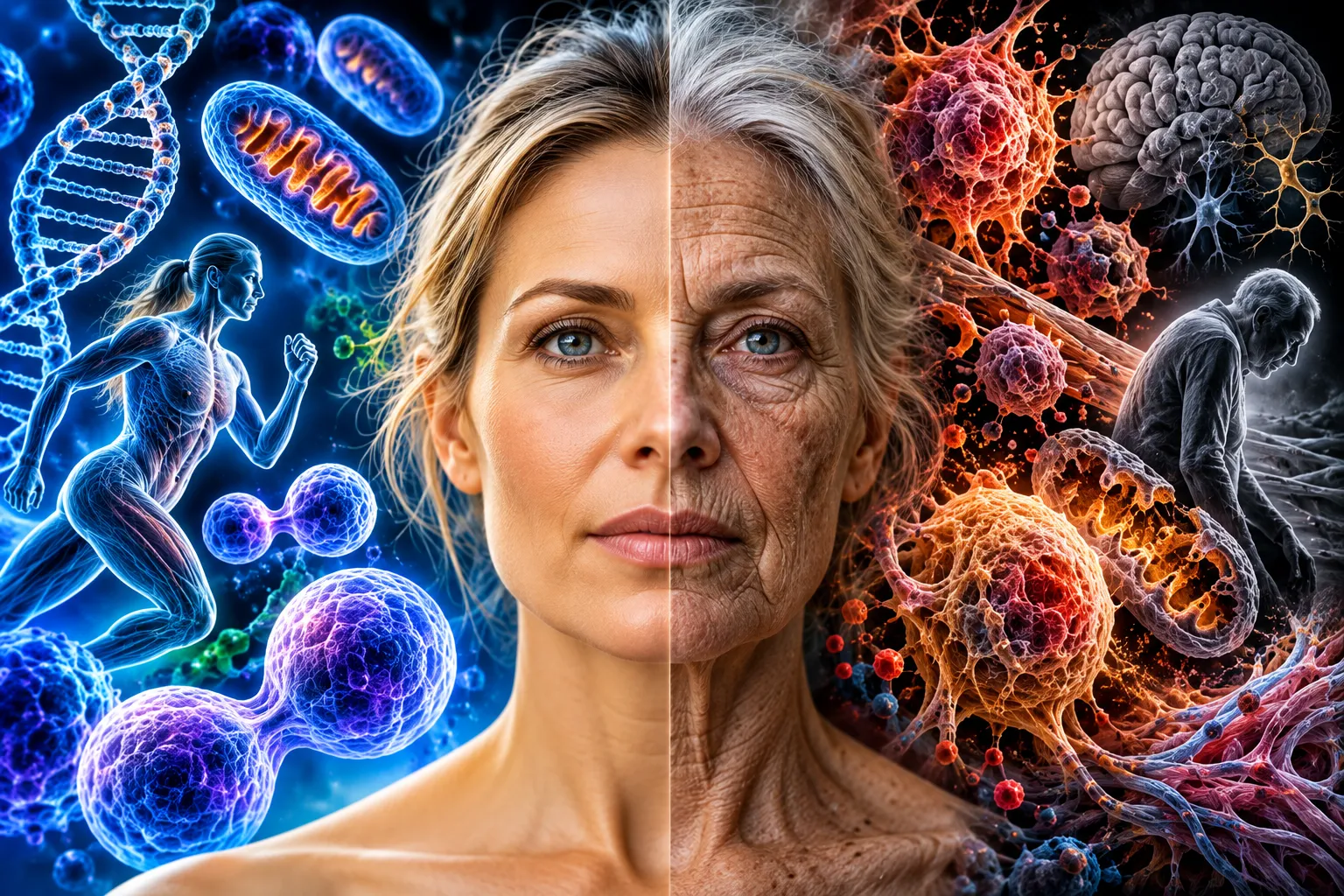
This relationship has contributed to the development of a field known as geroscience.
Geroscience investigates whether targeting fundamental biological mechanisms of aging might delay the onset or progression of multiple age-related conditions.
Rather than treating each disease independently, researchers hope to identify interventions that influence shared biological processes contributing to several diseases.
This approach is scientifically compelling.
However, it remains important to distinguish the long-term goals of geroscience from what has already been demonstrated in clinical trials.
The Future of Longevity Medicine
The next generation of longevity research will likely focus on understanding how the hallmarks interact and identifying interventions capable of producing meaningful clinical benefits.
Areas of particular interest include:
Cellular Reprogramming
Investigating whether aspects of cellular function can be restored without compromising cellular identity or increasing cancer risk.
Senescence-Targeted Therapies
Developing interventions that modify or selectively eliminate harmful senescent cells.
Mitochondrial Medicine
Investigating therapies that improve mitochondrial function, quality control, and metabolic resilience.
Epigenetic Regulation
Studying whether modifying age-associated epigenetic changes can improve tissue function and health outcomes.
Precision Medicine
Using clinical, genetic, metabolic, and other biological information to identify individuals at increased risk of age-related disease.
These approaches may eventually change how clinicians prevent and treat age-related conditions.
But meaningful progress requires rigorous human studies demonstrating both safety and clinically important benefits.
What Does This Mean for Patients?
Understanding the hallmarks of aging provides a more sophisticated way to think about long-term health.
Rather than viewing aging as a single process that can be corrected with one medication or supplement, we can recognize it as a complex interaction between cellular damage, repair mechanisms, metabolism, inflammation, and tissue function.
These measures cannot guarantee a longer life.
However, many have demonstrated benefits for preserving function, reducing disease risk, and improving quality of life.
The objective should not simply be to live longer.
It should be to preserve the physical, metabolic, and cognitive capabilities that allow us to remain healthy and independent as we age.
From a practical clinical perspective, several priorities remain especially important:
- Preserve skeletal muscle and physical strength.
- Maintain cardiovascular fitness.
- Identify and manage metabolic dysfunction.
- Address clinically significant hormonal disorders.
- Support adequate nutrition and sleep.
- Reduce avoidable risk factors for chronic disease.
- Evaluate emerging longevity treatments based on human clinical evidence rather than marketing claims.
Related Anti-Aging Resources
Can You Really Measure Your Biological Age?
Telomeres & Aging: Do Longer Telomeres Mean You’re Younger?
Methylation Explained: Why This Cellular Process Matters for Your Health
What Does "Anti-Aging" Actually Mean? A Physician's Look at Longevity, Biological Age & Healthspan
Preserving Muscle During Medical Weight Loss: Why the Scale Is Only Part of the Story
Frequently Asked Questions
What are the 12 hallmarks of aging?
The 12 hallmarks identified in the updated 2023 framework are genomic instability, telomere attrition, epigenetic alterations, loss of proteostasis, disabled macroautophagy, deregulated nutrient sensing, mitochondrial dysfunction, cellular senescence, stem cell exhaustion, altered intercellular communication, chronic inflammation, and dysbiosis.
These mechanisms describe interconnected biological processes associated with aging.
Can the hallmarks of aging be reversed?
Certain age-associated cellular changes can be modified under experimental conditions, particularly in laboratory and animal studies.
However, there is currently no established medical intervention that safely and comprehensively reverses all 12 hallmarks of aging in humans.
What is the difference between biological age and chronological age?
Chronological age measures the number of years someone has lived.
Biological age attempts to estimate physiological or molecular characteristics associated with aging.
Biological age measurements remain imperfect and should not be interpreted as definitive predictions of lifespan.
Does exercise slow biological aging?
Exercise improves numerous physiological systems affected by aging, including cardiovascular fitness, muscle function, insulin sensitivity, and mitochondrial adaptations.
Some studies also investigate exercise-related changes in biological aging biomarkers.
However, improving physical health and changing an aging biomarker are not necessarily equivalent to demonstrating that the fundamental aging process has slowed.
Does growth hormone improve DNA repair?
Growth hormone and IGF-1 influence cellular growth and DNA damage responses.
IGF-1 can enhance certain DNA repair pathways in experimental settings, while GH has been shown to impair specific DNA repair mechanisms in some cellular models.
These findings do not establish that GH administration improves genomic stability or slows aging in humans.
Is low IGF-1 associated with longer life?
Reduced GH/IGF-1 signaling has been associated with increased lifespan in several animal models.
However, human findings are more complicated.
Low IGF-1 concentrations are not universally beneficial, and both low and high concentrations may be associated with adverse health outcomes depending on the population and clinical circumstances.
Can growth hormone replacement reverse aging?
Growth hormone replacement may improve body composition, bone health, and quality of life in appropriately selected adults with confirmed GH deficiency.
However, it has not been demonstrated to reverse biological aging or extend lifespan.
Growth hormone should not be prescribed solely for anti-aging purposes in otherwise healthy adults.
Do NAD+ supplements reverse aging?
NAD+ participates in cellular metabolism and other important biological processes.
Although certain supplements can influence NAD+ metabolism, current human evidence does not establish that NAD+ supplementation reverses aging or extends lifespan.
Can peptides help slow aging?
Some peptides are being investigated for effects on metabolism, tissue repair, cellular signaling, and other biological processes.
However, many peptides promoted for longevity remain experimental, lack adequate human safety data, or are not FDA-approved for the advertised indications.
There is currently insufficient evidence to conclude that peptide therapy broadly reverses biological aging or extends human lifespan.
Can supplements remove senescent cells?
Compounds such as fisetin and quercetin have demonstrated senolytic activity in certain laboratory and animal studies.
However, no over-the-counter supplement has been conclusively demonstrated to eliminate senescent cells in humans or extend human lifespan.
Is inflammation responsible for aging?
Chronic inflammation is one of the recognized hallmarks of aging, but it is not the sole cause.
Inflammation interacts with cellular senescence, metabolic dysfunction, immune changes, and other aging-related mechanisms.
Is it possible to live longer by targeting the hallmarks of aging?
Animal studies suggest that manipulating certain aging-related pathways can influence lifespan.
However, translating these findings into reliable human lifespan extension remains an unresolved scientific challenge.
The strongest current clinical evidence supports reducing established disease risks and preserving physical and metabolic health.
The R2 Medical Clinic Perspective
At R2 Medical Clinic, we believe that understanding the science of aging is an important part of making informed decisions about long-term health.
The hallmarks of aging provide a valuable framework for understanding how cellular damage, metabolic dysfunction, inflammation, hormonal changes, and declining regenerative capacity may contribute to age-related physiological changes.
However, understanding a biological pathway does not automatically mean we have a treatment capable of safely modifying it.
Our approach emphasizes individualized medical evaluation, evidence-informed treatment, and realistic expectations.
Depending on a patient’s clinical circumstances, this may involve evaluating hormonal health, metabolic function, body composition, nutritional status, and other factors relevant to long-term wellness.
When medical treatment is appropriate, the objective is to address identifiable health concerns while carefully considering potential benefits, limitations, and risks.
Emerging longevity research is exciting, but it should complement—not replace—established preventive medicine.
The goal is not to promise that aging can be stopped. It is to help patients make informed decisions that support their health, function, and quality of life as they grow older.
References
- López-Otín C, Blasco MA, Partridge L, Serrano M, Kroemer G. The Hallmarks of Aging. Cell. 2013;153(6):1194–1217. doi:10.1016/j.cell.2013.05.039.
- López-Otín C, Blasco MA, Partridge L, Serrano M, Kroemer G. Hallmarks of Aging: An Expanding Universe. Cell. 2023;186(2):243–278. doi:10.1016/j.cell.2022.11.001.
- Kennedy BK, Berger SL, Brunet A, et al. Geroscience: Linking Aging to Chronic Disease. Cell. 2014;159(4):709–713. doi:10.1016/j.cell.2014.10.039.
- Horvath S. DNA Methylation Age of Human Tissues and Cell Types. Genome Biology. 2013;14:R115. doi:10.1186/gb-2013-14-10-r115.
- Lu AT, Quach A, Wilson JG, et al. DNA Methylation GrimAge Strongly Predicts Lifespan and Healthspan. Aging. 2019;11(2):303–327. doi:10.18632/aging.101684.
- Levine ME, Lu AT, Quach A, et al. An Epigenetic Biomarker of Aging for Lifespan and Healthspan. Aging. 2018;10(4):573–591. doi:10.18632/aging.101414.
- Campisi J. Aging, Cellular Senescence, and Cancer. Annual Review of Physiology. 2013;75:685–705. doi:10.1146/annurev-physiol-030212-183653.
- Franceschi C, Garagnani P, Parini P, Giuliani C, Santoro A. Inflammaging: A New Immune–Metabolic Viewpoint for Age-Related Diseases. Nature Reviews Endocrinology. 2018;14:576–590. doi:10.1038/s41574-018-0059-4.
- Sun N, Youle RJ, Finkel T. The Mitochondrial Basis of Aging. Molecular Cell. 2016;61(5):654–666. doi:10.1016/j.molcel.2016.01.028.
- Kaushik S, Cuervo AM. Proteostasis and Aging. Nature Medicine. 2015;21:1406–1415. doi:10.1038/nm.4001.
- de Cabo R, Mattson MP. Effects of Intermittent Fasting on Health, Aging, and Disease. New England Journal of Medicine. 2019;381:2541–2551. doi:10.1056/NEJMra1905136.
- Ferrucci L, Gonzalez-Freire M, Fabbri E, et al. Measuring Biological Aging in Humans: A Quest. Aging Cell. 2020;19(2):e13080. doi:10.1111/acel.13080.
- Chesnokova V, Melmed S. Peptide Hormone Regulation of DNA Damage Responses. Endocrine Reviews. 2020;41(4):bnaa009. doi:10.1210/endrev/bnaa009.
- Chesnokova V, et al. Growth Hormone Induces Colon DNA Damage Independent of IGF-1. Endocrinology. 2019.
- Guevara-Aguirre J, et al. Growth Hormone Receptor Deficiency Is Associated With a Major Reduction in Pro-aging Signaling, Cancer, and Diabetes in Humans. Science Translational Medicine. 2011;3(70):70ra13.
- Liu H, Bravata DM, Olkin I, et al. Systematic Review: The Safety and Efficacy of Growth Hormone in the Healthy Elderly. Annals of Internal Medicine. 2007;146(2):104–115. doi:10.7326/0003-4819-146-2-200701160-00005.
- Molitch ME, Clemmons DR, Malozowski S, Merriam GR, Vance ML. Evaluation and Treatment of Adult Growth Hormone Deficiency: An Endocrine Society Clinical Practice Guideline. Journal of Clinical Endocrinology & Metabolism. 2011;96(6):1587–1609. doi:10.1210/jc.2011-0179.
- EGRIFTA WR (tesamorelin) Prescribing Information. Theratechnologies Inc. FDA-approved labeling.
- Yousefzadeh MJ, et al. Fisetin Is a Senotherapeutic That Extends Health and Lifespan. EBioMedicine. 2018;36:18–28. doi:10.1016/j.ebiom.2018.09.015.
- Zhu Y, et al. The Achilles’ Heel of Senescent Cells: From Transcriptome to Senolytic Drugs. Aging Cell. 2015;14(4):644–658. doi:10.1111/acel.12344.
- Hickson LJ, et al. Senolytics Decrease Senescent Cells in Humans: Preliminary Report From a Clinical Trial of Dasatinib Plus Quercetin in Individuals With Diabetic Kidney Disease. EBioMedicine. 2019;47:446–456. doi:10.1016/j.ebiom.2019.08.069.
- Justice JN, et al. Senolytics in Idiopathic Pulmonary Fibrosis: Results From a First-in-Human, Open-Label, Pilot Study. EBioMedicine. 2019;40:554–563. doi:10.1016/j.ebiom.2018.12.052.
R2 Medical Clinic | Denver, Colorado
Individualized hormone health, metabolic wellness, medical weight management, and evidence-informed approaches to healthy aging.
Medical Disclaimer: This article is intended for educational purposes and does not constitute individualized medical advice. Aging-related biomarkers and experimental longevity treatments remain areas of active investigation. Medical decisions should be based on individual health history, clinical evaluation, established indications, and an appropriate discussion of benefits and risks.
Reviewed 10/15/2026